
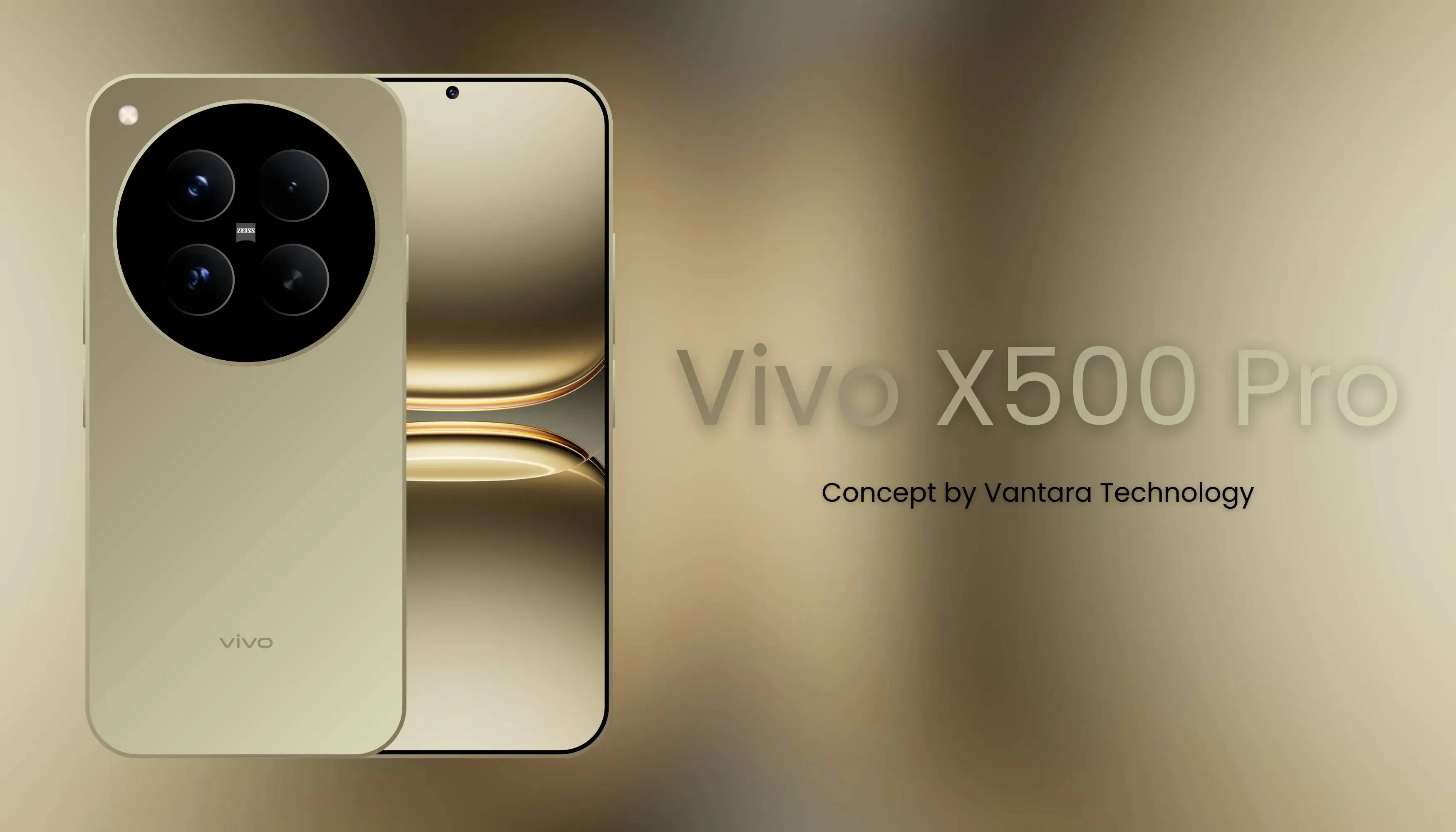
As we look toward the next generation of mobile photography, the industry is closely monitoring potential hardware shifts in upcoming flagship devices. Recent reports originating from supply chain observers suggest that the upcoming vivo X500 Pro may depart from the high-resolution telephoto sensor architecture seen in its predecessor. Industry analysts are currently tracking these early engineering details, which point to a strategic recalibration of the device’s optical capabilities.
The core of the discussion centers on whether the manufacturer will pivot away from the 200MP 1/1.4-inch periscope telephoto setup. Instead, current testing appears to prioritize a 64MP 1/2-inch 3X periscope module. For consumers and photography enthusiasts, this shift—should it reach the final production model—would mark a significant change in how vivo approaches zoom photography, prioritizing sensor efficiency and optical design over sheer megapixel counts.
Understanding the Shift in Mobile Optics
The smartphone industry has spent the last several years engaged in a “megapixel race,” where manufacturers often highlight high-resolution sensors as a primary selling point for consumer hardware. However, mobile photography experts frequently note that sensor size, pixel pitch, and lens construction are equally, if not more, critical to image quality, particularly in low-light environments. According to industry standards for digital photography and image sensor performance, the physical size of the sensor plays a vital role in light gathering, which directly impacts dynamic range and noise reduction.
If vivo opts for a 64MP 1/2-inch sensor, it suggests a move toward a more balanced optical profile. While 200MP sensors offer extreme detail in daylight, they require aggressive pixel binning to perform well in dim conditions. A 64MP sensor, depending on the specific architecture, can often provide a more stable foundation for 3X optical zoom, potentially offering better consistency across varying lighting scenarios. This approach reflects a broader trend among major smartphone manufacturers to refine computational photography pipelines alongside hardware adjustments.
What This Means for Future Flagships
The vivo X series has long been positioned as a leader in mobile imaging, often featuring collaborations with optics firms to push the boundaries of what is possible in a pocketable form factor. Any change to the telephoto array is not merely a component swap; it is a fundamental change to the device’s computational imaging architecture. When a manufacturer adjusts its periscope lens specifications, it necessitates a complete redesign of the internal housing to accommodate the focal length and optical stabilization requirements of the new module.
For the average user, the takeaway is that specs on a sheet do not always tell the full story of a camera’s performance. The transition from a 200MP sensor to a 64MP sensor might seem like a “downgrade” to those focused solely on numbers, but in practice, it may result in faster shutter speeds, improved focus tracking, and more natural color reproduction. As we wait for further details, it is crucial to remember that these engineering tests are part of the iterative process that companies undergo before finalizing a product for mass market release.
Key Considerations for Smartphone Enthusiasts
- Sensor Size vs. Pixel Count: Larger sensors generally perform better in low light, regardless of the megapixel density.
- Optical Zoom Performance: The transition to a 3X periscope suggests a focus on portrait-length focal ranges, which are highly valued in mobile photography.
- Engineering Iterations: Early reports of hardware testing do not always correlate with final retail specifications.
As of May 2026, vivo has not released official specifications or a launch date for the X500 Pro. The company typically maintains a rigorous testing schedule before announcing new hardware to the global market. We will continue to monitor official channels for any confirmed announcements regarding the device’s camera specifications or release timeline. In the meantime, we invite our readers to share their thoughts on the balance between high-resolution sensors and specialized optical hardware in the comments section below.
Related reading