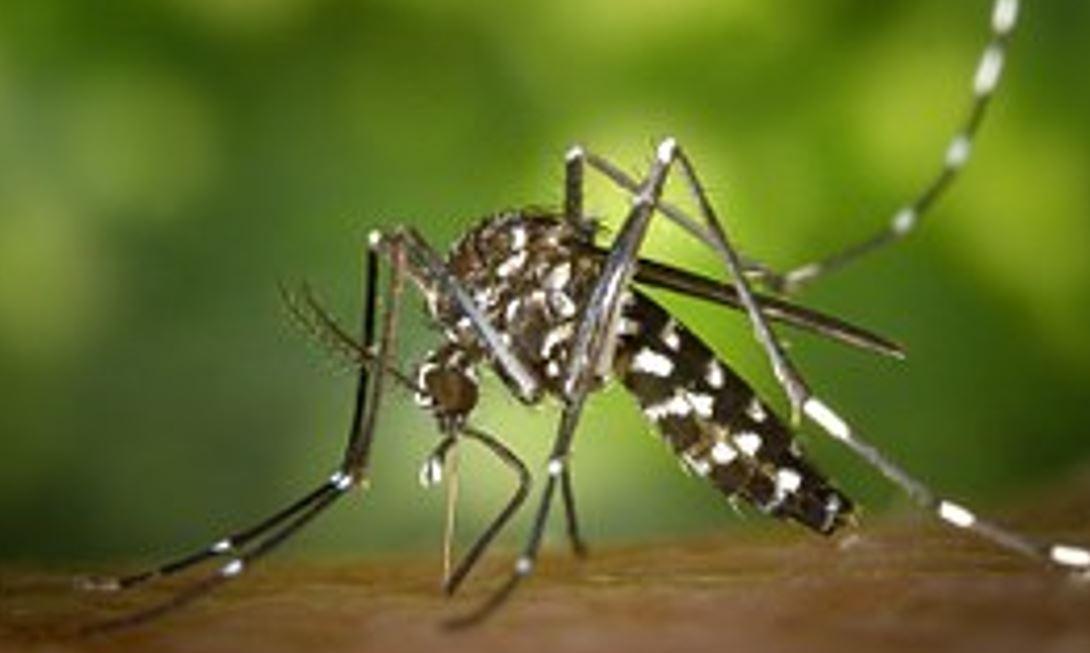
Public health authorities in Scandiano, Italy, have initiated targeted mosquito control measures following the identification of two suspected cases of Dengue fever in the area. As the warmer months arrive in the Emilia-Romagna region, local health officials are moving quickly to manage the risk of transmission, emphasizing the importance of vector control in preventing the spread of mosquito-borne illnesses.
Dengue fever, a viral infection primarily transmitted to humans through the bite of infected Aedes albopictus (Asian tiger mosquito) or Aedes aegypti mosquitoes, is an increasing concern in Southern Europe. While the majority of cases in Italy are imported by travelers returning from endemic regions, the presence of the Asian tiger mosquito—which is well-established in many parts of Italy—necessitates rigorous surveillance to prevent local transmission cycles. According to the European Centre for Disease Prevention and Control (ECDC), monitoring these environmental factors is a critical component of public health strategy as summer temperatures facilitate the activity of vector populations.
Understanding the Response to Suspected Dengue Cases
When suspected cases of Dengue are reported, Italian local health authorities (Azienda Unità Sanitaria Locale, or AUSL) generally follow established protocols designed to curb the population of potential vectors. These measures often include targeted disinfestation, or “disinfestazione,” which involves applying insecticides in specific areas frequented by the individuals who have fallen ill. This is done to interrupt the potential transmission cycle if the virus is present in the local mosquito population.

The Emilia-Romagna Regional Health Authority maintains a comprehensive Arbovirosis Plan to manage risks associated with viruses like Dengue, Zika, and Chikungunya. These strategies emphasize a multi-faceted approach: environmental management, public awareness, and rapid response to alerts. Residents in affected municipalities are typically advised to take personal protective measures, such as using insect repellent, wearing long-sleeved clothing during peak mosquito activity, and eliminating standing water around their homes where mosquitoes can breed.
Public Health Guidance and Prevention
For the general public, understanding the symptoms of Dengue is essential. While many infections are asymptomatic or result in mild illness, some individuals may experience high fever, severe headaches, pain behind the eyes, joint and muscle pain, and rashes. In rare instances, the disease can progress to severe Dengue, which requires immediate medical intervention. The World Health Organization (WHO) advises that early detection and access to proper medical care are the most effective ways to manage the health outcomes of the virus.
In addition to official disinfestation efforts, individual actions play a significant role in community health:
- Eliminate Breeding Sites: Regularly empty containers, flower pots, and gutters where water collects, as these are primary breeding grounds for the Aedes mosquito.
- Use Physical Barriers: Install screens on windows and doors to keep mosquitoes out of living spaces.
- Personal Protection: Apply insect repellents containing DEET, Icaridin, or IR3535, as recommended by health guidelines.
- Stay Informed: Follow updates from local municipal offices regarding scheduled disinfestation rounds to ensure maximum effectiveness.
The Role of Surveillance in Italy
Italy’s approach to monitoring mosquito-borne diseases is supported by national and regional surveillance systems. The Istituto Superiore di Sanità (ISS), the national public health institute, coordinates efforts to track the spread of invasive mosquito species and the incidence of arboviral diseases. This integrated surveillance allows for timely public health decisions, such as the measures currently being implemented in Scandiano, ensuring that resources are directed where they are most needed to protect the population.

As the situation develops, residents are encouraged to rely on official communications from the Scandiano municipal government and the local health district for specific instructions and updates. These authorities are the primary source for information regarding the timeline of disinfestation activities and specific zones under observation. By adhering to the guidance provided by health professionals, the community can effectively reduce the risk of mosquito-borne transmission during the summer season.
We will continue to provide updates as more information is released by regional health officials. If you have questions regarding health safety or local protocols, please consult the official portal of your local health authority or reach out to your primary care physician for personalized guidance. We invite our readers to share this information to help keep the local community informed and safe.
Worth a look