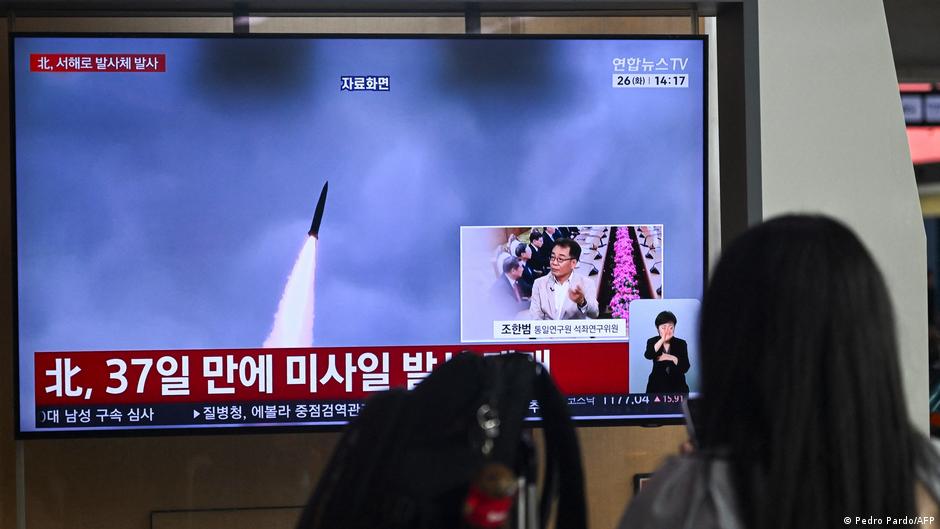
North Korea has recently conducted a series of weapons tests involving a mix of tactical ballistic missiles, artillery, and precision cruise missiles. These maneuvers, which state media reports indicate were intended to evaluate the integration of automated systems into their conventional arsenal, represent the latest in a long-standing effort by Pyongyang to modernize its military capabilities.
The activity highlights an ongoing strategic shift within the region, as North Korea seeks to align its tactical weapons systems with the demands of contemporary, high-technology warfare. According to official reports from the Korean Central News Agency (KCNA), the tests were designed to ensure that these weapons and their associated launch platforms are prepared for operational deployment under modern combat conditions.
Strategic Modernization and Conventional Arsenal Upgrades
While international observers often focus on North Korea’s long-range ballistic missile development and nuclear programs, these recent tests underscore a concurrent, methodical effort to refine the country’s conventional tactical arsenal. The focus on precision cruise missiles and automated artillery systems suggests a shift toward more responsive and accurate tactical strikes. By incorporating advanced guidance systems, Pyongyang aims to increase the lethality and reliability of its short-range weapons, which are primarily intended for regional deterrence and potential use near the inter-Korean border.
The development of these systems reflects a broader trend in defense strategy, where the integration of artificial intelligence and automated targeting is becoming a priority for state militaries worldwide. For North Korea, the objective appears to be the creation of a layered defense and offense capability that can operate effectively in environments where conventional military superiority might otherwise be challenged. The use of “precision” technology in these cruise missiles marks a significant technical evolution from the country’s older, less accurate artillery systems.
Regional Security Implications
The timing of these tests has prompted renewed scrutiny from neighboring nations and international security analysts. The deployment of upgraded cruise missiles and rocket systems near the border with South Korea is a central component of the country’s current military posture. These actions are viewed by many in the international community as a deliberate signal of intent, emphasizing Pyongyang’s capacity to project power and maintain a constant, credible threat to regional stability.
The United Nations Security Council maintains a series of resolutions regarding North Korea’s ballistic missile activities, and these tests are regularly evaluated against those international frameworks. The ongoing nature of these developments continues to influence the defense policies of South Korea and its allies, who remain in a state of high readiness to monitor and respond to shifts in the regional balance of power.
Key Focus Areas for Regional Stability
- Tactical Integration: The shift from mass-barrage artillery to precision-guided cruise missiles changes the calculus for border security.
- Automated Launch Systems: The reduction in human intervention time for missile launches is a primary concern for regional defense intelligence agencies.
- Arsenal Modernization: The steady, incremental upgrades to conventional weapons signify a long-term commitment to military self-sufficiency.
Looking Ahead: Monitoring Developments
As the situation continues to evolve, the international community remains focused on official statements from Pyongyang and verified intelligence from regional defense ministries. The next significant checkpoint for observers will be the release of further technical assessments by intelligence agencies in the United States and South Korea, which frequently provide detailed analysis of the specific capabilities demonstrated during these launch windows. Official updates are typically disseminated through the U.S. Department of Defense and the South Korean Ministry of National Defense.

The modernization of the North Korean military remains a complex, high-stakes issue that requires careful monitoring. As we continue to track these developments, we encourage our readers to stay informed through official government briefings and authoritative, verified reporting. We welcome your thoughts on the shifting security landscape in East Asia; please feel free to share your insights in the comments section below.
Worth a look