
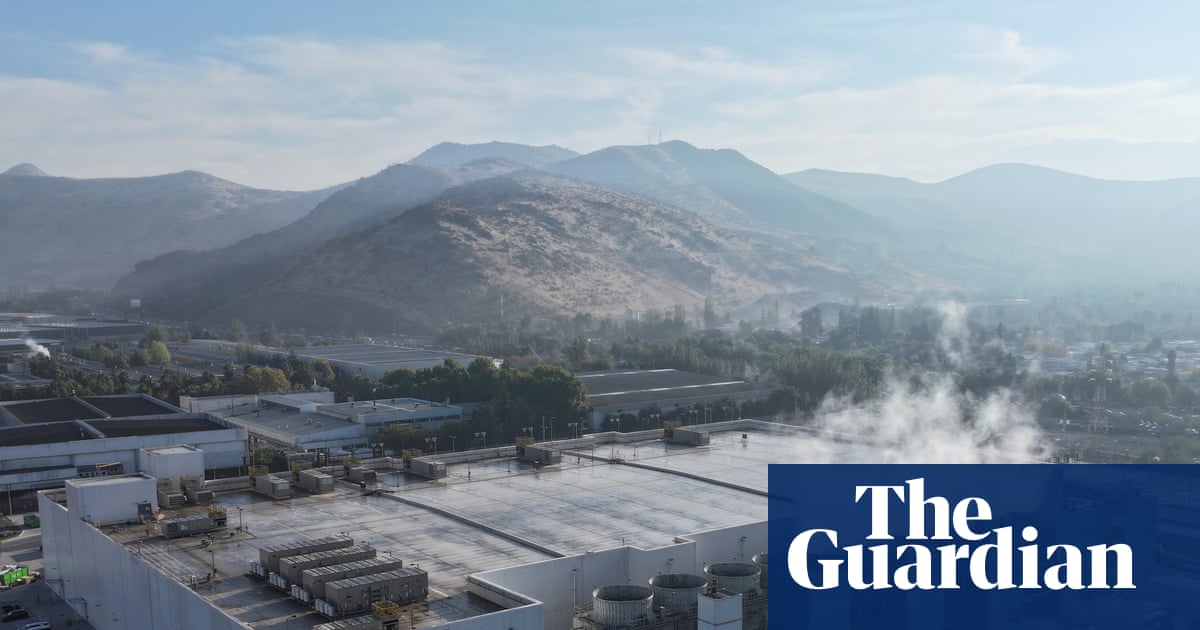
On the northern outskirts of Santiago, the Andes mountains provide a striking backdrop to what was once a thriving wetland. Today, that landscape has shifted into a expanse of dry, yellowed grass. For Rodrigo Vallejos, a law student who has spent years monitoring the Quilicura wetland, the transformation is both personal and professional. As he observes the site, which was historically recognized as one of the largest swamps in the region, the reality of the environmental degradation is stark: “What you see here is a wetland without water.”
This drying of local ecosystems has placed the data center boom in Chile at the center of a growing national debate. As the nation positions itself as a regional technology hub, the intersection of rapid digital infrastructure expansion and an intensifying, years-long climate crisis has sparked significant pushback from local communities. The tension lies in the high environmental cost of modern connectivity: the massive quantities of water required to cool the servers that power the digital world.
The Environmental Cost of Digital Infrastructure
Data centers are essential to the modern digital economy, but they are also resource-intensive. According to research on the environmental impact of data centers, these facilities often rely on water-intensive cooling systems, which can place significant pressure on local water tables in regions already facing water scarcity. In Chile, where a long-term drought has affected water availability across the country, the expansion of these facilities has prompted activists like those in the group Resistencia Socioambiental de Quilicura to investigate the link between industrial development and the depletion of local wetlands.

The Quilicura wetland, which spans approximately 468.4 hectares, is a partially protected area that has become a flashpoint for this conflict. Vallejos and other local advocates argue that the concentration of these facilities, which they describe as the largest such cluster in Latin America, places an unsustainable demand on the local water supply. For many residents, the issue is not just about the technology itself, but about the prioritization of industrial cooling needs over the fundamental human right to water, particularly as the region navigates the challenges of climate change.
Regulatory Responses and Public Scrutiny
The Chilean government has acknowledged the need to balance economic growth with environmental responsibility. In recent public statements, officials have indicated that the country is working toward a national data center plan intended to regulate the industry and ensure that new investments align with sustainability goals. This regulatory framework aims to address concerns regarding the energy and water footprints of these facilities, providing a more structured approach to the approval process for new construction projects.
Despite these assurances, skepticism remains high among community groups. The concerns are not limited to water; they also encompass energy consumption and the long-term impact on urban planning. Activists are increasingly pushing for greater transparency, demanding that companies disclose detailed data regarding their resource usage. They argue that without rigorous oversight and mandatory environmental compensation, the rapid development of the “digital cloud” could come at the expense of the very ecosystems that support local life.
What Happens Next?
The path forward remains complex. As the government continues to develop its regulatory strategy, the focus will likely shift to how these new policies are implemented on the ground. Key upcoming checkpoints include:
- Ongoing environmental impact assessments for pending data center applications in the Santiago metropolitan area.
- Scheduled discussions between government representatives and local environmental stakeholders regarding the oversight of existing facilities.
- The formal introduction of updated water-usage standards for industrial cooling in drought-stricken regions.
For those living near the Quilicura wetland and other affected sites, the goal is clear: they are calling for a model of development that respects the limits of the environment. As Chile navigates its role as a technological leader in Latin America, the outcome of this struggle between digital progress and ecological preservation will likely serve as a significant case study for other nations facing similar challenges. We encourage our readers to share their thoughts on this evolving story in the comments section below as we continue to track the developments in this critical intersection of tech and the environment.