
As the international football community turns its gaze toward the quadrennial spectacle of the FIFA World Cup, the focus often narrows to the high-stakes drama of the opening match. For host nations and their opponents, this inaugural fixture represents more than just a game; it is a cultural milestone and a test of national resolve. Reflecting on the historical context of the 2010 FIFA World Cup, where South Africa faced Mexico in a charged opening encounter, we see how the pressure of a home tournament shapes squad selection and tactical preparation.
The strategy behind the final roster selection for a World Cup opening match requires a delicate balance between experience and youthful vigor. Coaches must weigh the psychological burden of playing before a global audience against the technical requirements of facing a well-drilled opponent. As reported by the official FIFA archives regarding the 2010 tournament, the squad composition for South Africa’s Bafana Bafana was a subject of intense national debate, emphasizing the weight carried by those chosen to represent the host country on the global stage.
The Evolution of Tactical Preparation in Tournament Openers
Analyzing the squad dynamics of modern international football reveals a shift toward deeper, more versatile rosters. While the 2010 tournament featured a 23-player limit, contemporary regulations have evolved to accommodate larger squads to manage player fatigue and tactical flexibility. According to official FIFA regulatory updates, the expansion to 26-player rosters provides managers with a broader array of options to address injuries or specific tactical challenges during the group stage. This change has significantly altered how national teams approach the selection process, allowing for specialized roles that were previously considered luxuries.
The transition from the 2010 era to the present reflects a more data-driven approach to player scouting. Former players and analysts often note that current national teams benefit from advanced performance metrics that were not as widely integrated into coaching staffs fifteen years ago. This evolution in technical support systems ensures that the final list of 26 players is not merely a collection of the best individual talents, but a cohesive unit designed to function under the specific conditions of a tournament opener.
Psychological Pressure and the Role of the Host
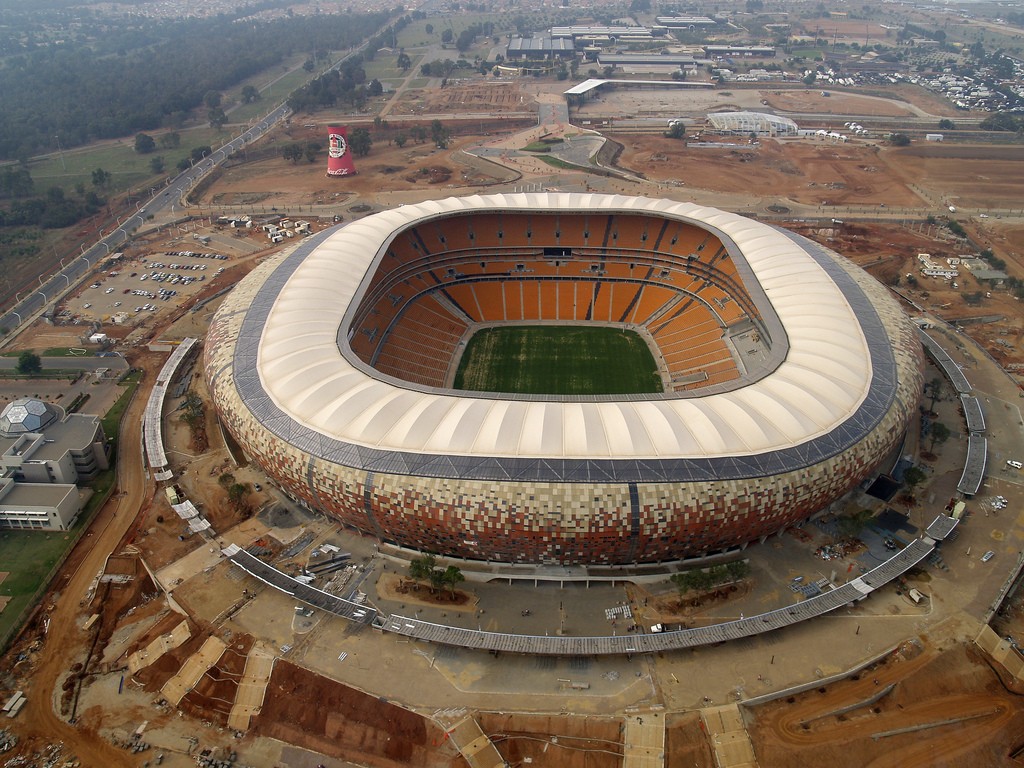
The opening game of a FIFA World Cup carries a unique atmospheric weight. For the host nation, the expectation to perform often creates a high-pressure environment that can either galvanize or overwhelm the players. Historical data from the 2010 opening match report highlights the intensity of the atmosphere at Soccer City in Johannesburg, where the pressure of the occasion was palpable from the opening whistle. Managing these expectations is a core component of a modern manager’s responsibilities, often dictating the inclusion of veteran leaders who can maintain composure under intense scrutiny.
Beyond the technical training, team managers now prioritize psychological resilience. The ability to handle the “home advantage” narrative is critical. Analysts suggest that the most successful teams in recent history are those that manage to isolate themselves from the external noise of the media and public expectation, focusing instead on the rigid execution of their game plan. This internal focus is often cited as the defining difference between teams that thrive in the opening fixture and those that succumb to the pressure.
Strategic Considerations for the Final Roster
When finalizing a squad for a major tournament, the selection committee must account for various contingencies. The 26-player limit, while generous, requires careful management of positions. A common strategy involves selecting a core of versatile players who can operate in multiple roles, thereby maximizing the tactical range of the team. This represents particularly key for the opening match, where a manager may need to adjust the formation based on the opponent’s starting lineup.
the physical condition of the players heading into the tournament is a paramount concern. With the dense scheduling of modern club football, national teams often face challenges regarding player fatigue. The integration of recovery protocols and injury prevention strategies has become as important as the training sessions themselves. As documented by the FIFA Technical Study Group, the physical preparation of a squad is a primary indicator of its potential success in the tournament’s latter stages, though it begins with the foundation laid for the opening match.
Looking Ahead: The Next Phase of Tournament Football
As we look toward future FIFA World Cup cycles, the importance of the initial squad announcement remains a critical checkpoint for fans and stakeholders alike. It marks the formal transition from the qualification phase to the tournament itself. For supporters, the announcement of the 26-player list is the moment when the reality of the competition begins to set in, sparking debates and discussions that will define the narrative of the tournament.

The next major milestone for national teams involves the final submission of administrative documentation to FIFA and the commencement of base camp training. These periods are essential for team bonding and the final refinement of tactical systems. As we continue to monitor the progress of national squads, we invite our readers to join the conversation regarding their own predictions and expectations for the upcoming fixtures. How do you believe the current squad compositions will influence the opening matches? Share your thoughts in the comments section below as we continue our comprehensive coverage of the road to the final.
Worth a look