As we navigate the current landscape of mobile innovation, the industry has clearly pivoted toward flexible display technology as the primary solution to the long-standing “slab-phone” stagnation. While foldables—like the Samsung Galaxy series—have matured into commercially available, albeit premium, hardware, a more radical sibling waits in the wings: the rollable phone. In theory, a device that expands its screen real estate with the press of a button is the pinnacle of engineering elegance. In practice, however, the industry may be chasing a dead end.
Having spent nearly a decade in technology journalism and software development, I have watched the evolution of flexible screens from laboratory curiosities to consumer products. While the allure of a rollable device is undeniable, we must distinguish between a clever patent and a viable, mass-manufactured tool. The question is no longer just about whether we can build a rollable phone—we know we can, as evidenced by the LG rollable prototype that surfaced before the company’s 2021 exit from the smartphone market—but whether the trade-offs inherent in the design are worth the cost to the end user.
The Engineering Paradox of Moving Parts
The primary hurdle for any rollable device is the necessity of constant, fluid motion. Unlike a foldable, which typically relies on a hinge mechanism that locks into place, a rollable display requires an internal track system that must extend and retract without damaging the organic light-emitting diode (OLED) panel. This introduces a level of mechanical complexity that arguably exceeds that of current folding devices.
Consider what engineers call the “squeegee effect.” When a flexible screen is retracted into the chassis, any dust, lint, or debris accumulated on the surface during daily use is effectively pulled into the device’s internal cavity. Because the display must make physical contact with the roller mechanism, these particles are dragged across the screen’s delicate substrate, significantly increasing the risk of permanent surface damage or internal component failure. While manufacturers have made strides in IP-rated water and dust resistance for foldable phones, sealing a dynamic, sliding mechanism presents an exponentially more difficult challenge for hardware engineers.
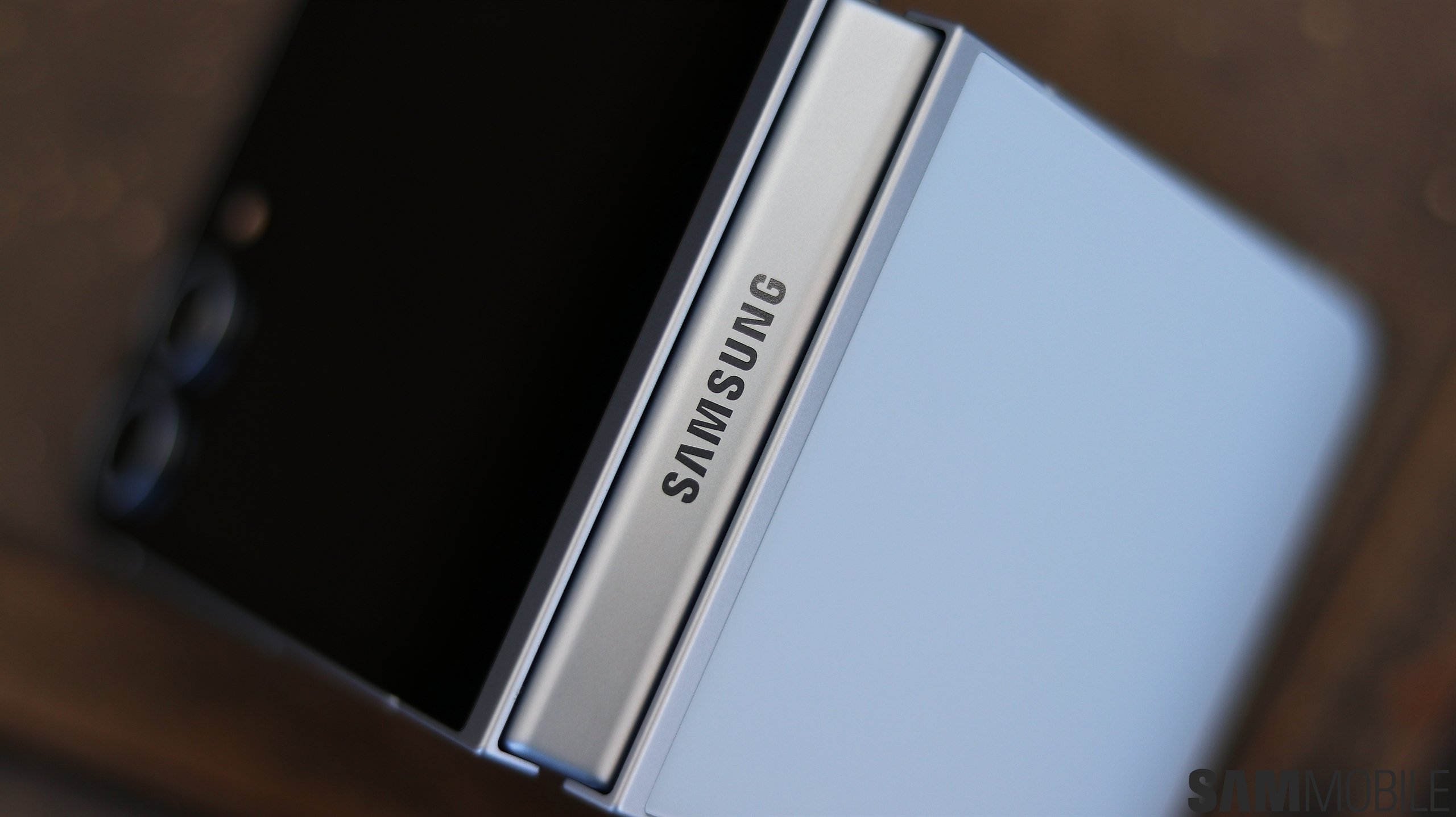
Samsung Galaxy Z TriFold – Source: Abhijeet Mishra / SamMobile
Space Constraints and the Battery Bottleneck
Beyond the mechanical risks, we face the inescapable reality of internal volume. Modern smartphones are densely packed with batteries, camera sensors and cooling systems. A rollable mechanism occupies a significant portion of the internal chassis, forcing designers to make difficult compromises. If we look at existing foldable technology, manufacturers already struggle to balance battery capacity with the physical footprint of the device. A rollable device would require even more space for the motor and the motorized track, likely resulting in either a thicker, heavier chassis or a smaller battery that compromises daily utility.
the cost of research and development for such specialized mechanical components is immense. When you combine the high cost of flexible OLED panels with the specialized motors required for smooth, consistent expansion, the retail price of a consumer-ready rollable phone would likely exceed the already high entry point of modern flagship foldables. For a device that offers fewer clear-cut “hybrid” form factors than a tri-fold or standard fold, the value proposition to the average consumer remains, at best, questionable.
Why Foldables Remain the Better Bet
Right now, foldables—such as the Samsung Galaxy Z Fold 7—have established a functional baseline. They allow users to transition from a pocketable phone to a tablet-sized interface with a proven, albeit still evolving, hinge design. The industry has spent years refining the durability of these screens, improving the crease, and optimizing software to handle dynamic aspect ratios. This ecosystem of support is vital.
If we shift our focus to rollables, we are essentially starting from scratch. We would be introducing a new, unproven mechanical failure point that is significantly more difficult to repair than a hinge. In an era where Right to Repair legislation is gaining momentum globally, the prospect of a device that is inherently a “repair nightmare” is a step in the wrong direction for sustainable consumer electronics.
Key Takeaways on the Future of Flexible Displays
- Mechanical Complexity: Rollable mechanisms introduce more points of failure than the established, hinge-based foldable designs.
- Durability Concerns: The “squeegee effect” poses a unique, potentially insurmountable challenge for keeping internal components clean, and functional.
- Design Trade-offs: Internal space constraints for rollable motors likely necessitate compromises in battery life and overall device thickness.
- Market Viability: Until foldables reach a saturation point or a specific breakthrough occurs in flexible material science, rollables remain an expensive, high-risk niche.
What Happens Next?
The pursuit of rollable technology is an ambitious engineering exercise, but it is currently hampered by the laws of physics and the realities of mass production. While we may see further patent filings and perhaps a few ultra-niche, high-cost concept devices, the foreseeable future of flexible displays belongs to the refinement of foldables. The industry is currently focused on the next generation of foldable hinges and thinner display substrates as outlined in recent Samsung Display technical whitepapers.
As we look toward the remainder of the year, all eyes remain on the next major manufacturer updates to foldable durability and software integration. Will a manufacturer eventually prove these skeptics wrong and produce a truly durable, mass-market rollable? Only time—and significant advancements in material science—will tell. In the meantime, I invite you to share your thoughts: would you trade the reliability of your current phone for the novelty of a rollable screen, or are we better off sticking with the foldable evolution? Join the conversation in the comments below.
Worth a look