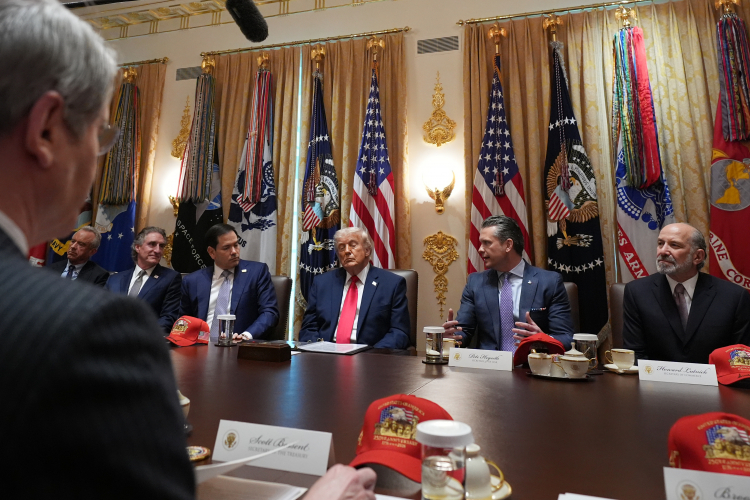
As the international community monitors the evolving geopolitical landscape, the prospect of lasting peace in the Middle East remains elusive. While diplomatic channels are often engaged, the reality on the ground suggests that the path toward a sustainable resolution is obstructed by profound divisions. The notion that peace may not be at hand in Iran and the surrounding region persists as a central concern for policymakers and global analysts alike.
The core challenge lies in a persistent, widening gap between the basic requirements of the involved parties. Despite public statements from various stakeholders expressing a desire for hostilities the fundamental conditions for a durable settlement remain far apart. This disconnect between rhetorical commitments to stability and the rigid requirements of state actors continues to define the current status of regional security.
The Complexity of Diplomatic Alignment
In international relations, the transition from active conflict to a sustainable ceasefire requires a alignment of interests that is currently absent. According to reports from the United Nations, the complexity of regional conflicts often involves multiple non-state actors and competing sovereign interests, which complicates the mediation process. When fundamental security requirements—such as border integrity, disarmament mandates, or regional influence—are perceived as zero-sum, the likelihood of a breakthrough diminishes.
The geopolitical discourse surrounding Iran involves a intricate web of regional security concerns. Analysts at the Council on Foreign Relations have noted that the lack of a shared framework for regional stability means that even when parties express a desire to end current fighting, they often return to the negotiating table with non-negotiable demands that the other side cannot accept. This cyclical pattern of engagement and withdrawal is a hallmark of protracted modern warfare.
Understanding the Regional Security Landscape
The regional security landscape is further complicated by the diverse, and often conflicting, strategic goals of the powers involved. For Iran, maintaining its regional leverage and security architecture is a stated priority. Conversely, neighboring states and international powers often prioritize the containment of regional proxies and the cessation of ballistic missile development. As documented in assessments by the International Institute for Strategic Studies, these conflicting priorities create a structural barrier to diplomacy that transcends simple bilateral negotiations.
What So for the average citizen is a state of perpetual uncertainty. The lack of a clear, verifiable roadmap to peace impacts economic stability, humanitarian access, and regional migration patterns. Without a consensus on the fundamental “end state” of the conflict, international observers remain cautious about the sustainability of any temporary, short-term pauses in violence.
Key Factors Inhibiting Resolution
- Divergent Security Definitions: What one party defines as a defensive necessity, another views as an existential threat.
- Proxy Dynamics: The involvement of various armed groups complicates direct negotiations between sovereign states.
- Trust Deficit: A history of broken agreements and clandestine operations has eroded the baseline of trust required for long-term treaties.
- Regional Power Competition: The desire to maintain influence over neighboring territories frequently outweighs the immediate benefits of a peace agreement.
The Role of International Mediation
International mediation efforts, while persistent, often struggle to bridge the divide when the internal political pressures within each country are so intense. The challenge for mediators is to find a “middle ground” that provides enough security for all parties to justify the domestic political cost of compromise. However, as noted by the International Crisis Group, such compromises are frequently rejected by hardline domestic factions who view any concession as a strategic defeat.
Moving forward, the international community continues to watch for signs of movement in diplomatic talks. Future developments will likely depend on whether regional actors can redefine their security interests in a way that allows for coexistence rather than containment. Until such a shift occurs, the region remains in a state of fragile, high-stakes volatility.
The next major checkpoint for international observers will be the upcoming session of the United Nations Security Council, where regional security updates are expected to be discussed. We encourage our readers to stay engaged with these developments through official channels and to share their perspectives on the diplomatic efforts currently underway. Your participation in the global conversation is vital as we analyze these complex international affairs.
Keep reading