
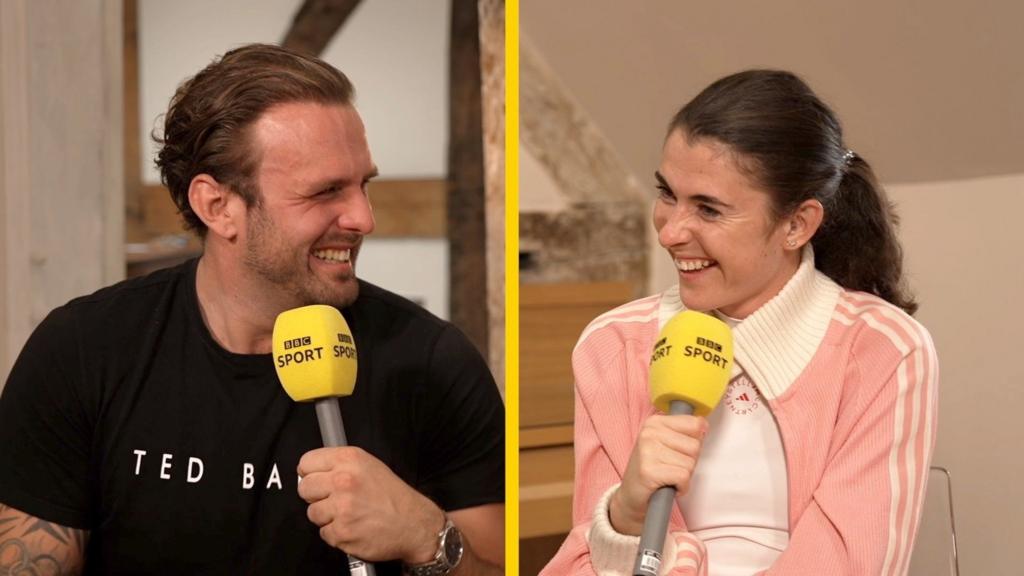
For many elite athletes, the journey to the podium is defined not just by physical training, but by a profound evolution in self-perception. For three-time Paralympic champion Aled Sion Davies, the path to international success was complicated by a significant internal struggle: a deep-seated shame regarding his disability in the years leading up to the London 2012 Paralympic Games. This narrative of transformation—moving from concealment and insecurity to becoming a vocal advocate for disability visibility—is a common thread among those who have navigated the high-pressure world of elite para-sports.
As the sporting world looks toward future competitions, including the Milano Cortina 2026 Winter Paralympic Games, the importance of fostering inclusive environments where athletes feel empowered rather than stigmatized has never been more critical. The conversation surrounding disability identity remains a cornerstone of the modern Paralympic movement, influencing how the next generation of competitors views their own potential on the global stage.
The Evolution of Disability Identity in Elite Sport
The transition from viewing one’s disability as a source of shame to embracing it as a component of athletic identity is a journey of personal growth that often mirrors the development of the Paralympic movement itself. Historically, the Paralympic Games have served as a platform to shift societal perceptions, evolving from a small gathering of veterans in 1948 to a massive, international multisport event governed by the International Paralympic Committee (IPC).
For athletes like Aled Sion Davies, the external validation provided by competing at the highest level—such as the London 2012 Games—often acts as a catalyst for internal reconciliation. By achieving excellence on the track or in the field, athletes frequently find that the limitations once associated with their disabilities are replaced by a focus on performance, discipline and the pursuit of gold. This shift is not merely personal; it has profound implications for how disability is represented in the media and perceived by the public at large.
Building Support Systems for Future Generations
Ensuring that athletes do not face the same struggles with identity and shame requires robust institutional support. The U.S. Olympic & Paralympic Committee and other national bodies have increasingly focused on the holistic athlete journey, recognizing that mental health and self-acceptance are as vital as physical prowess. Initiatives such as the “Campaign for Team USA” aim to provide the resources necessary to transform the athlete experience, ensuring that the decision to compete is one of empowerment.
The IPC has also prioritized the long-term well-being of its participants, evidenced by programs such as leadership courses for retiring Paralympians. By investing in the athlete beyond their competitive years, organizations help create a culture where disability is not a secret to be hidden, but a lived experience to be shared and celebrated. This systemic approach is essential for maintaining the integrity and spirit of the Paralympic movement.
Key Takeaways for the Paralympic Movement
- Visibility Matters: Open discussions about the psychological barriers athletes face help destigmatize disability for the wider public.
- Institutional Responsibility: Governing bodies play a crucial role in providing the mental health resources necessary to support athlete identity development.
- The Power of Community: Shared experiences among athletes, whether through media interviews or mentorship, foster a sense of belonging that combats isolation.
- Looking Ahead: As preparations for upcoming events like the Milano Cortina 2026 games continue, the focus remains on inclusive excellence and athlete welfare.
Moving Forward: The Future of Para-Sports
The conversation regarding disability and identity is ongoing. As elite athletes continue to share their stories, they provide a roadmap for others who may be navigating similar challenges. The shift from shame to pride is not instantaneous, but it is a vital part of the athletic experience for many in the Paralympic circuit. By fostering environments that prioritize the individual’s voice, the sporting community ensures that the legacy of the Games is defined by the courage of those who participate.
For those interested in following the latest developments in para-sports, the International Paralympic Committee provides ongoing updates regarding competitive schedules, classification research, and athlete-led initiatives. Staying informed about these efforts is the best way to support the continued growth and professionalization of the Paralympic movement. We encourage our readers to engage with these stories and share their thoughts on how One can collectively improve the representation and support of disabled athletes in sports media.
What are your thoughts on the role of elite athletes in changing public perceptions of disability? Share your comments below and join the conversation.