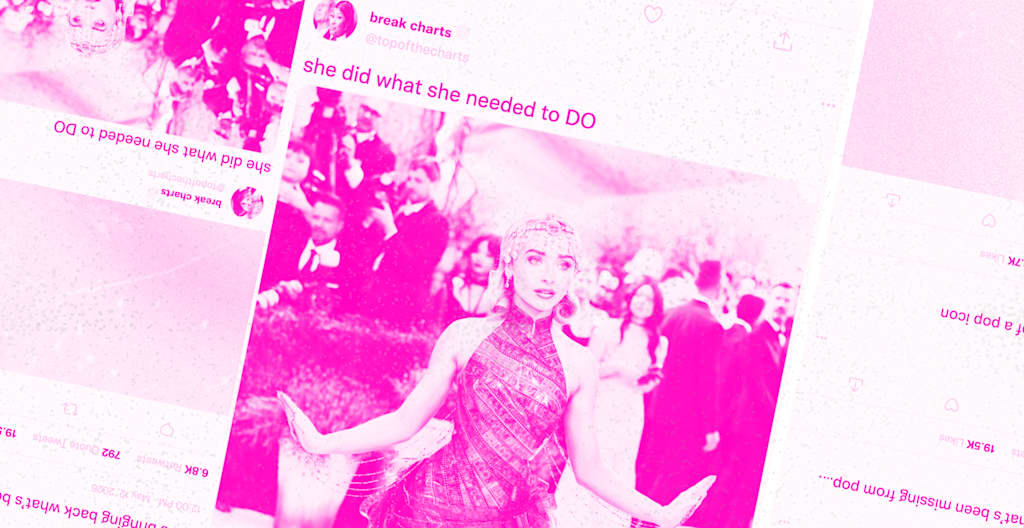
The landscape of music promotion has undergone a quiet but seismic shift. Where major record labels once relied heavily on traditional radio play and high-budget television spots, the modern industry now leans into a strategy where music promo blends into your feed with surgical precision. By leveraging niche social media tastemakers and creators, PR teams are increasingly hiding ads in plain sight, transforming the way artists connect with audiences in an era of digital saturation.
This evolution represents more than just a change in marketing tactics; it is a fundamental reconfiguration of how we discover new sounds. As listeners grow more cynical toward overt corporate messaging, the music industry has pivoted toward “authentic” integration. By placing songs within the context of lifestyle content—whether it is a “day in the life” vlog, a stylized fashion reel, or a niche hobby tutorial—labels ensure that a track feels like a natural part of the user experience rather than an intrusion.
For the average music fan, this means the line between organic discovery and paid promotion has become increasingly porous. Understanding how these campaigns operate is essential for navigating today’s media environment, where the algorithm acts as the ultimate gatekeeper for cultural relevance.
The Rise of the Micro-Influencer in Music Strategy
The shift toward niche social media tastemakers is driven by a desire for engagement over mass-market reach. While a celebrity endorsement might garner millions of eyes, a smaller creator with a highly dedicated following often yields a significantly higher conversion rate for music streams. According to research from the International Federation of the Phonographic Industry (IFPI), the digital music market continues to see robust growth, with streaming accounting for the vast majority of recorded music revenue globally. This financial incentive pushes labels to invest in creators who can foster genuine community interest.
These tastemakers are not just promoting a song; they are curating a vibe. By aligning a specific genre or mood with a creator’s established aesthetic, labels can target specific demographics with laser-like accuracy. This “stealth” approach relies on the creator’s existing trust with their audience. When a fan sees their favorite creator using a track in a video, the song gains a social proof that a traditional banner ad or pre-roll commercial simply cannot replicate.
Why Traditional Promotion is Evolving
The decline of traditional media gatekeepers has forced labels to rethink their outreach. In the past, securing a spot on a major playlist or a radio station was the gold standard for breaking an artist. Today, the focus has moved to social platforms where the audience spends the majority of their time. The Nielsen Music/MRC Data reports consistently highlight that social media discovery is now a primary driver for music consumption among younger demographics, confirming that the “feed” is the new radio.
This transition is not without its challenges. Critics argue that the reliance on algorithmic promotion can lead to a homogenization of sound, where songs are written or edited specifically to perform well in short-form video formats. However, for labels, the ability to track metrics in real-time provides a level of accountability that traditional marketing lacks. They can see exactly which creator’s post led to a spike in streams on platforms like Spotify or Apple Music, allowing for rapid adjustments to their promotional spend.
Navigating the New Digital Ecosystem
As we look toward the remainder of 2026, the trend of integrated marketing is expected to deepen. Labels are increasingly moving away from one-off influencer deals in favor of long-term partnerships that allow for a more natural integration of an artist’s brand into a creator’s content. This strategy seeks to minimize “ad fatigue” and maximize long-term brand loyalty.
For the listener, this means maintaining a critical eye toward the media we consume. While the music we discover through our feeds may feel like a personal recommendation, it is often the result of a sophisticated, data-driven campaign designed to keep us engaged and listening. Awareness of these tactics is the first step in reclaiming the autonomy of our own musical tastes.
The industry’s next major milestone for transparency will likely come from regulatory bodies as they continue to monitor influencer disclosures. The Federal Trade Commission (FTC) maintains strict guidelines regarding the disclosure of paid partnerships, ensuring that consumers are aware when content is sponsored. These regulations remain the primary check against deceptive marketing practices in the digital space.
As the year progresses, we will continue to monitor how these promotional strategies shift in response to both consumer feedback and evolving platform policies. We encourage our readers to join the conversation in the comments section below: have you noticed a change in how you discover your new favorite artists, and does it affect how you feel about the music itself?
Keep reading