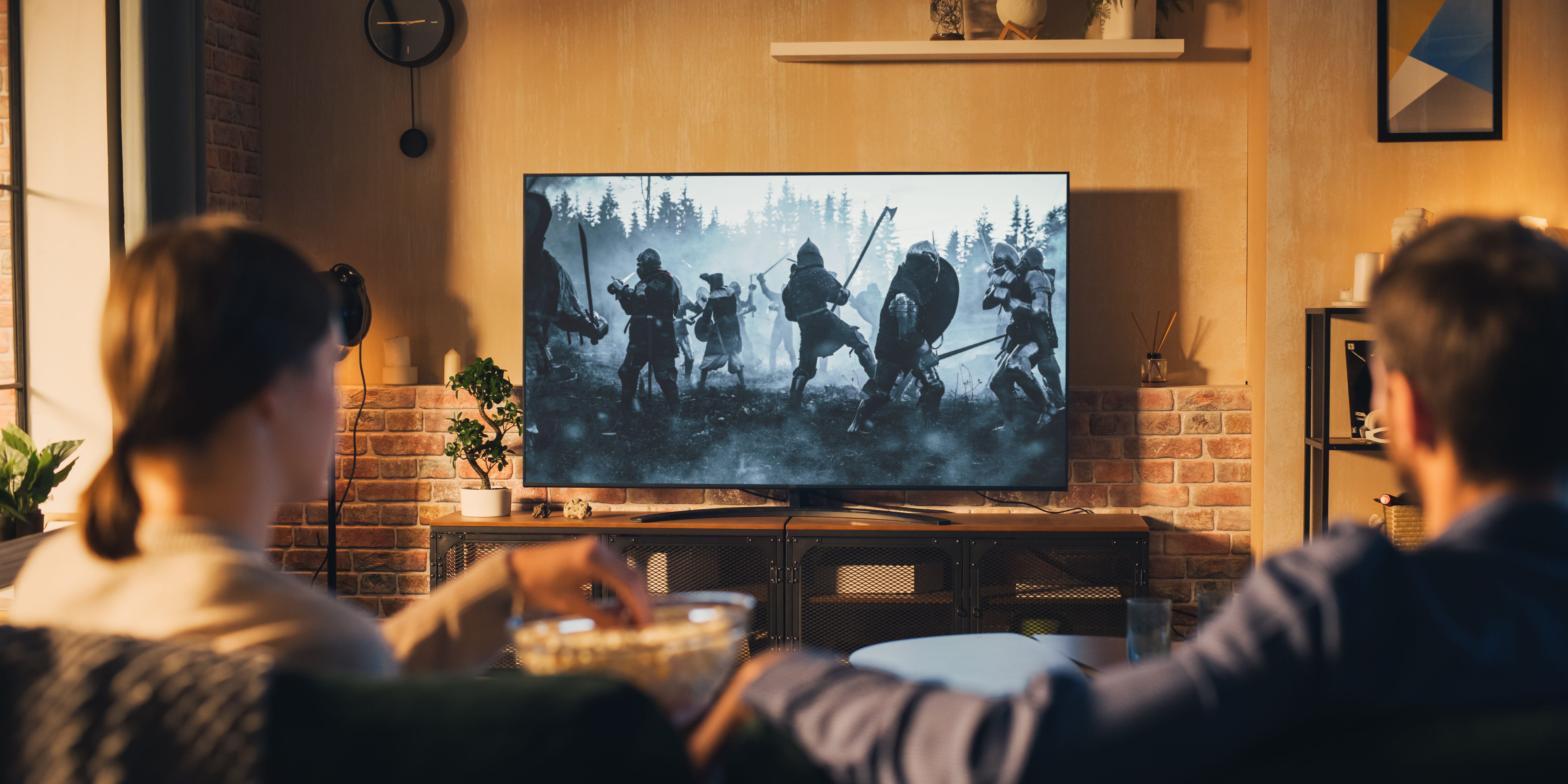
As the global sports community prepares for the upcoming World Cup, home entertainment enthusiasts are increasingly focused on upgrading their viewing experiences. With the market flooded with various display technologies—from OLED to massive-format LED panels—selecting the right device requires a careful balance between technical performance and practical value. Whether you are a dedicated football fan or a casual viewer, the goal for 2026 remains consistent: achieving a high-quality picture that brings the stadium atmosphere directly into your living room.
For those navigating the current “Test Fernseher 2026” landscape, the primary challenge is distinguishing between marketing hype and genuine hardware capability. As a technology editor, I have spent years analyzing how panel architecture, refresh rates, and HDR performance impact the final image. This season, the focus has shifted toward ensuring that motion handling—crucial for fast-paced sports—is prioritized alongside color accuracy and brightness levels. According to industry guidelines from the TÜV-Verband, the safety and ergonomic placement of screens, particularly larger units, should also be a priority to ensure a comfortable and secure viewing environment at home.
Understanding Modern Display Technologies
When evaluating the current crop of televisions, the distinction between OLED and traditional LED/LCD (including Mini-LED) is more relevant than ever. OLED technology remains the gold standard for contrast, as each individual pixel is self-emissive, allowing for perfect blacks and near-infinite contrast ratios. This is particularly beneficial for evening matches where ambient light is low. However, for bright, sun-drenched living rooms, high-end Mini-LED displays often provide the peak brightness necessary to overcome glare.
Beyond the panel type, the processing engine—often powered by AI-driven upscaling—is what differentiates a mid-range unit from a flagship model. Modern processors are designed to reduce artifacts in low-resolution broadcasts, ensuring that even standard HD signals appear sharp on 4K panels. As noted by the Consumer Reports editorial team, consumers should look for features like Variable Refresh Rate (VRR) and Auto Low Latency Mode (ALLM), which have become essential not just for gaming, but for maintaining smooth motion during high-speed athletic events.
Strategic Purchasing During Peak Season
The lead-up to major international tournaments typically triggers a wave of aggressive retail discounting. Electronics retailers often clear inventory to make room for new models, leading to significant price drops on high-performance sets from the previous year. While the allure of a large discount is strong, it is vital to check the specific model year and technical specifications before committing to a purchase.

When shopping for “WM-Deals” or seasonal promotions, consumers should focus on the following criteria to ensure they are getting a genuine value:
- Motion Processing: Look for native 120Hz refresh rates to minimize blur during fast-moving sports content.
- Viewing Angles: If your seating arrangement is wide, prioritize panels with IPS or OLED technology, which maintain color consistency better than standard VA panels.
- Sound Integration: Thin displays often lack room for quality speakers. Budget for a dedicated soundbar or audio system to complement the visual experience.
- Connectivity: Ensure the device supports HDMI 2.1 for future-proofing, especially if you plan to connect a next-generation gaming console.
Safety and Installation Considerations
A frequently overlooked aspect of upgrading to a “XXL” television is the physical installation. Larger screens require specialized wall mounts and secure anchoring, particularly in households with children or pets. The TÜV-Verband emphasizes the importance of following manufacturer instructions regarding weight distribution and structural integrity when wall-mounting displays. A screen that is improperly secured can pose a significant risk, and professional installation is recommended for units exceeding 75 inches.
consider the ergonomic impact of screen size. While a massive display is immersive, sitting too close to an oversized panel can lead to eye strain during extended viewing sessions. A general rule of thumb is to maintain a viewing distance of approximately 1.5 to 2.5 times the screen’s diagonal measurement for a 4K display.
Looking Ahead: The Future of Home Viewing
As we move through the second quarter of 2026, the convergence of high-quality streaming and advanced display hardware has never been more accessible. Manufacturers are increasingly integrating smart features that allow for seamless calibration, often using a smartphone’s camera to adjust color balance based on the room’s lighting conditions. While these automated tools are helpful, they do not replace the importance of manual settings for those seeking a cinematic experience.

I encourage our readers to prioritize longevity over short-term flashiness. A television is a multi-year investment, and choosing a reliable panel with robust software support will pay dividends long after the final whistle of the upcoming tournament. As always, stay tuned to our upcoming reviews section for detailed, hands-on testing of the latest models hitting the market this summer.
What has been your experience with recent television upgrades? Are you prioritizing brightness for daylight viewing or contrast for a home theater setup? Share your thoughts in the comments below, and let’s keep the conversation going as we prepare for the biggest sporting events of the year.
Related reading