Global energy markets reacted sharply this week as geopolitical tensions in the Middle East escalated, leading to a noticeable jump in oil prices. The increase follows a series of military engagements involving United States forces and Iranian interests, a development that has prompted immediate concern among investors and energy analysts regarding the security of regional supply chains. As of Wednesday, international benchmark Brent crude saw a rise of more than $1 per barrel, reflecting the market’s sensitivity to the potential for a wider conflict in a region critical to global oil production, according to data reported by Reuters.
The latest military actions, which the Pentagon has described as targeted operations against facilities utilized by Iranian-backed groups, have tested the stability of a fragile regional ceasefire. While the U.S. Government maintains that these strikes are defensive measures intended to deter further attacks on American personnel and regional allies, the proximity of these actions to key maritime transit points—most notably the Strait of Hormuz—has amplified fears of supply disruption. The volatility in the energy sector is compounded by broader uncertainty in global equity markets, with Asian shares showing a downward trend as investors pivot toward safe-haven assets.
Geopolitical Drivers Behind Market Volatility
The current instability is rooted in a complex web of regional friction. Military analysts note that the recent strikes are not isolated events but rather part of a persistent cycle of provocation and response. The U.S. Department of Defense has officially confirmed that its recent operations were conducted in response to specific threats against U.S. Forces in the region, emphasizing that the objective remains the protection of American interests rather than an expansion of the conflict, as detailed in the official press releases from the Pentagon.

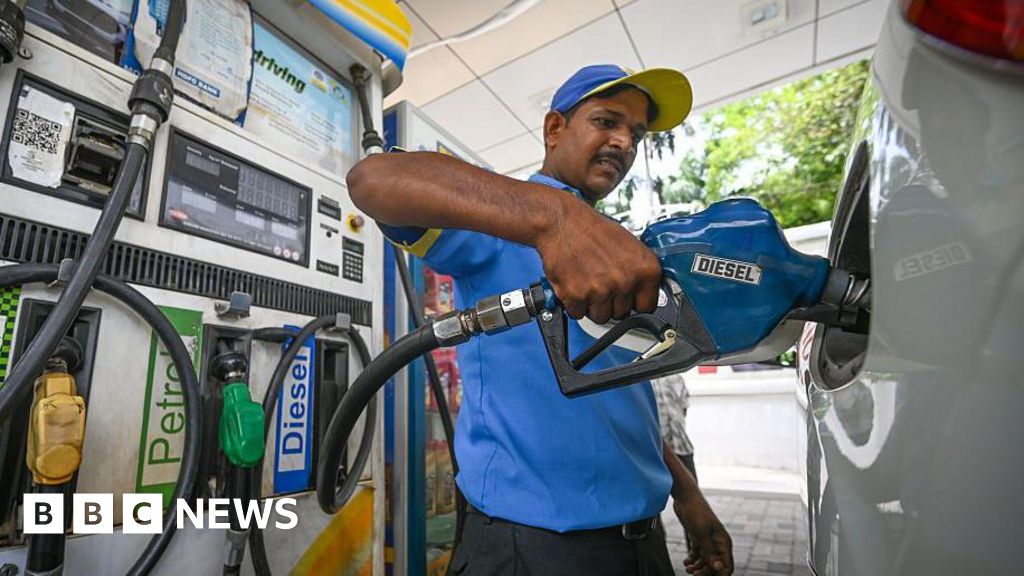
For the average consumer, the immediate impact of these market movements is often felt at the petrol pump, though economists warn that the correlation is rarely instantaneous. Crude oil prices serve as the primary input cost for refined products like gasoline and diesel. When market sentiment shifts due to the threat of war, futures contracts—agreements to buy oil at a set price in the future—are bid up, creating a ripple effect that eventually reaches retail markets. However, the extent of the price hike at the local level will depend heavily on current global inventory levels and the duration of the current military tensions.
Supply Chain Security and the Strait of Hormuz
The strategic importance of the Middle East to global energy security cannot be overstated. A significant portion of the world’s daily oil production passes through the Strait of Hormuz, a narrow waterway that serves as the primary artery for exports from Saudi Arabia, the United Arab Emirates, Kuwait and Iraq. Any military activity that threatens the free flow of tankers through this chokepoint historically leads to an immediate “risk premium” being added to the price of oil.
Market observers are currently monitoring the situation for signs of escalation that could involve the closure of this strait. While such a scenario remains an extreme outlier in current analysis, the mere possibility keeps energy traders in a state of high alert. The International Energy Agency (IEA) continues to monitor global stockpiles and has mechanisms in place to coordinate a release of strategic petroleum reserves among member nations if a severe, prolonged supply disruption were to occur, as outlined in their latest market assessment.
What Lies Ahead for Global Markets
As we look toward the coming days, the primary checkpoint for observers will be the official statements from the U.S. State Department and the regional governments involved. Diplomatic channels remain the most effective tool for de-escalation, and international mediators are reportedly engaged in behind-the-scenes discussions to prevent the situation from spiraling further. Investors should remain cautious, as markets are likely to remain reactive to any new reports of military activity or shifts in diplomatic posturing.

The interplay between political developments in Washington and the security environment in the Middle East will continue to dictate market trends for the foreseeable future. While volatility is expected to persist, analysts suggest that the market’s long-term direction will depend on whether the current cycle of strikes leads to a sustained conflict or if a diplomatic off-ramp can be successfully negotiated. We will continue to provide updates as verified information becomes available from official diplomatic and military sources.
How do you view the impact of these regional tensions on your local economy? We invite our readers to share their perspectives in the comments section below, and we encourage you to share this report to help keep our global community informed.
Related reading
- Alcatraz Boat Tragedy: 1 Dead, Multiple Missing After Pontoon Boat Capsizes in San Francisco Bay
- Choosing the Right Fragrance for Hot Weather
- Soyuz MS-29 Launch to ISS and Russian Strikes on Ukrainian Port (archynewsy.com)
- Why Is Iran Tensions Worsening With The US Over The Hormuz Strait (world-today-news.com)