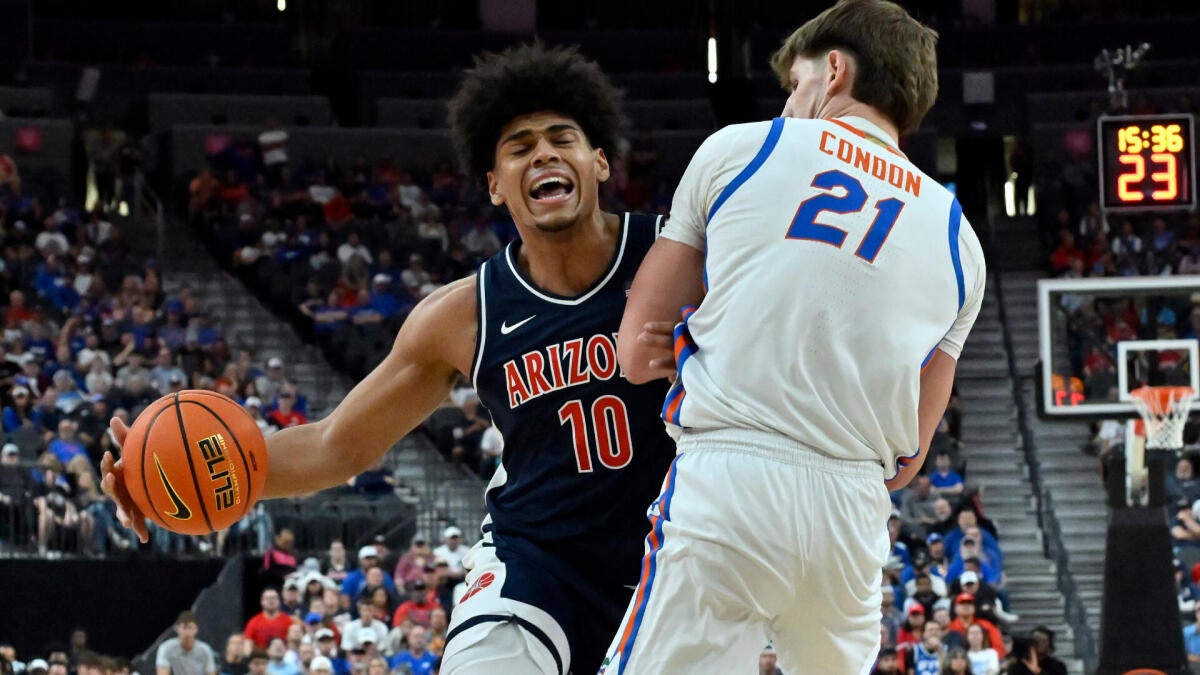
The window for professional aspirations has slammed shut, leaving a trail of reshuffled rosters and recalculating strategies across the college basketball landscape. As the NBA Draft withdrawal deadline passed on June 29, 2024, the basketball world was forced to confront a new reality: the distinction between professional readiness and collegiate development has never been more pronounced.
For players who entered the draft pool, the decision to withdraw and return to campus is often a calculated response to the feedback received during the NBA Draft Combine and subsequent private workouts. This decision doesn’t just affect the individual athlete; it triggers a massive domino effect that impacts coaching staff, scholarship availability, and the competitive balance of the upcoming NCAA season. While some programs celebrate the return of proven talent, others find themselves in a frantic race to rebuild rosters amidst a summer defined by unprecedented player movement.
The conclusion of this deadline marks a pivotal transition in the basketball calendar. We are moving away from the era of “one-and-done” dominance and into a complex, multi-layered period where the NBA Draft, the transfer portal, and high-stakes recruiting battles all collide. This intersection of professional ambition and collegiate stability is creating a unique set of winners and losers that will define the 2024-25 season long before tip-off.
The Mechanics of the Decision: Why Players Return
The decision to withdraw from the NBA Draft is rarely made in a vacuum. For many prospects, the process is heavily influenced by the data and scouting reports generated during the NBA Draft Combine. While the Combine serves as a showcase for athleticism and skill, it also serves as a reality check. Scouts use the event to measure vertical leap, wingspan, and shooting mechanics against the elite standard of the NBA, and for many players, that comparison provides the necessary clarity to stay in school.
When a player realizes their current skill set or physical profile may not secure the draft position they desire, the strategic move is to return to the collegiate level to refine their game. This “developmental detour” is becoming increasingly common as players prioritize long-term professional viability over the immediate, but potentially underwhelming, prospect of being a late second-round pick or an undrafted free agent.
This cycle of evaluation and decision-making has turned the late spring and early summer into a period of intense strategic planning for college coaches. A sudden return of a star player can instantly transform a program’s projected ceiling, while a departure to the pros can leave a gaping hole in a team’s offensive or defensive identity.
The Winners: Programs Reclaiming Talent and Stability
The primary beneficiaries of the withdrawal deadline are the college programs that successfully retain high-level talent. When a player decides to return to campus, it provides a level of continuity that is increasingly rare in the modern era of the transfer portal. These “returner” wins allow coaches to build around established chemistry and veteran leadership, which are critical components for success in high-major conferences.
For these programs, the return of a projected NBA prospect is more than just a roster addition; it is a recruiting tool. It signals to prospective high school recruits and transfer candidates that the program is a place where players can develop and stay competitive at the highest levels. This stability can be the difference between a deep tournament run and a middling conference finish.
the return of players who have already navigated the professional evaluation process brings a new level of maturity to the locker room. These athletes return with a clearer understanding of what is required to compete at the professional level, often serving as unofficial mentors to younger players on the roster.
The Parallel Battle: Recruiting Wars and Roster Rebuilding
While the NBA Draft withdrawal deadline focuses on the immediate future of current college stars, a parallel and equally intense battle is being waged in the recruiting and transfer sectors. The summer of 2024 is a period of massive roster turnover, where the “winners and losers” are determined not just by draft decisions, but by how effectively programs navigate the competition for the next generation of talent.
We see this tension clearly in the high-stakes pursuit of elite high school prospects. For instance, the recruiting landscape remains incredibly volatile as top-tier programs battle for the commitment of 2025 class stars like Koa Peat. While Peat’s journey is a matter of collegiate recruitment rather than the NBA Draft, the intensity of the competition—with programs like Arizona heavily involved in these high-profile battles—mirrors the high stakes of the professional draft process. For schools like Arizona, the ability to secure top-tier recruits is essential to maintaining their status as a national powerhouse, even as they navigate the complexities of roster management.
Simultaneously, programs are using the transfer portal to achieve rapid transformation. St. John’s, under the leadership of Rick Pitino, has emerged as a notable example of a program aggressively building through strategic acquisitions. Pitino’s ability to identify and land impactful players has positioned the Red Storm as a program on the rise, demonstrating how a well-executed combination of recruiting and transfer acquisitions can quickly alter a program’s trajectory.
Key Takeaways: The Summer Basketball Shift
- The Deadline Impact: The June 29 NBA Draft withdrawal deadline has finalized the rosters for many high-major programs, creating a clear divide between those gaining talent and those losing it.
- Development Over Draft: An increasing number of players are choosing to return to college to refine their skills following NBA Combine evaluations.
- The Multi-Front War: Success in the upcoming season depends on navigating three distinct areas: the NBA Draft, the Transfer Portal, and high-stakes high school recruiting.
- Strategic Winners: Programs like St. John’s are setting the blueprint for roster building through aggressive, multi-channel talent acquisition.
The Losers: Uncertainty and Roster Gaps
Conversely, the withdrawal deadline and the broader summer movement create significant challenges for certain stakeholders. NBA teams, particularly those with late-round picks, face a degree of uncertainty as they finalize their draft boards. When a player withdraws, it can disrupt a team’s projected draft strategy and force them to pivot toward other prospects in the final hours of the draft process.
In the collegiate realm, the “losers” are often the programs that fail to replace departing talent. When a star player declares for the NBA and stays, it leaves a void that is not always easily filled by the transfer portal or incoming freshmen. This can lead to a “talent gap” that becomes evident during the early months of the conference schedule. Programs caught in the crossfire of intense recruiting battles—where they lose key prospects to rival schools—face the daunting task of rebuilding their identity under immense pressure.
The complexity of the current landscape means that there is no longer a single “off-season.” Instead, it is a continuous cycle of evaluation, acquisition, and adjustment. The ability to manage these moving parts is what separates the perennial contenders from the programs struggling to find their footing.
The Strategic Evolution of College Basketball
What we are witnessing is the evolution of the college basketball ecosystem. The traditional boundaries between “recruiting,” “transferring,” and “professional preparation” have blurred. Coaches are no longer just teaching fundamentals; they are managing professional-grade talent pipelines and navigating a landscape that resembles a professional free agency period more than a traditional academic environment.
This shift demands a new type of leadership. Coaches must be adept at talent identification, player management, and strategic roster construction. The success of programs like St. John’s suggests that the most effective leaders will be those who can master the art of the “total roster build”—leveraging every available avenue to secure talent, whether that player is a high school phenom, a veteran transfer, or a returning star who decided the professional leap was premature.
As we move toward the fall, all eyes will be on how these decisions manifest on the court. The winners of this summer’s maneuvering will be the ones who can translate their roster construction into wins, losses, and tournament appearances.
Next Scheduled Checkpoint: The NCAA’s official roster certification and tournament eligibility updates will be the next major milestone as programs finalize their summer movements.
What do you think about the current state of college basketball roster building? Is the emphasis on the transfer portal and recruiting overshadowing player development? Let us know in the comments below and share this article with your fellow basketball fans.
Keep reading