
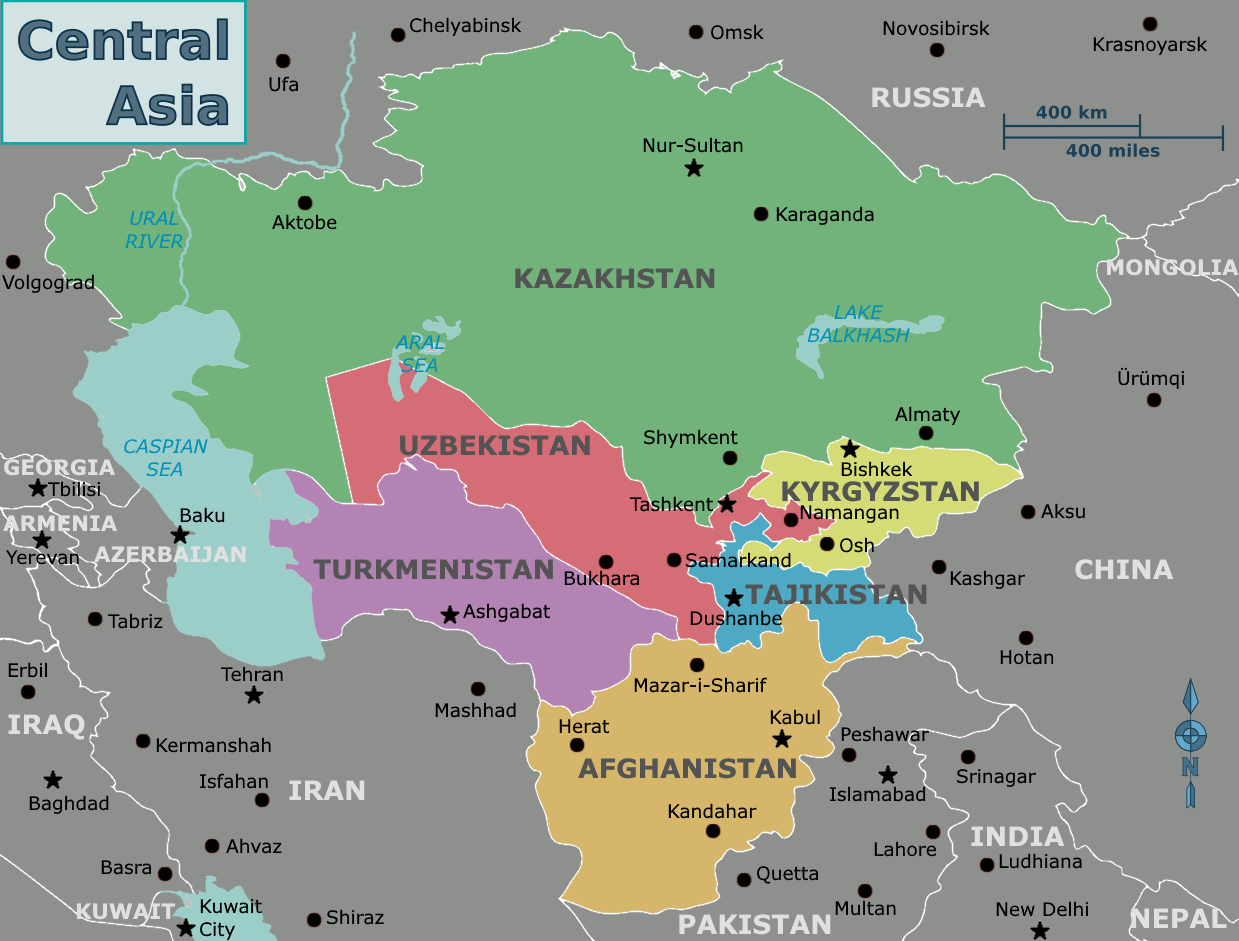
The interpretation of the past remains a potent instrument of statecraft, particularly in Central Asia, where the legacy of the Russian Empire and the Soviet Union continues to shape modern national identities. Recently, a pedagogical and diplomatic friction point emerged regarding the terminology used in Kyrgyz school textbooks. Russian officials and historians have formally requested that their counterparts in Kyrgyzstan reconsider the use of the term “colonialism” when describing the period of Tsarist and Soviet rule in Central Asia, igniting a broader debate about historical memory, sovereignty, and the future of regional academic cooperation.
For many historians in Bishkek, the shift toward a post-colonial analytical framework is a necessary step in decolonizing the national narrative. However, the request from Moscow—often framed as a push for “historical objectivity”—highlights the persistent tension between Russia’s desire to maintain a narrative of “civilizational integration” and the efforts of former Soviet republics to establish a distinct, independent historical identity. This textbook debate over the term colonialism serves as a microcosm for the complex geopolitical realities facing the region today.
The Weight of Words: Why Terminology Matters
In international relations, the nomenclature of history is rarely just about semantics. When historians categorize the 19th and 20th-century expansion of the Russian Empire into the Kyrgyz steppe as “colonial,” they invoke a specific set of political and social grievances. This framework emphasizes exploitation, cultural assimilation, and the suppression of local autonomy. Conversely, the Russian perspective—often articulated through official state narratives—tends to characterize this era as a period of modernization, the introduction of industrial infrastructure, and the promotion of literacy and secular education.
The pushback against the term “colonialism” in Kyrgyz academic circles is not happening in a vacuum. It follows a global trend of states re-examining their imperial pasts. In Kyrgyzstan, the debate has been fueled by a new generation of scholars who argue that the Soviet experience, while transformative, was also deeply coercive. According to reports from the Eurasianet news service, the pressure to revise these narratives often manifests in diplomatic meetings and academic forums where Russian officials express concern over what they perceive as the “falsification of history.”
Historical Narratives and Diplomatic Friction
The sensitivity surrounding these textbooks is tied to the broader strategic partnership between Moscow and Bishkek. Russia remains a primary economic and security partner for Kyrgyzstan, with thousands of Kyrgyz citizens working as labor migrants in the Russian Federation. Diplomatic decorum often dictates that sensitive historical issues are handled with caution. However, the increasing visibility of this debate suggests that local historians are becoming more assertive in their academic independence.
The Russian government has historically viewed its influence in the region as a “soft power” asset, rooted in a shared historical experience. By challenging the “colonial” label, Moscow is effectively defending its historical legitimacy as a stabilizing force in Central Asia. For Kyrgyz historians, however, the ability to define their own past is a fundamental expression of the sovereignty they gained following the 1991 collapse of the Soviet Union. This clash of perspectives is documented in various regional policy analyses, which note that history education has become a front line for ideological influence.
The Evolution of Historical Inquiry
What does this mean for the future of education in the region? The debate is likely to intensify as Kyrgyzstan continues to modernize its curriculum. The move toward a more critical historical analysis is not necessarily an act of hostility toward Russia, but rather an attempt to reconcile the complexities of the past with the requirements of a modern, independent state. Scholars argue that by engaging with the nuances of the colonial experience, students can better understand the structural challenges that persist in the region today, from land management issues to cultural preservation.
As the academic community continues to navigate these pressures, the role of international archives and objective, peer-reviewed research will become increasingly important. While political pressure can influence the content of state-sanctioned textbooks, it cannot silence the growing body of historical research that seeks to document the lived experiences of those who were subject to imperial administration. The challenge for educators in Kyrgyzstan will be to balance these competing pressures while providing students with a comprehensive, evidence-based understanding of their national heritage.
Key Takeaways: The Kyrgyz-Russian Textbook Disagreement
- The Core Conflict: Russian authorities are advocating for the removal of the term “colonialism” from Kyrgyz history curricula, preferring narratives of modernization and integration.
- Sovereign Identity: Kyrgyz scholars view the adoption of post-colonial terminology as essential for defining a national identity distinct from the Soviet and imperial Russian frameworks.
- Geopolitical Context: The debate occurs against a backdrop of deep economic and military ties, making historical disagreements a sensitive element of bilateral diplomacy.
- Academic Autonomy: The tension highlights the ongoing struggle to reconcile state-sanctioned national myths with the findings of modern, critical historical research.
Looking ahead, observers should monitor the upcoming sessions of the Kyrgyz-Russian intergovernmental commission on humanitarian cooperation, where such educational matters are frequently discussed. While no immediate changes to national curricula have been officially mandated as a result of these specific diplomatic requests, the conversation surrounding how the past is taught remains a critical indicator of the shifting political landscape in Central Asia. We will continue to follow any official statements from the Kyrgyz Ministry of Education regarding potential updates to academic standards.
As always, we welcome your thoughts on how historical narratives impact contemporary international relations. Please share your perspectives in the comments section below, and join the conversation on our social media channels.
Worth a look