
As the international community looks toward the summer of 2026, the sporting world is preparing for a landmark moment in global cooperation: the FIFA World Cup 2026™. This tournament represents more than just a series of matches. it is a complex, tri-national undertaking that highlights the logistical and diplomatic synergy required to host the world’s most-watched sporting event. With Canada, the United States, and Mexico serving as joint hosts, the tournament is poised to become the largest edition in history, setting a new benchmark for how nations can align their infrastructure, security, and cultural objectives on a global stage.
The significance of this collaboration was underscored by the United Nations’ recognition of World Football Day, an initiative that emphasizes the sport’s unique ability to bridge cultural divides and foster international dialogue. For Canada, serving as a co-host is a strategic opportunity to demonstrate its institutional strength and its commitment to values-based diplomacy. Having previously hosted the FIFA Women’s World Cup in 2015 and the FIFA U-20 Women’s World Cup in 2014, Canada brings a wealth of experience to the 2026 project, balancing the demands of high-level event management with a focus on inclusivity and respect for the diverse communities that define the nation.
The FIFA World Cup 2026™ will see matches held in 16 host cities across the three participating nations, a massive expansion from previous formats. According to official FIFA documentation, the tournament will feature 48 teams, an increase from the 32-team format that had been in place since 1998. This expansion necessitates a level of cross-border coordination in security, transportation, and border management that is unprecedented in the history of international athletics.
A Model for Trilateral Cooperation
The logistical framework for the 2026 tournament relies heavily on the “United 2026” bid, which prioritized the use of existing infrastructure to ensure economic and environmental sustainability. By leveraging stadiums in cities like Toronto and Vancouver, Canada is focusing on retrofitting and enhancing current facilities rather than the large-scale new construction often associated with mega-events. This pragmatic approach is a testament to the administrative maturity of the host nations, who must harmonize their respective legal and security frameworks to accommodate millions of international visitors.
Security coordination is perhaps the most critical component of this trilateral partnership. The three nations have established specialized task forces to manage the flow of information and personnel across borders, ensuring that the tournament remains safe for athletes and fans alike. This operational planning serves as a blueprint for future international collaborations, where the focus is not merely on the event itself, but on the long-term benefits of strengthened information-sharing and administrative alignment. For Canada, this process is deeply integrated with its broader foreign policy objectives: building resilient systems that support economic stability and enhance people-to-people ties.
Inclusive Hosting and Cultural Representation
A core pillar of Canada’s approach to the tournament is its commitment to inclusivity, particularly concerning the recognition of Indigenous Peoples. As the host cities prepare for the arrival of the world, there is a concerted effort to ensure that the cultural presence and partnership of First Nations, Inuit, and Métis communities are central to the visitor experience. This is not merely a ceremonial inclusion; it is part of a broader national effort to reconcile historical narratives and promote a more accurate understanding of the land on which these events will take place.

Diversity remains a hallmark of the Canadian identity, and the tournament is viewed as a platform to showcase this. By creating spaces that are welcoming to fans from every corner of the globe, Canada aims to reinforce its reputation as a reliable and open partner on the international stage. This values-driven hosting strategy is intended to leave a positive legacy that extends beyond the final whistle, influencing how the country is perceived by global investors, tourists, and diplomatic partners.
The Diplomatic Dimension of Sport
The role of international diplomacy in the success of the FIFA World Cup 2026™ cannot be overstated. Career diplomats and international relations experts have noted that such events provide a unique “soft power” advantage. By hosting, Canada is not just facilitating a tournament; it is actively engaging in public diplomacy. This involves navigating complex international relations, maintaining trade ties, and addressing shared global challenges—all while the eyes of the world are focused on Canadian stadiums.
As noted by observers of Canadian foreign policy, the country’s involvement in such large-scale initiatives reflects its broader commitment to multilateralism. Whether it is through development, humanitarian aid, or security cooperation, Canada consistently seeks to position itself as a bridge-builder. The World Cup provides a tangible, high-visibility example of this, demonstrating that trust and cooperation are the foundations of long-term stability. When nations align around a shared objective—as Canada, the U.S., and Mexico have done—the resulting progress is often felt far beyond the confines of the football pitch.
Looking Ahead: Preparing for 2026
As the countdown to the tournament continues, the focus for the organizers remains on the rigorous operational requirements of hosting the world’s largest sporting event. The match schedule, which was unveiled in early 2024, provides a roadmap for the logistical preparations that will dominate the next two years. Host cities are currently in the process of finalizing transportation strategies, fan fest locations, and public safety protocols.
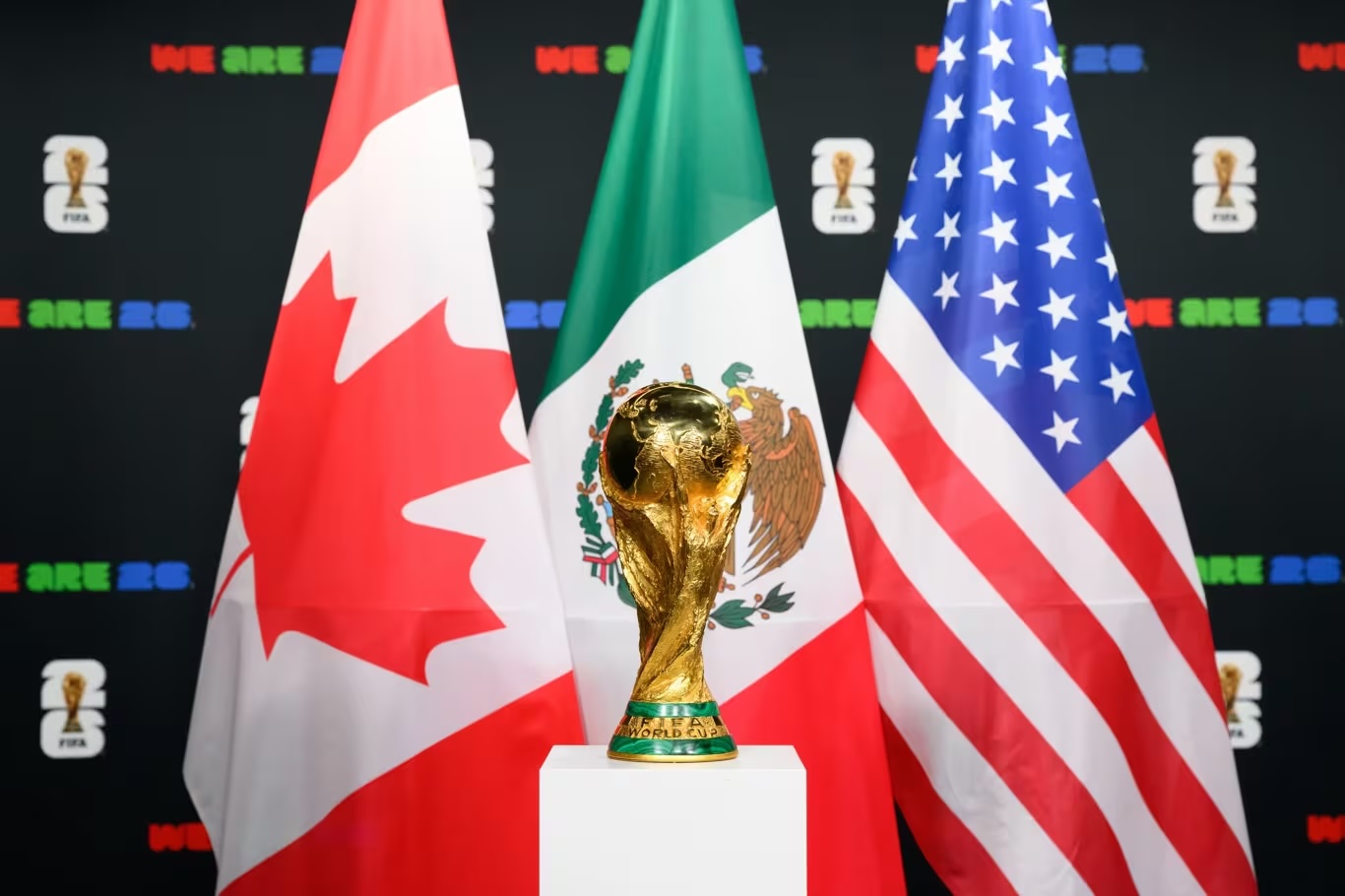
For the average reader, the tournament offers a chance to witness how global cooperation manifests in real-time. Whether through the lens of economic development or cultural exchange, the FIFA World Cup 2026™ is set to be a defining moment for North America. As the host cities continue their preparations, the emphasis will remain on transparency, security, and the welcoming spirit that characterizes the Canadian approach to international events.
The next major milestone for the tournament will be the continued rollout of ticket sales and the finalization of team training camp locations, with official updates expected via the official FIFA portal. We invite our readers to stay tuned for further analysis as we track the progress of this historic event and explore how it continues to shape the geopolitical and cultural landscape of our interconnected world. We welcome your thoughts on how this tournament might influence future international partnerships; please join the conversation in the comments section below.
Worth a look