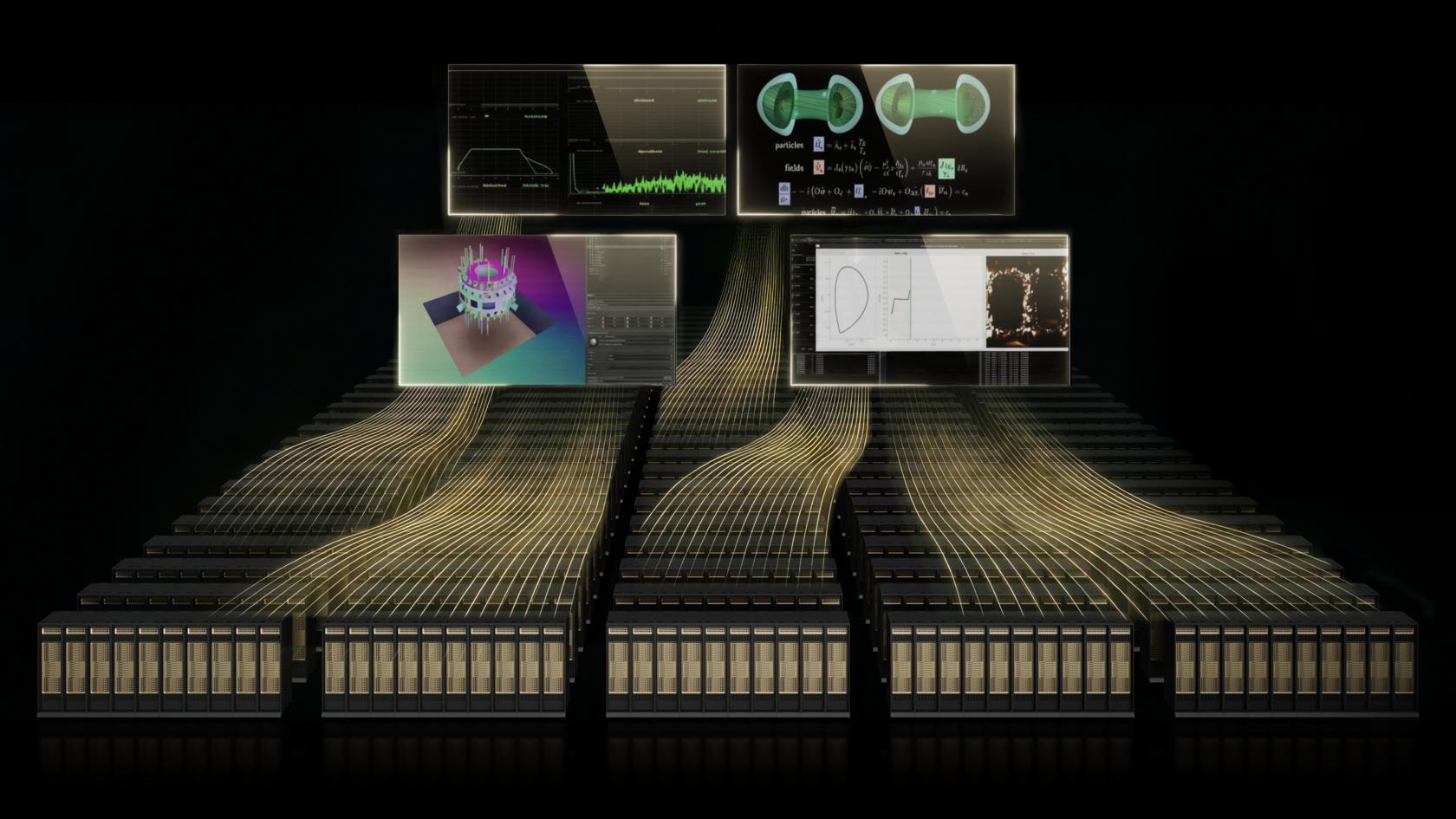
The global race for computational dominance has shifted from simple server farms to what industry leaders now call AI factories. These specialized data centers are no longer just storage units for digital information; they are the high-performance engines designed to transform raw data into intelligence. As organizations across the globe pivot toward large-scale machine learning, these facilities have become the foundational infrastructure of the modern digital economy.
For those of us tracking the evolution of hardware and software, the shift is profound. An AI factory is characterized by its massive, interconnected clusters of graphics processing units (GPUs) and high-speed networking, all optimized to train complex neural networks. According to recent industry analysis, the demand for this specialized compute power has surged as companies move from experimental AI models to full-scale enterprise production, a trend detailed by the International Energy Agency’s 2024 electricity report, which highlights the massive energy requirements for these new hubs.
Defining the AI Factory
Unlike traditional data centers designed for cloud storage or web hosting, AI factories are built for throughput and parallel processing. At their core, these facilities utilize thousands of GPUs working in unison to accelerate the training of Large Language Models (LLMs) and other generative AI applications. The engineering challenge is no longer just about storage capacity; it is about minimizing latency between processors to ensure that data flows seamlessly across the entire cluster.
This shift has necessitated a rethink of physical infrastructure. Cooling systems, power distribution, and even the physical layout of the racks have been redesigned to accommodate the thermal output of high-performance AI chips. As reported by Reuters, the integration of liquid cooling and advanced power management is now a standard requirement for firms looking to maintain competitive compute capacity.
The Economic Impact of Industrialized AI
The rise of these factories is not merely a technical milestone; it is an economic one. Governments and corporations are investing billions into this infrastructure, viewing it as the “digital electricity” of the 21st century. By centralizing compute resources, companies can reduce the time required to train sophisticated models from months to weeks, or even days.
However, this concentration of power brings significant regulatory and environmental questions. The White House Executive Order on the Safe, Secure, and Trustworthy Development and Use of Artificial Intelligence, issued in October 2023, underscores the need for oversight regarding the security and safety protocols governing large-scale computing clusters. As these facilities scale, the industry must balance the race for performance with the mandates for security, sustainability, and transparency.
Key Takeaways: The Infrastructure of Intelligence
- Compute Density: AI factories prioritize GPU-to-GPU interconnectivity to handle massive parallel processing tasks.
- Thermal Management: Liquid cooling is becoming essential as AI chips generate unprecedented levels of heat compared to traditional CPUs.
- Energy Demand: The power requirements for these facilities are driving a new focus on renewable energy integration and grid stability.
- Geopolitics of Compute: Nations are increasingly viewing AI infrastructure as a critical pillar of national security and economic sovereignty.
What Happens Next
The next phase of development will likely focus on efficiency, and modularity. As the industry matures, You can expect to see “modular AI factories” that can be deployed closer to the edge, reducing the reliance on massive, centralized hubs. The industry is closely watching for updates from the National Institute of Standards and Technology (NIST), which is currently developing frameworks for AI safety that will inevitably influence how these physical factories are managed and audited.

The transition toward these specialized environments marks the end of the “general purpose” data center era. Whether you are a developer, an investor, or simply a curious observer, the evolution of AI factories will dictate the pace of innovation for the next decade. We invite our readers to share their thoughts in the comments below—how do you see the physical geography of the internet changing as these AI hubs expand globally?
Related reading