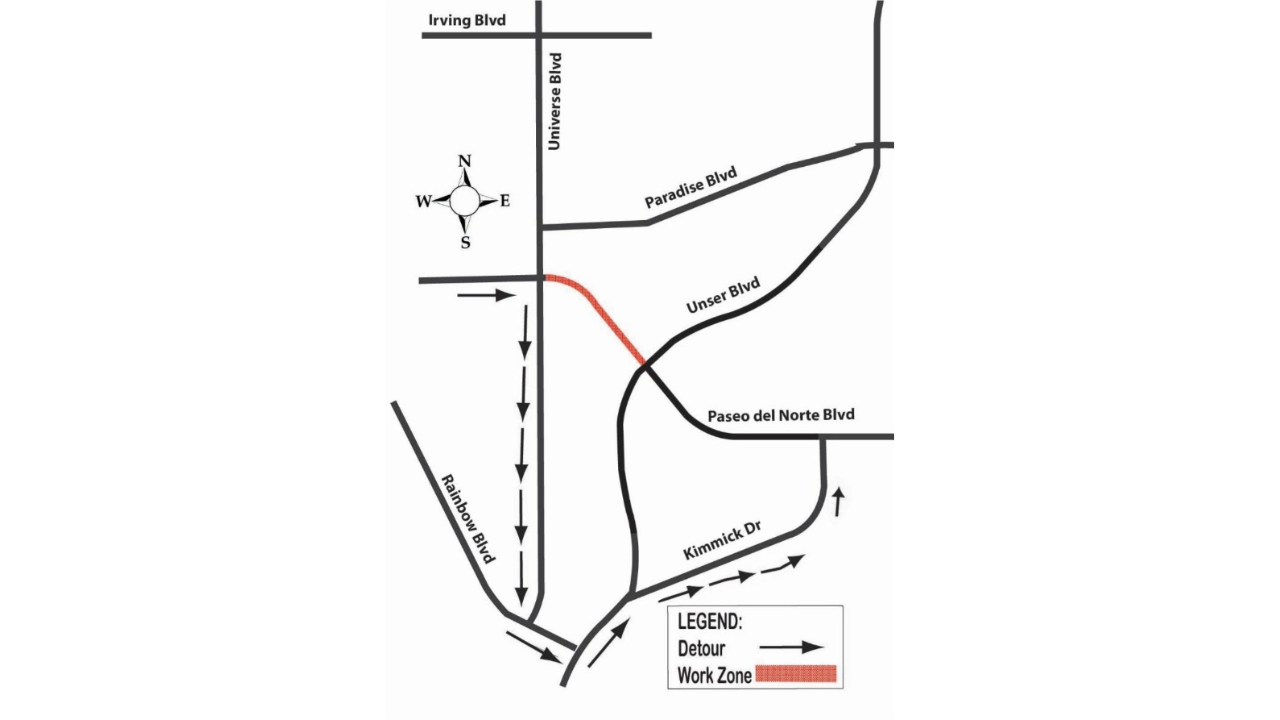
As the city of Albuquerque continues to manage its growing infrastructure needs, residents and daily commuters are bracing for a series of significant traffic disruptions. The City of Albuquerque’s Department of Public Works has initiated a sequence of road closures and construction projects along Paseo del Norte, a primary artery for east-west transit in the metropolitan area. These adjustments are part of a broader effort to maintain and upgrade critical roadway assets, though they inevitably alter the daily routines of thousands of drivers.
For those navigating the city, understanding how these closures in Paseo del Norte will impact traffic is essential for maintaining productivity and avoiding unnecessary delays. With major thoroughfares like Paseo del Norte serving as a backbone for regional connectivity, even localized construction can create a ripple effect, increasing congestion on secondary routes and shifting traffic patterns across the North Valley and surrounding corridors. The city’s official traffic and construction updates portal remains the most reliable resource for real-time information regarding ongoing lane closures and detours.
Understanding the Scope of Infrastructure Upgrades
Urban planning experts emphasize that major arterial roadwork is often a necessity driven by the wear and tear of high-volume traffic. In Albuquerque, managing the balance between infrastructure longevity and the immediate needs of commuters requires a strategic approach. When the Department of Public Works announces significant closures, it typically signals a transition from routine maintenance to more intensive improvements, such as road resurfacing, bridge safety inspections, or utility work located beneath the pavement.
For regular commuters, the impact of these projects is often felt most acutely during peak morning and evening hours. Because Paseo del Norte connects residential sectors with key commercial and industrial hubs, the reduction of lane capacity effectively creates a bottleneck. Drivers are encouraged to monitor the New Mexico Department of Transportation (NMDOT) road conditions map, which provides comprehensive data on regional highway statuses, including those that intersect with city-managed streets.
Strategies for Navigating Construction Zones
To mitigate the stress associated with increased commute times, city officials suggest that motorists plan their routes well in advance. While navigation applications can provide estimated times of arrival, they are sometimes reactive rather than proactive. By checking official municipal advisories before departure, drivers can identify which segments of Paseo del Norte are affected and choose alternative routes such as Alameda Boulevard or Montaño Road, depending on their specific destination.

Safety remains the primary concern during these work phases. Reduced speed limits and shifting traffic lanes are designed to protect both the workers on-site and the driving public. Adherence to posted construction signage is not only a matter of law but a vital component in preventing accidents that could further exacerbate traffic delays. The city frequently reminds residents that construction schedules are subject to change based on weather conditions and unforeseen logistical challenges.
Why Regional Connectivity Matters
The significance of Paseo del Norte extends beyond mere convenience; it is a vital link in the Albuquerque metropolitan transportation network. Disruptions here are felt throughout the city, as traffic seeks the path of least resistance. When a major artery undergoes construction, the density of traffic on adjacent streets typically rises, which can lead to increased wear on those secondary roads. This cycle underscores the importance of the city’s long-term infrastructure planning, which aims to distribute the load across multiple arterial routes.
Residents are encouraged to stay informed through official channels rather than relying on anecdotal reports. The City of Albuquerque maintains a dedicated news and alerts center where residents can find verified information regarding public works projects, emergency road closures, and long-term planning initiatives. Engaging with these official resources ensures that citizens have the most accurate data available when planning their daily travel.
Key Takeaways for Commuters
- Check Before You Drive: Always consult the official municipal traffic portal before leaving for work or school to identify current closures on Paseo del Norte.
- Allow Extra Time: Even with careful planning, construction zones often lead to unforeseen delays; adjusting departure times by 10 to 15 minutes can significantly reduce stress.
- Utilize Alternative Routes: Familiarize yourself with parallel corridors to navigate around heavy congestion points during peak hours.
- Prioritize Safety: Follow all posted traffic control signs and remain vigilant for road crews, especially during early morning or evening shifts.
As the project progresses, the city is expected to provide periodic updates regarding the completion of specific phases. Residents should look for announcements regarding the reopening of lanes or the conclusion of major construction milestones. By remaining informed and patient, the community can help ensure that these necessary upgrades proceed safely and efficiently. We invite our readers to share their experiences or questions in the comments section below, and we will continue to monitor official reports for the latest developments on this ongoing infrastructure project.

Related reading