
In the modern clinical landscape, the doctor-patient relationship has evolved from the paternalistic models of the early 20th century into a partnership defined by shared decision-making and patient autonomy. Yet, when faced with a significant diagnosis or a recommendation for invasive surgery, many patients still find themselves grappling with a common dilemma: should you seek a second medical opinion? While the prospect of questioning a specialist can feel daunting, medical professionals increasingly view the pursuit of a second opinion as a standard, empowering step toward informed healthcare.
Whether you are navigating a complex surgical procedure or seeking clarity on a chronic health condition, gathering additional expertise is not merely a formality; it is a vital tool for patient advocacy. As a journalist who has covered global health policy for over 16 years, I have seen how the shift toward transparency in medicine has placed the tools of empowerment directly into the hands of the patient. Understanding how to navigate this process can transform a moment of medical uncertainty into a more confident, data-driven approach to your long-term health.
The Evolution of Patient Autonomy
The concept of the second opinion did not emerge in a vacuum; it is the product of a significant shift in medical ethics following the global conflicts of the mid-20th century. Historically, the medical community operated under a model where the physician held absolute authority over treatment decisions. However, the introduction of the Nuremberg Code, established in 1947, and the subsequent 1979 Belmont Report, fundamentally altered the ethical landscape by formalizing the necessity of informed consent. These documents ensured that patients were no longer passive recipients of care but active participants who must be fully apprised of the risks, benefits, and alternatives of any medical intervention.

This cultural shift paved the way for more formal structures in patient advocacy. In 1972, researchers at Cornell University Medical College, now known as Weill Cornell Medicine, launched one of the first organized surgical second-opinion programs. This initiative was transformative, as it allowed patients to consult with an independent specialist before committing to a procedure. Data from the initial six years of the program showed that nearly 28% of participants chose to decline or alter their original treatment plans after receiving a second perspective, as documented in historical analyses of medical decision-making published by the National Institutes of Health.
The Clinical Value of a Second Perspective
Why does a second opinion often lead to different outcomes? The answer lies in the complexity of medical diagnostics. In fields such as oncology, where treatment protocols are rapidly advancing, a second opinion is often considered a standard of care. According to research published in the Mayo Clinic Proceedings, a study of patients seeking second opinions at the Mayo Clinic revealed that for 21% of patients, the diagnosis was completely changed, while 66% received a refined or redefined diagnosis. Only 12% of the patients saw their original diagnosis confirmed without any change.

This does not necessarily imply that the initial physician was incorrect. Rather, it highlights that medicine is often an exercise in probability and interpretation. Imaging scans, biopsy results, and clinical symptoms can sometimes be subject to differing interpretations based on a specialist’s specific experience or the resources available at a particular medical center. When a patient seeks a second opinion for a complex or invasive procedure, they are not necessarily looking for a mistake; they are looking for the most comprehensive synthesis of available evidence to guide their quality-of-life decisions.
Navigating the Process: Proactive Steps for Patients
If you are considering a second opinion, the process should be viewed as a strategic approach to your health rather than a sign of distrust toward your current provider. Most reputable surgeons and specialists are accustomed to these requests and often welcome the collaborative nature of the process. Below are practical steps to streamline your journey:
- Verify Your Coverage: Contact your insurance provider early to understand your benefits. Under the Affordable Care Act and Medicare guidelines, many plans provide coverage for second opinions, particularly for surgical procedures or serious diagnoses. Always confirm if the new specialist is in-network to avoid unexpected costs.
- Prepare Your Documentation: Before your appointment, gather your medical records, including imaging reports (CDs or digital files), pathology results, and a list of your current medications. Having these organized allows the second specialist to provide an efficient and informed assessment without needing to duplicate tests.
- Bring a Support Person: Medical appointments can be overwhelming. Bringing a family member or friend can help you take notes and ensure you have someone to discuss the information with once you leave the office.
- Ask Targeted Questions: Focus on the specialist’s experience with your specific condition. Ask how frequently they perform a particular procedure and what their success rates are. Requesting information about alternative treatments or conservative management strategies can also provide a broader perspective on your options.
- Maintain Open Communication: You are not obligated to choose between two doctors. Many patients return to their primary specialist after the second opinion provides them with the reassurance they needed to proceed with the original plan. Providing feedback to your initial doctor about the second opinion can help strengthen your professional relationship.
When is a Second Opinion Most Critical?
While you have the right to seek a second opinion for any medical concern, it is particularly advisable in specific circumstances. If you have been diagnosed with a rare condition, unusual symptoms that are difficult to fit into a clear diagnosis, or a condition that requires a high-risk or invasive surgical procedure, a second perspective is highly recommended. If you feel that your current provider is not addressing your questions or if the communication feels rushed, seeking a new perspective can help demystify points of confusion and ensure you feel heard.
It is important to remember that not all medical decisions are time-sensitive. Before rushing into a procedure, ask your doctor about the urgency of the treatment. In many cases, there is sufficient time to consult with another expert without compromising your health outcomes. For those with cancer, organizations like the National Cancer Institute provide resources to help patients find specialists who can offer the most current evidence-based treatment plans.
Moving Forward
the goal of medicine is to provide the most effective care while respecting the values and preferences of the patient. The second opinion is a vital component of this, serving as a safeguard that ensures patients are fully informed before making life-altering health decisions. As healthcare systems continue to integrate digital health records and telehealth, the process of obtaining a second opinion is becoming more accessible, allowing patients to seek expertise from leading specialists regardless of geographic location.
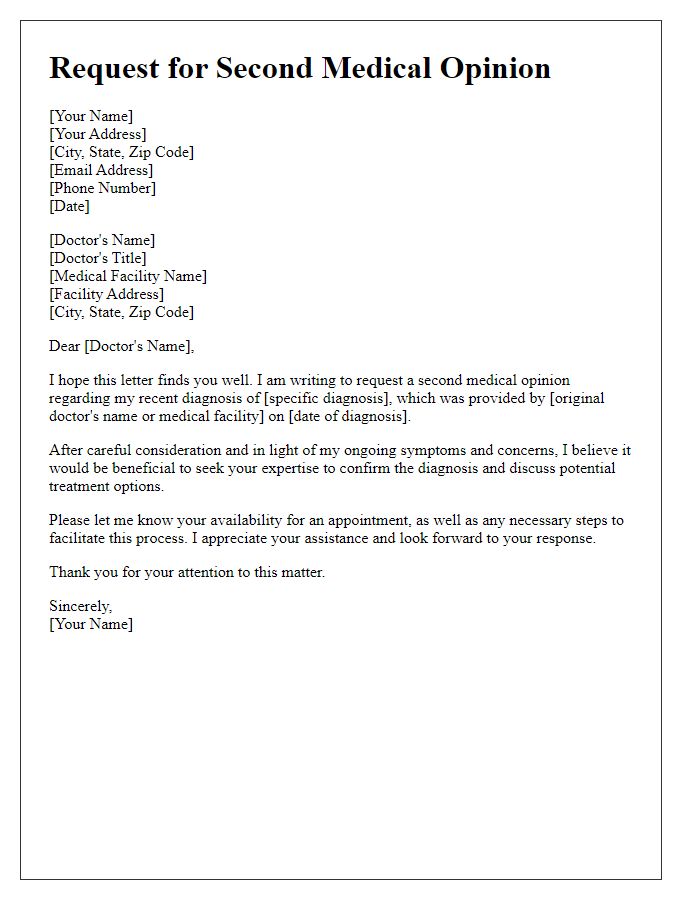
As you navigate your own healthcare journey, remember that your health is your most valuable asset. Taking the time to be thorough, asking the hard questions, and ensuring you are comfortable with your treatment plan is not just your right—it is the best way to ensure you receive the care that aligns with your specific needs. If you have had personal experience navigating the second-opinion process, we encourage you to share your insights in the comments section below. Your experiences can provide invaluable guidance to others currently facing similar medical crossroads.
As of the latest health policy updates, patients are encouraged to check for any new regulations regarding telehealth consultations for second opinions, as these have expanded significantly in the post-2020 landscape. Always consult your official insurer portals for the most current, plan-specific coverage details before scheduling your visit.