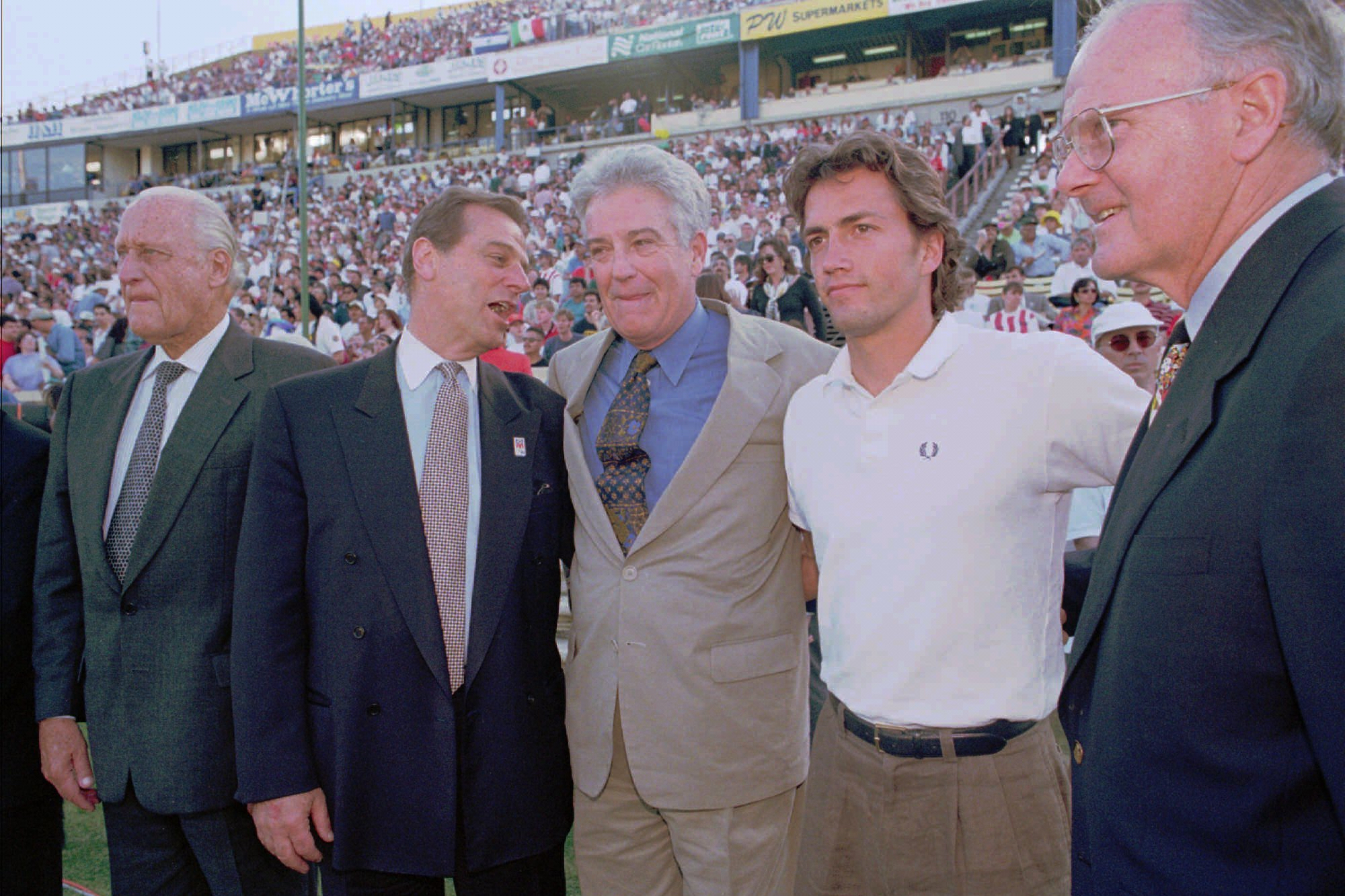
The landscape of professional soccer in the United States, and indeed its standing on the global stage, owes a profound debt to the vision of Lamar Hunt. As the United States prepares to co-host the 2026 FIFA World Cup, the narrative of how the country arrived at this milestone is inextricably linked to the legacy of the late sports tycoon. For his sons, Clark and Dan Hunt, the journey toward hosting the world’s most prestigious tournament is not merely a logistical achievement. We see the culmination of a lifelong commitment to the sport that their father helped pioneer in a nation where it once struggled for relevance.
The path to becoming a two-time host of the FIFA World Cup—an honor the United States previously held in 1994—is a story of endurance, strategic investment, and a deeply personal family mission. While the global community focuses on the upcoming matches, the foundation of this success lies in the decades of work by the Hunt family, who navigated the complex, often unpredictable development of American soccer to build the infrastructure and fan base necessary to support such a massive undertaking. According to The Associated Press, the most enduring memories shared by Clark and Dan Hunt regarding their father, Lamar, are centered on the arduous, unconventional roads they traveled together to experience the game firsthand, long before the sport reached its current heights in the U.S.
The Architect of American Soccer
Lamar Hunt was a visionary whose influence on American sports extended well beyond his foundational role in the American Football League. His foray into soccer was marked by a determination to see the sport thrive domestically. His involvement was not merely executive; it was foundational to the creation of Major League Soccer (MLS). By the time the inaugural game kicked off in 1996, Hunt had already spent years advocating for the sport, facing skepticism from a market that was heavily dominated by traditional American pastimes.
%20MVSC.jpg "Sports Tycoon Lamar Hunt Dallas")
The 1994 FIFA World Cup, hosted by the United States, served as a pivotal moment for the sport’s growth. Lamar Hunt’s presence at those matches, alongside his sons, underscored his belief in the transformative power of the tournament. Today, his legacy persists through his sons: Clark Hunt, who serves as the chairman and CEO of FC Dallas, and Dan Hunt, who serves as the president of the organization. Their continued leadership in the sport reflects the same commitment to “the beautiful game” that their father championed for decades. As noted in reports regarding the upcoming 2026 tournament preparations, the Hunt family remains at the forefront of the organizational efforts in Dallas, ensuring that the infrastructure and the fan experience meet the rigorous standards of international competition.
Building a Legacy: From 1994 to 2026
The transition from the 1994 tournament to the 2026 event highlights the evolution of soccer in the United States. In 1994, the U.S. Was striving to prove its capability as a host nation. By 2026, the country stands as a seasoned organizer with a robust domestic league and a deeply ingrained soccer culture. This progression is a direct reflection of the work initiated by figures like Lamar Hunt, who saw the potential for the sport to bridge cultural divides and capture the American imagination.
For Clark and Dan Hunt, the 2026 World Cup is a tribute to the persistence required to build a lasting sports legacy. The planning for the 2026 FIFA World Cup Fan Festival in Dallas, which was formally announced in March 2026, represents the scale of the modern effort—a far cry from the earlier, more modest attempts to generate interest in the 1970s and 80s. The brothers have continued to leverage their father’s philosophy: that the sport must be accessible, engaging, and deeply connected to the communities it serves.
The Role of Infrastructure and Vision
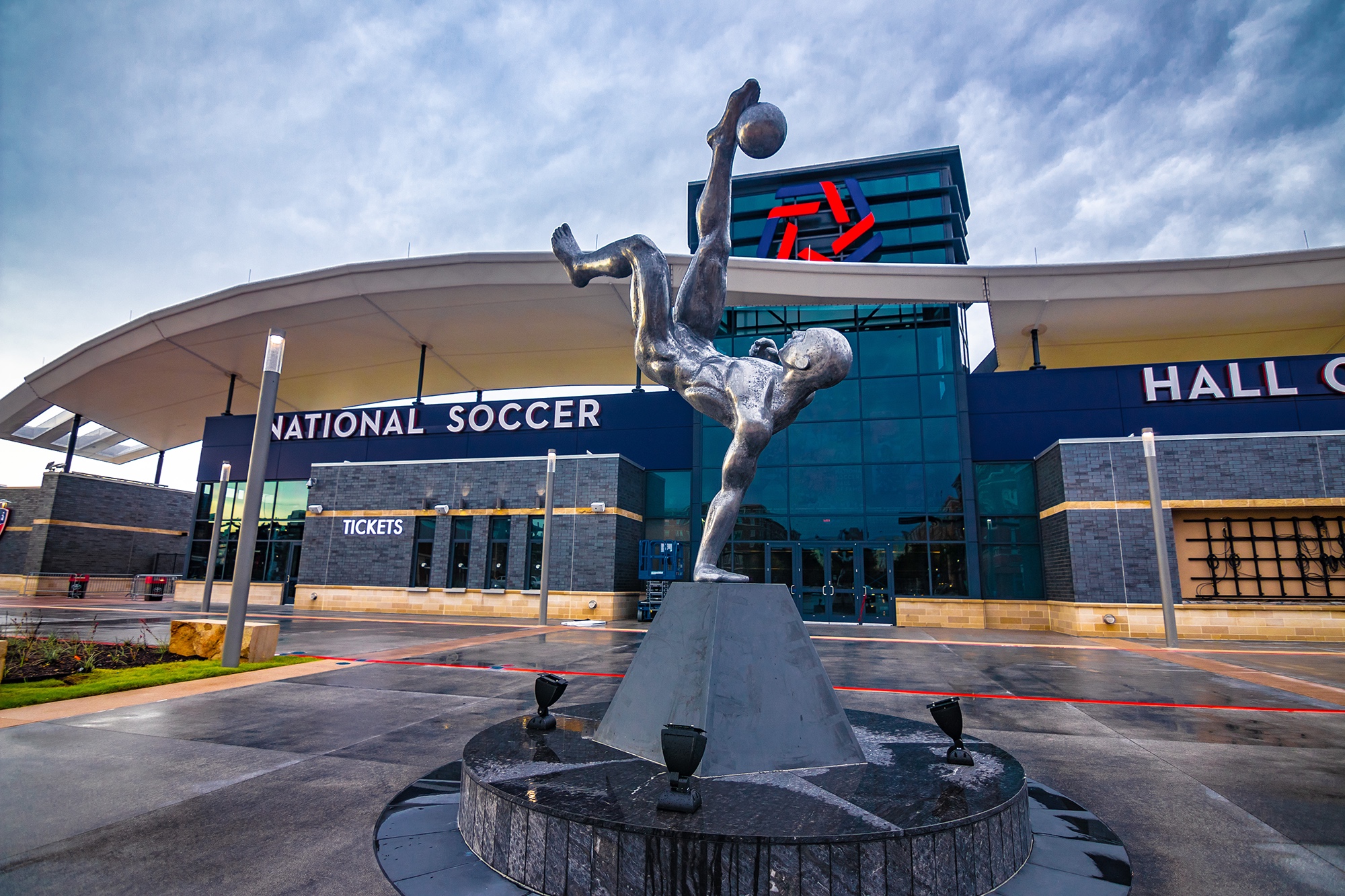
Success in hosting a global event requires more than just stadiums; it requires an ecosystem of support. The efforts of the Hunt family in Frisco, Texas—home to the National Soccer Hall of Fame—serve as a permanent testament to the history and future of the game. During the induction ceremony held in May 2024, the focus was not just on the players and coaches who have graced the pitch, but on the enduring institutional support that makes such excellence possible. By fostering an environment where both professional development and fan engagement can flourish, the Hunts have ensured that the United States remains a viable and enthusiastic host for the sport’s greatest tournament.
The upcoming tournament will see matches played across multiple cities in North America, with the United States, Canada, and Mexico sharing the hosting duties. This collaborative approach reflects a modern understanding of sports tourism and international cooperation. For the Hunt family, the 2026 World Cup serves as a bridge between the past, which they experienced alongside their father, and the future of a sport that continues to gain momentum across the globe.
Looking Toward the Future
As the international soccer community turns its eyes toward the 2026 tournament, the focus remains on the logistical and cultural impact of the event. The United States’ role as a two-time host is a significant distinction, one that would likely not have materialized without the foundational work of individuals like Lamar Hunt. His sons continue to carry that torch, balancing the weight of a historic legacy with the demands of a modern, fast-paced sports industry.
The next major updates regarding the FIFA World Cup 2026 will arrive as host cities continue to finalize their fan festival plans and security protocols ahead of the tournament’s official opening. For those interested in the ongoing developments, official information regarding scheduling, ticketing, and host city activities can be found through the official FIFA website. As the countdown continues, the story of the Hunt family serves as a reminder that the world’s most popular sport is built not just on the field, but on the dedication of those who believe in its potential to unite.
What are your thoughts on the impact of the Hunt family on American soccer? Share your insights in the comments below.
Related reading