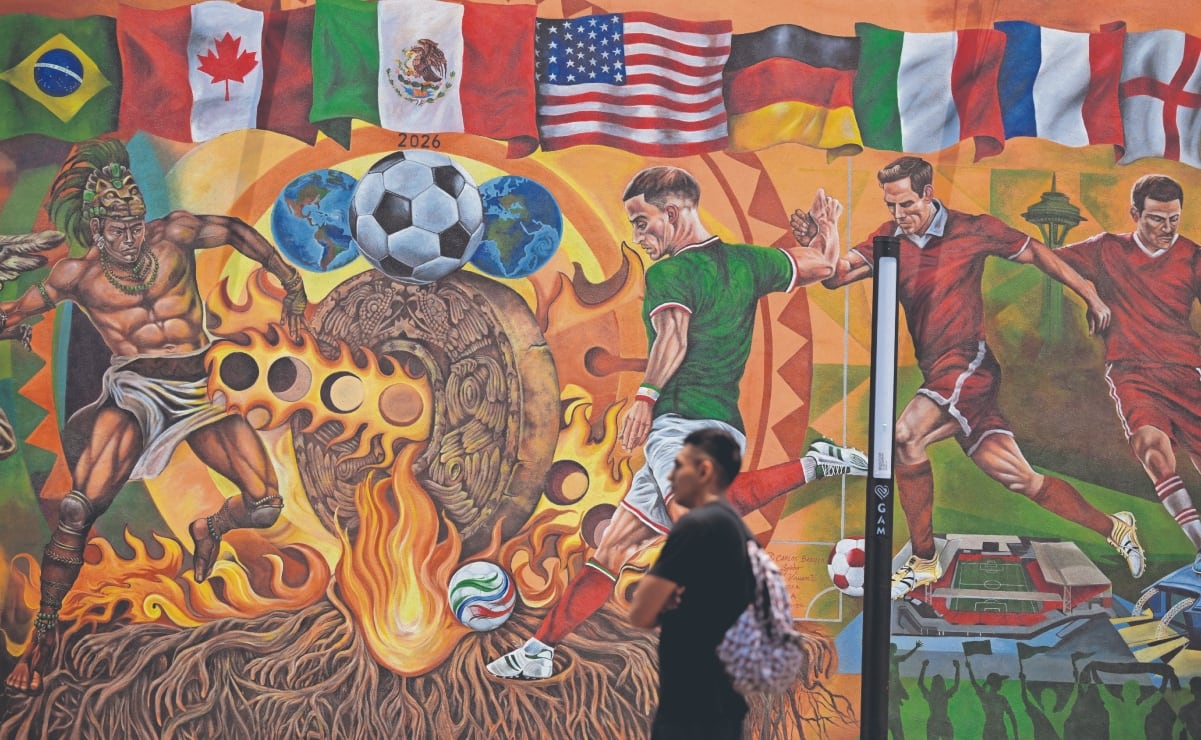
As the world turns its attention toward the upcoming FIFA World Cup, the tournament stands as more than a premier athletic competition. For global observers and geopolitical analysts, the event—scheduled to commence on June 11—functions as a high-stakes diplomatic stage. While the focus remains on the pitch, the tournament serves as a global showcase of soft power, where the intersection of sports, infrastructure, and international relations becomes unavoidable.
The 2026 tournament, hosted jointly by Canada, Mexico, and the United States, represents a unique logistical and diplomatic undertaking. As host nations prepare for the influx of millions of fans, the event highlights how major international sporting competitions are increasingly utilized to signal economic readiness, regional cooperation, and national prestige on the world stage.
The Geopolitical Landscape of Modern Sport
Sports diplomacy has long been a tool for nations to project influence and foster international dialogue. In the context of the World Cup, the scale of the event necessitates deep cooperation between sovereign governments, international governing bodies like FIFA, and local municipalities. This cooperation often extends beyond mere logistics, touching upon security, border policy, and economic trade agreements.

According to the U.S. Department of State, sports diplomacy remains a key pillar in building people-to-people connections that transcend traditional political friction. When nations co-host events of this magnitude, the requirement for seamless coordination often necessitates the creation of specialized working groups that manage everything from visa processing for international delegations to shared security protocols.
The economic stakes are equally significant. The World Cup acts as a catalyst for infrastructure development—ranging from stadium renovations to transportation upgrades—that often leave a lasting imprint on host cities. For the 2026 edition, the co-hosting model across North America reflects a broader trend of leveraging regional partnerships to share the financial and operational burden of hosting mega-events.
Navigating the Intersection of Policy and Play
While the goal of the tournament is athletic excellence, the reality of hosting in a fractured global climate presents challenges. Governments must balance the demands of hosting a global celebration with the practicalities of national security and domestic policy. This includes managing public expectations, ensuring the safety of participants and spectators, and maintaining the integrity of the competition itself.

In the lead-up to the event, stakeholders are increasingly focused on the “legacy” aspect of the tournament. This involves evaluating how the event will influence long-term tourism, trade relations, and the cultural perception of the host countries. The diplomatic utility of the World Cup is often measured by the ability of host nations to navigate these complex pressures while maintaining the “neutral” spirit of the sport.
Key Considerations for the 2026 Tournament
- Regional Cooperation: The necessity of harmonizing policies between Canada, Mexico, and the U.S. To ensure smooth cross-border travel for fans and media.
- Security Infrastructure: The deployment of coordinated law enforcement and intelligence resources to secure venues across diverse jurisdictions.
- Economic Impact: The long-term assessment of how municipal investments in public transit and stadium facilities will serve local populations post-tournament.
- Diplomatic Messaging: The use of the opening and closing ceremonies, as well as official side-events, to reinforce positive international relations among participating nations.
The Future of Mega-Events
As we look toward the start of the tournament, the focus will inevitably shift from the boardroom to the stadium. However, the diplomatic framework established in the years leading up to June 11 will remain a subject of study for economists and political scientists alike. The ability of the host nations to maintain a balance between commercial interests and the spirit of global unity will define the success of this World Cup beyond the final score.
For businesses and policymakers, the tournament serves as a litmus test for how nations manage large-scale collaboration in an era defined by rapid technological and geopolitical shifts. As the official FIFA updates continue to roll out in the coming weeks, stakeholders will be monitoring the implementation of these high-level agreements to see how they hold up under the pressure of global scrutiny.
The next major checkpoint for the tournament will be the finalization of venue-specific security and operational briefings, which are expected to be released by local organizing committees in the days preceding the opening match. Readers are encouraged to keep a close watch on official municipal portals and the FIFA tournament website for the most accurate and up-to-date travel and safety guidance.
What are your thoughts on the role of sports in modern diplomacy? Join the conversation in the comments section below and share this article with your professional network to keep the discussion moving.