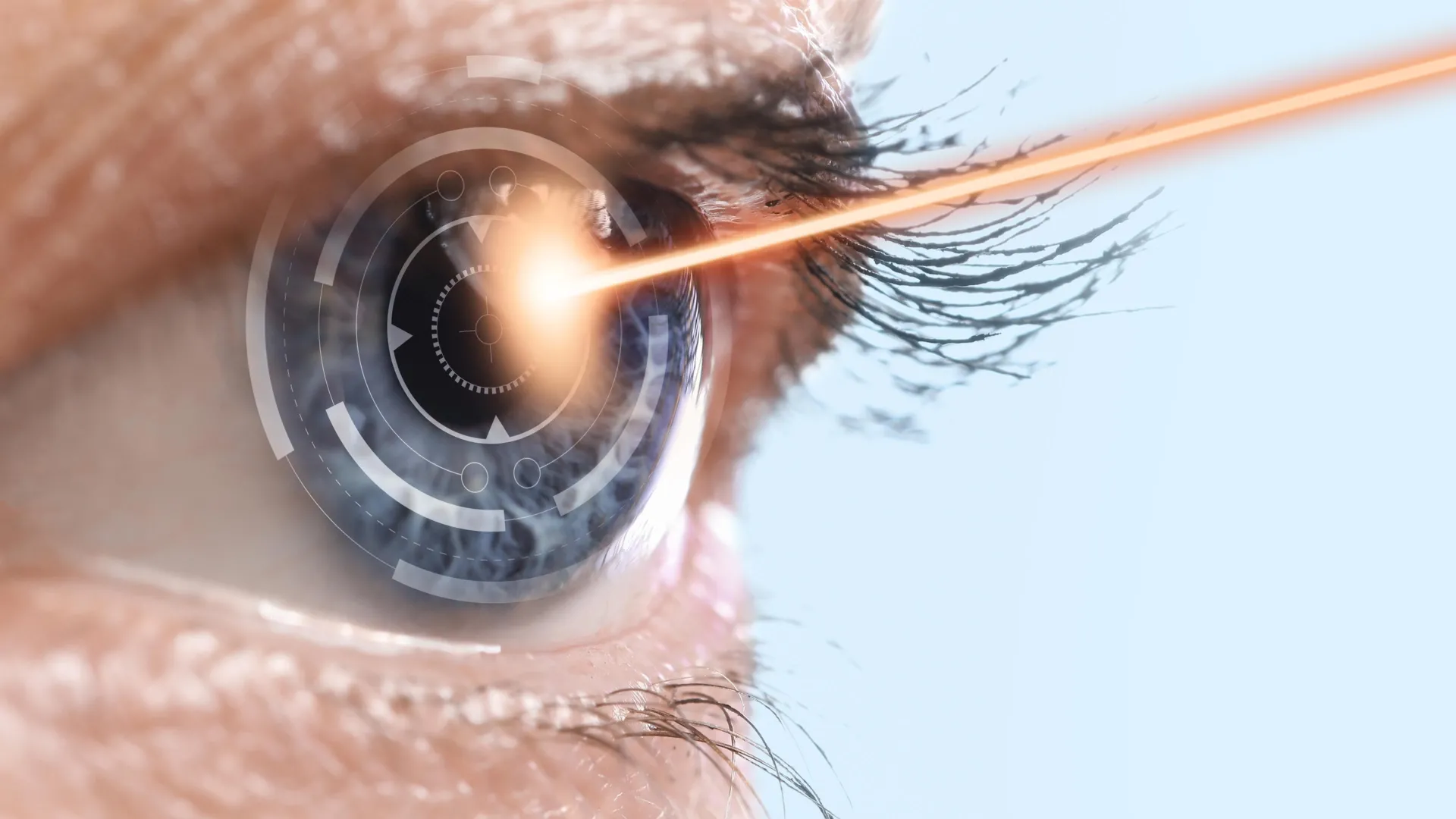
As we navigate the complexities of an aging global population, the preservation of vision remains a paramount concern for public health officials and clinicians alike. Age-related macular degeneration (AMD) stands as one of the most significant challenges in modern ophthalmology, affecting millions of individuals worldwide and often leading to a progressive loss of central vision. Recent research emanating from Aalto University in Finland has shed light on a novel, non-invasive approach that could potentially alter the trajectory of the “dry” form of this condition: the use of near-infrared light to stimulate cellular repair mechanisms in the eye.
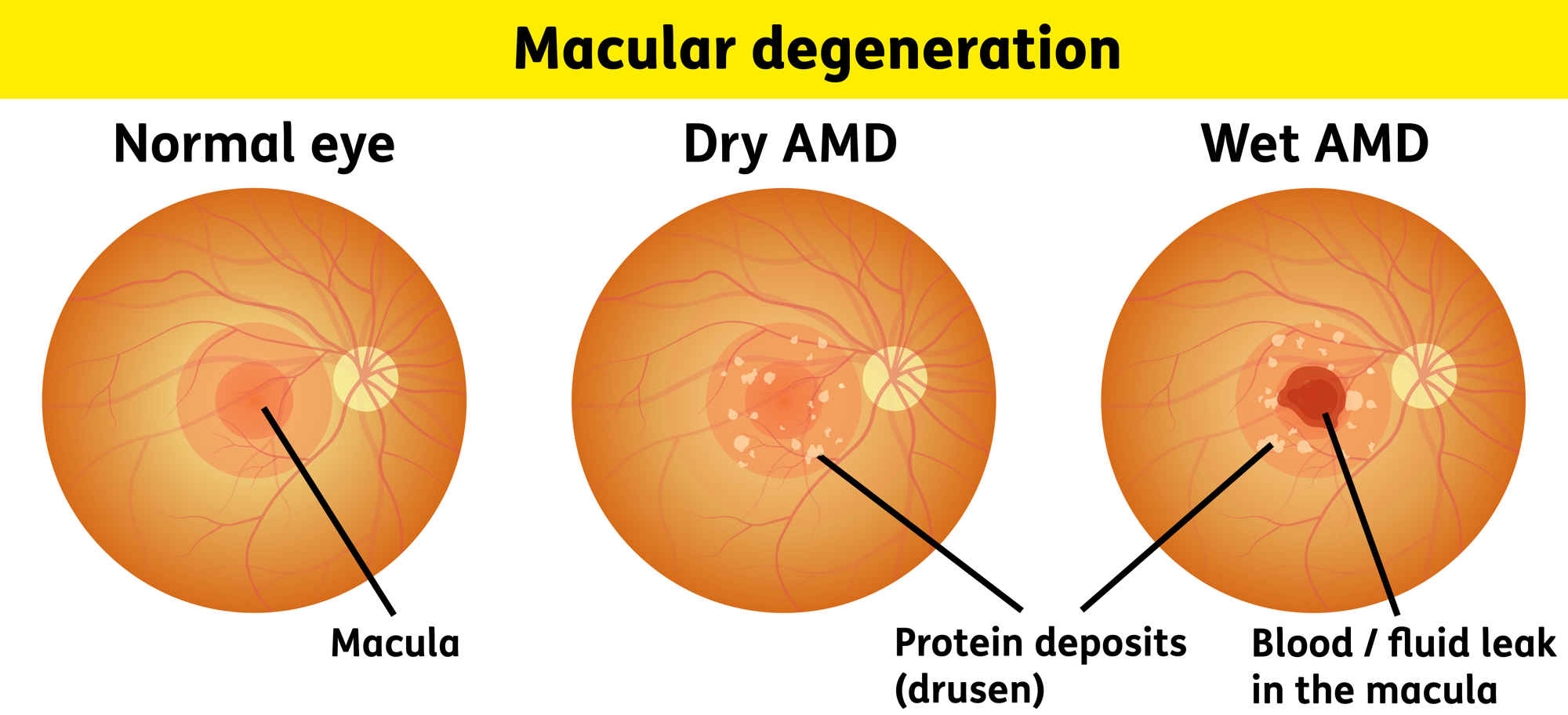
Dry AMD, characterized by the accumulation of cellular debris known as drusen beneath the retina, currently lacks a definitive cure. While various interventions are in development, the prospect of a gentle, heat-based therapy that triggers the body’s natural cleanup processes offers a compelling area of study. This experimental approach focuses on the retinal pigment epithelium (RPE), a layer of cells critical to the health of the photoreceptors responsible for our sight. By applying precise, low-level thermal energy, researchers are exploring whether we can essentially “reset” these cells before they reach a point of irreversible damage.
Understanding Dry AMD and the Limits of Current Care
To understand why this research is drawing attention, one must first look at the mechanics of the disease. Age-related macular degeneration is primarily categorized into two types: wet, and dry. While the wet form involves the growth of abnormal blood vessels and has been treatable with anti-VEGF injections for some time, the dry form—which affects approximately 80% to 90% of all AMD patients—has historically been managed through nutritional supplementation and lifestyle adjustments rather than disease-modifying therapies, according to the National Eye Institute.

The accumulation of waste products in the RPE cells leads to oxidative stress and inflammation, eventually causing cell death. The experimental procedure being investigated utilizes near-infrared light to gently elevate the temperature of these tissues. The underlying hypothesis is that this mild thermal stress activates heat-shock proteins and other intracellular pathways that facilitate the degradation and removal of toxic protein aggregates. It is a concept rooted in the principle of hormesis—the idea that a small, controlled dose of stress can actually stimulate a beneficial biological response.
The Science of Near-Infrared Stimulation
The research team at Aalto University has been utilizing advanced computational modeling and experimental setups to determine the exact parameters required for this treatment. Delivering heat to the back of the eye is a delicate balance; the goal is to provide enough thermal energy to activate repair pathways without causing thermal damage to the delicate retinal tissue. Using near-infrared light is strategic because of its ability to penetrate deeper into biological tissues with minimal absorption by surface structures, allowing for localized delivery to the posterior segment of the eye.
According to findings published in academic circles associated with the university’s research initiatives, the methodology involves monitoring the temperature changes in real-time to ensure patient safety. This is a critical distinction from traditional laser therapies, which often aim to coagulate or destroy specific tissue. Instead, this proposed method is intended to be regenerative or, at the very least, protective. By maintaining the integrity of the RPE, the hope is to slow the progression of geographic atrophy—the advanced stage of dry AMD where retinal cells die off, leading to significant vision loss.
Potential Impact on Global Public Health
The global prevalence of AMD is projected to increase significantly as the population ages. Data suggests that the number of people living with some form of macular degeneration could rise to nearly 288 million by 2040, as reported by the Journal of the American Medical Association (JAMA) Ophthalmology. Given these projections, the development of a cost-effective, non-surgical, and potentially repeatable treatment could be a game-changer for healthcare systems globally.
If clinical trials eventually validate this approach, it would represent a significant shift from “watchful waiting” to active, preventive intervention. For the patient, In other words the possibility of maintaining independence and quality of life for years longer than currently expected. However, it is vital for readers to distinguish between experimental laboratory findings and clinically approved medical procedures. While the results from Aalto University are promising, they are currently in the pre-clinical or early experimental phases. Rigorous human clinical trials are the mandatory next step to ensure efficacy and long-term safety before such a device could ever reach a doctor’s office.
Key Considerations for Patients and Families
- Consult a Specialist: Always discuss new research with a board-certified retina specialist. They can provide context on whether specific clinical trials are currently enrolling patients.
- Standard of Care: Continue to follow established medical guidelines, such as the AREDS2 formula if recommended by your ophthalmologist, which has been shown to slow the progression of intermediate AMD to advanced stages.
- Monitor Symptoms: Utilize an Amsler grid to monitor for sudden changes in central vision, which may indicate a transition from dry to wet AMD, requiring urgent medical attention.
What Happens Next: The Road to Clinical Validation
The transition from a successful laboratory model to a viable clinical treatment is a long and highly regulated process. Researchers must now demonstrate that the thermal stimulation can be consistently and safely delivered in human eyes across diverse patient populations. This involves navigating the stringent requirements of medical device regulators, such as the U.S. Food and Drug Administration (FDA) or the European Medicines Agency (EMA), which oversee the safety and efficacy of such innovations.
Future updates will likely focus on the design of the delivery system—likely a specialized laser or light-emitting device—and the results of initial safety studies. We will continue to monitor the progress of this research as it moves through the peer-review process and potential clinical trial phases. For those interested in tracking the development of new treatments for macular degeneration, the ClinicalTrials.gov database remains the most reliable resource for identifying active research programs that are recruiting participants.
As we look toward the future of ophthalmology, innovation in light-based therapies offers a bright, albeit still distant, beacon of hope. For now, the best strategy remains regular, comprehensive eye exams and proactive management of known risk factors like smoking, hypertension, and diet. We invite you to share your thoughts or questions in the comments section below, and stay tuned to our health pages for further updates on this developing story as more peer-reviewed data becomes available.