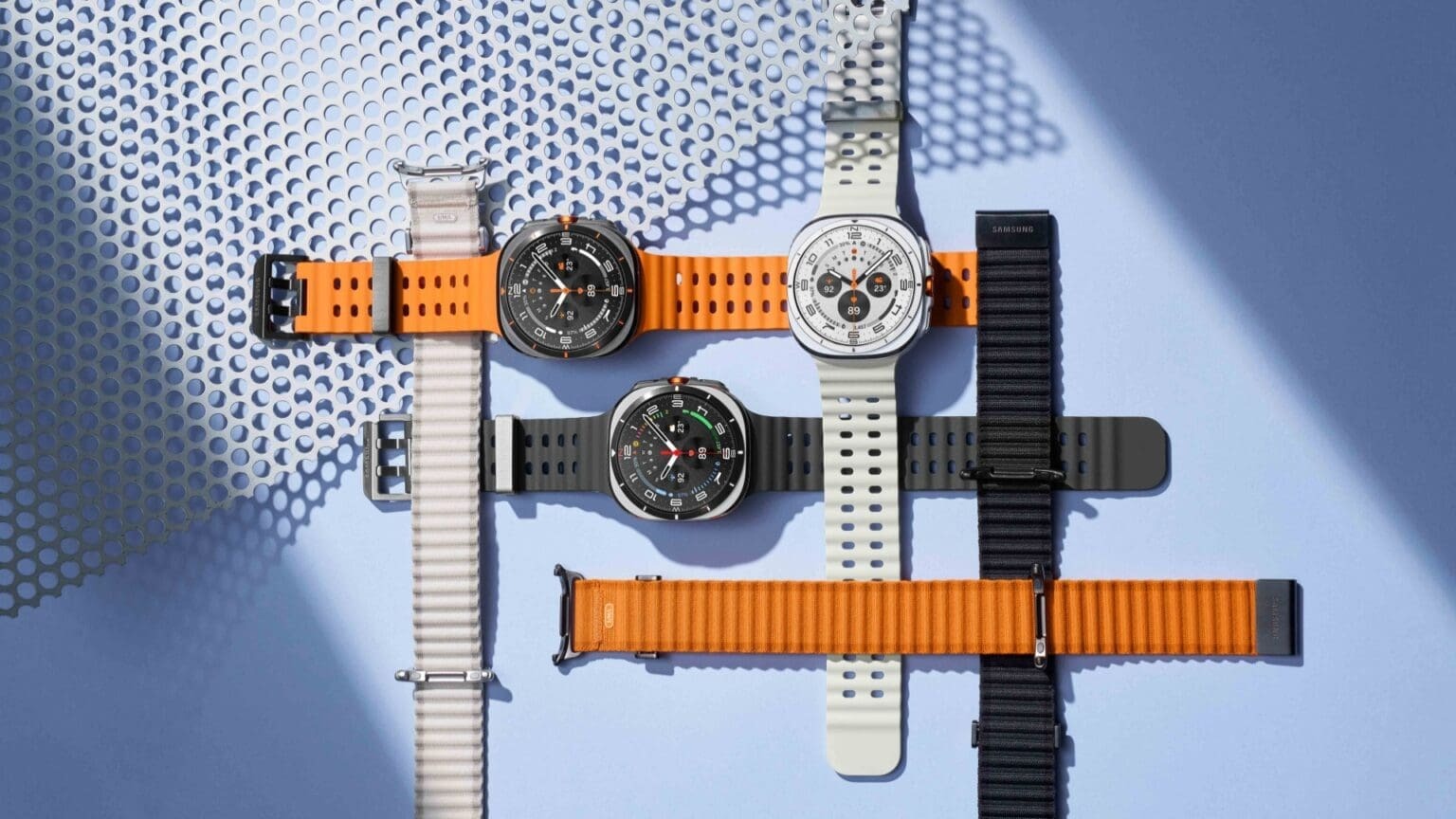
As Samsung continues to refine its wearable technology ecosystem, recent industry discussions have centered on potential shifts in the hardware strategy for the company’s high-end smartwatch line. For consumers who prioritize advanced health tracking and premium build quality but may not require constant cellular connectivity, the prospect of a more accessible, non-5G variant of the Galaxy Watch Ultra series has become a significant point of interest among tech enthusiasts.
The Samsung Galaxy Watch Ultra series currently represents the apex of the company’s wearable offerings, designed to compete in the high-performance segment of the market. While Samsung maintains a robust portfolio of mobile devices, smartwatches, and home electronics, as outlined in the company’s official product documentation, the specific configuration of future hardware remains subject to internal development cycles and market strategy adjustments. As a technology editor, I have spent years tracking how large-scale manufacturers like Samsung balance hardware innovation with price-point accessibility, a challenge that remains central to the global consumer electronics landscape.
Evaluating the Shift in Wearable Hardware Strategy
The conversation around a potential non-5G model of the Galaxy Watch Ultra 2 highlights a broader trend in the industry: the decoupling of premium hardware features from mandatory cellular capabilities. Historically, the “Ultra” designation in the smartphone and wearable space has been synonymous with a “maxed-out” feature set. However, market demand suggests that many users are seeking the durability and battery efficiency of high-end models without the recurring costs or battery drain associated with integrated cellular radios.
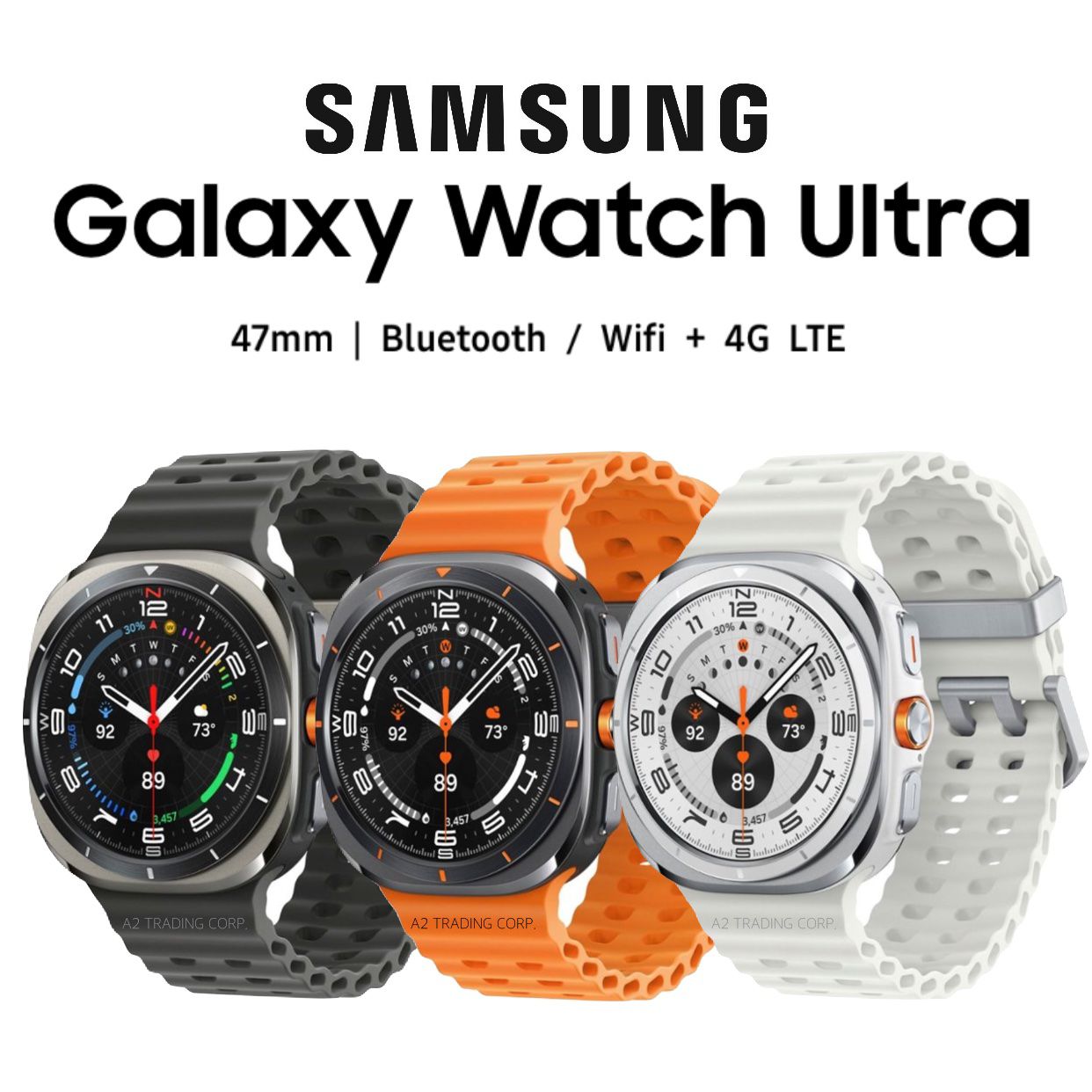
According to historical data on the conglomerate’s growth, Samsung Electronics—a key subsidiary of the Samsung Group—has consistently adapted its product lineup to meet evolving global demand, as documented in the company’s corporate history records. By potentially offering a version of the Galaxy Watch Ultra 2 that relies exclusively on Bluetooth and Wi-Fi, Samsung could theoretically lower the entry price for its top-tier wearable, effectively broadening its reach to a demographic that values the device’s sensors and materials over its independent connectivity.
While the technical specifications of unreleased products are often the subject of speculation, the strategy of “cost-optimization” through feature tiering is a well-established practice in the tech sector. By removing the cellular modem, manufacturers can reduce both the bill-of-materials (BOM) cost and the physical space occupied by components, potentially allowing for internal layout changes or, as some industry observers have noted, greater room for battery capacity.
What This Means for the Consumer
For the average user, the distinction between a 5G-capable watch and a Bluetooth-only model often comes down to lifestyle requirements. A 5G-enabled device offers the freedom to leave a smartphone behind during outdoor activities, such as running or cycling, while maintaining access to navigation and emergency communication. Conversely, a non-5G model is generally more efficient in terms of power consumption, as cellular radios are notoriously power-hungry.
The potential for an “Ultra” experience without the cellular premium aligns with Samsung’s broader goals to improve smartwatch endurance and usability. As the company continues to iterate on its proprietary software and hardware integration, balancing these features becomes an exercise in segmentation. Whether Samsung will officially move forward with a non-cellular version of its next flagship remains to be seen, as the company has not issued a formal statement regarding the specific configurations of the upcoming Galaxy Watch Ultra 2.
Future Outlook and Industry Benchmarks
As we look toward the next cycle of product announcements, the primary benchmark for success will be how well the device maintains its “Ultra” identity. This includes the build materials, the sophistication of the health-tracking sensors, and the longevity of the battery. For those following the trajectory of the Samsung brand, the company’s status as a global leader in technology, with a brand value consistently ranked among the world’s highest, grants it significant leverage in setting these hardware trends.
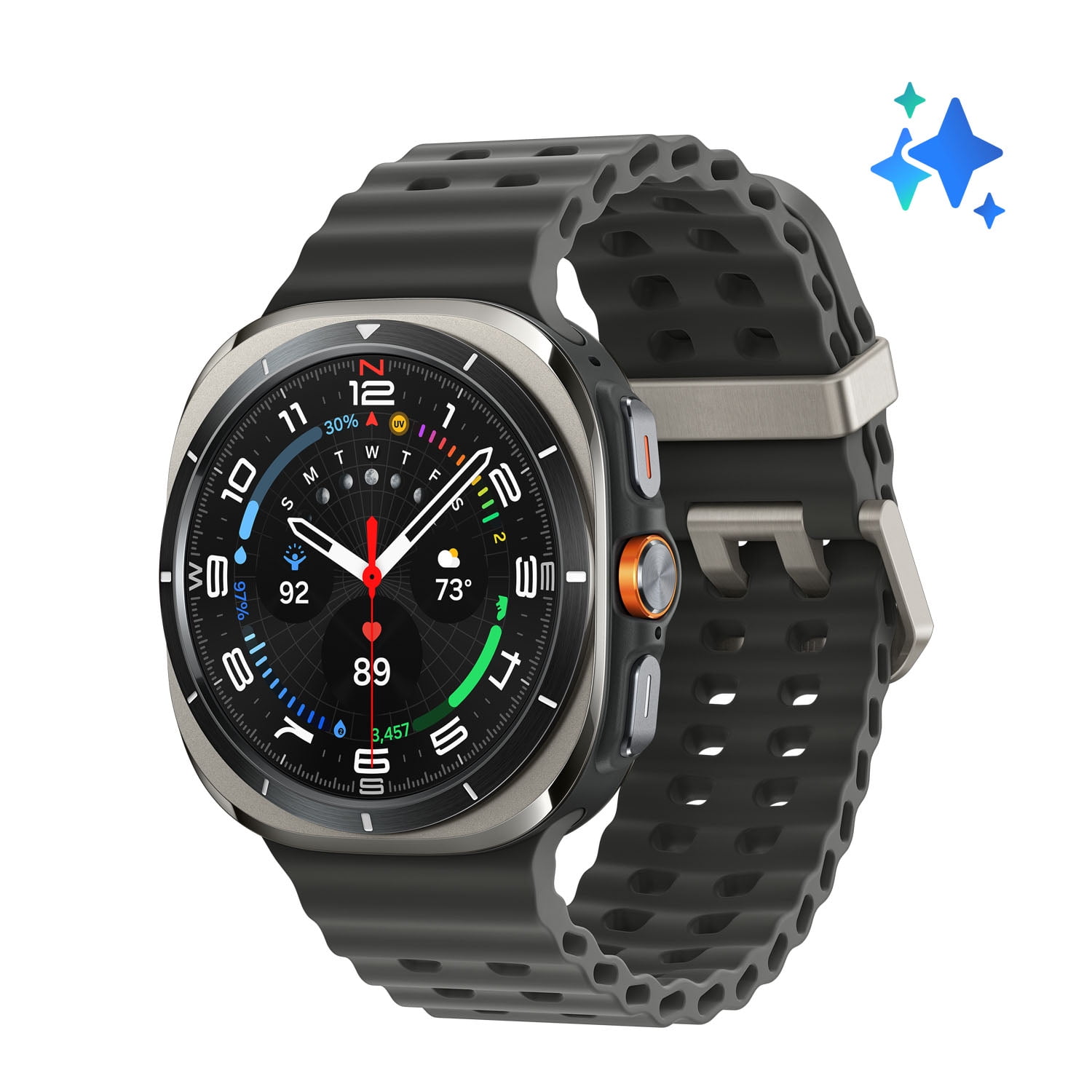
We will continue to monitor official press releases and regulatory filings for any confirmed details regarding the Galaxy Watch Ultra 2. In the fast-paced world of consumer electronics, official specifications are typically revealed only during formal launch events or via verified regulatory database entries. Readers are encouraged to stay tuned to our Tech section for updates on this developing story as more concrete information becomes available.
What are your thoughts on the trade-off between cellular connectivity and price in premium wearables? Would you opt for a high-end, non-5G smartwatch if it meant a lower price point and potentially better battery life? Share your thoughts in the comments below, and be sure to check back for our comprehensive coverage of upcoming product releases.
Keep reading