
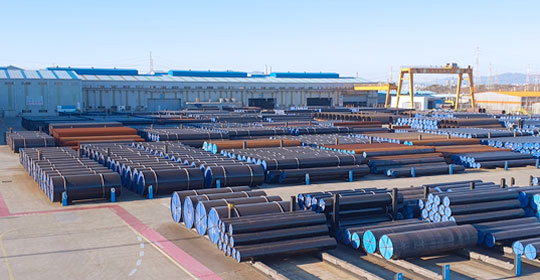
Nippon Steel Corporation, a titan of the global steel industry, has officially announced its strategic withdrawal from its welded large-diameter steel pipe business in Saudi Arabia. The decision, disclosed by the company on May 27, marks a significant shift in the Japanese manufacturer’s international portfolio as it moves to streamline operations and reallocate resources toward more core-focused growth sectors.
As part of this divestment, Nippon Steel will transfer its entire 35% equity stake in the National Pipe Company (NPC), a prominent local pipe manufacturer based in Saudi Arabia. The move comes at a time when major industrial players are increasingly scrutinizing their overseas ventures against shifting geopolitical landscapes and evolving market demands in the Middle East. For investors and industry analysts, the move provides a clear signal regarding Nippon Steel’s evolving strategy for its global supply chain.
Strategic Realignment in the Middle East
Nippon Steel’s decision to exit the Saudi Arabian joint venture follows a broader pattern of corporate restructuring aimed at optimizing capital efficiency. By divesting from the National Pipe Company, the company is effectively ending a long-standing partnership that had previously served as a cornerstone of its presence in the Saudi energy infrastructure market. The move is particularly notable given the high demand for large-diameter steel pipes in the region, which are essential for oil and gas pipeline projects.

The steel industry is currently navigating a complex environment characterized by fluctuating raw material costs and intensified competition from regional producers. For Nippon Steel, this exit is not merely a divestment but a recalibration of its international footprint. The company has indicated that its future efforts will prioritize high-value-added products where it maintains a distinct technological advantage, particularly as it seeks to meet global sustainability targets and decarbonization goals within the steel manufacturing process.
Market Implications and Future Outlook
The impact of Nippon Steel’s departure from the Saudi joint venture will be felt primarily by regional stakeholders involved in energy infrastructure development. With the company offloading its 35% stake, the ownership structure of the National Pipe Company will undergo a transition, as the equity is slated to be acquired by Indian interests. This shift underscores the growing influence of Indian industrial firms in Middle Eastern infrastructure projects, a trend that has been accelerating over the past several years.

Analysts monitoring the sector suggest that while Nippon Steel is reducing its physical presence in the Saudi pipe manufacturing sector, it remains a key player in the global steel market. The company continues to push forward with its ambitious capital expenditure plans, focusing on advanced production techniques and strengthening its domestic base in Japan. The departure from Saudi Arabia should be viewed as a tactical decision rather than a retreat from the global market, allowing the firm to concentrate its financial and technical resources on its most profitable segments.
Key Considerations for the Steel Sector
- Portfolio Optimization: Major steelmakers are increasingly divesting from non-core assets to focus on high-margin products.
- Regional Shifts: The transfer of equity to Indian interests highlights the evolving landscape of international industrial partnerships in the Middle East.
- Resource Allocation: Nippon Steel is redirecting capital toward innovation and sustainability-focused manufacturing initiatives.
As Nippon Steel concludes this chapter of its international business, the industry will be watching closely to see how the company’s revised strategy impacts its competitive standing in the coming fiscal year. The transition is expected to be completed in accordance with local regulatory requirements in Saudi Arabia, ensuring a smooth handover of operations to the new stakeholders.
For those tracking these developments, further information regarding Nippon Steel’s consolidated financial results and future corporate strategy can be found on the company’s official investor relations portal. We will continue to monitor the situation as the transfer of equity proceeds and as further details regarding the long-term impact on the regional pipe supply chain emerge.
What are your thoughts on Nippon Steel’s shift in strategy? Share your insights in the comments section below, and be sure to check back for updates on this developing story.