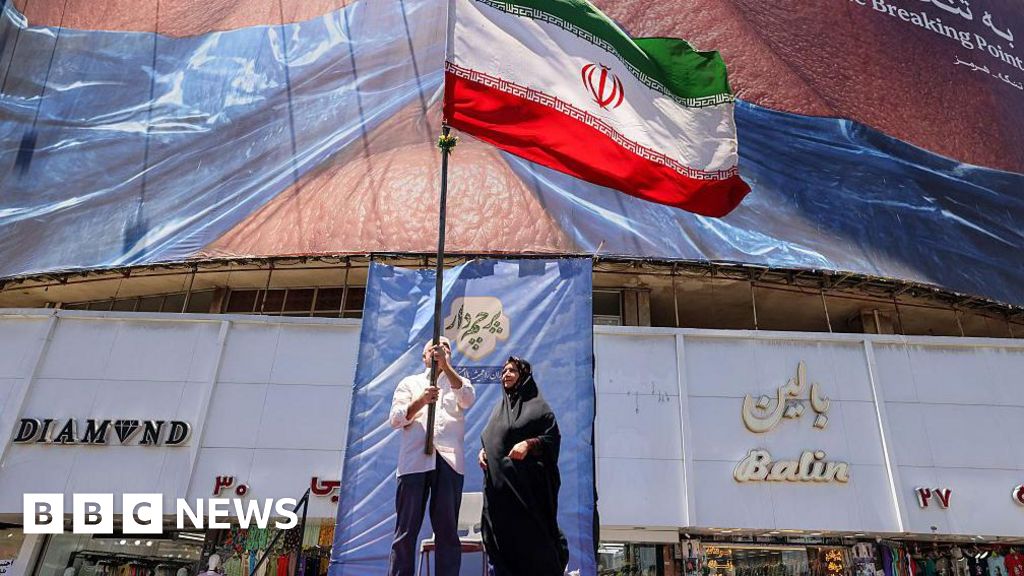
As the international community monitors the precarious stability in the Middle East, recent reports indicate that the United States and Iran have reached a tentative agreement to extend the current ceasefire. This development, which remains subject to final approval by the incoming Trump administration, marks a potential, albeit fragile, pivot in a period of heightened regional tension. For global observers, the prospect of a prolonged pause in hostilities offers a brief window for diplomatic maneuvering, though the path ahead remains complicated by deeply entrenched geopolitical grievances.
The core of this tentative deal involves maintaining the cessation of direct military engagements, a move that officials hope will stabilize the volatile maritime corridors in the region. While the agreement has been characterized as a significant step toward de-escalation, it is not yet a permanent resolution. The reliance on the incoming administration’s final sign-off underscores the transition phase currently defining U.S. Foreign policy, as outlined in the latest U.S. Department of State briefings regarding ongoing regional stability efforts.
Understanding the Current Diplomatic Framework
The negotiations, which have unfolded behind closed doors, are focused on preventing a broader regional conflagration. According to reports from international news agencies, the primary objective of this extension is to create the necessary conditions to address long-standing nuclear proliferation concerns and the security of vital shipping lanes, most notably the Strait of Hormuz. The Strait remains one of the world’s most critical maritime chokepoints, through which a significant portion of the global oil supply passes daily, as documented by the U.S. Energy Information Administration.
Diplomats involved in the process suggest that the agreement is contingent upon reciprocal restraint. For the United States, the priority is ensuring that its regional partners are protected from direct attacks, while Tehran’s stated focus remains on the lifting of economic sanctions and the preservation of its sovereign interests. This delicate balance is currently being managed through back-channel communications, as there is no formal diplomatic relationship between the two nations.
The Role of the Transition Period
A critical factor in the longevity of this tentative ceasefire is the incoming U.S. Administration. President-elect Donald Trump, who has historically favored a “maximum pressure” campaign against Iran, will inherit this agreement upon his inauguration. The uncertainty surrounding his administration’s specific policy toward Tehran has led some analysts to remain cautious about the deal’s durability. The White House has historically managed these transitions with extreme sensitivity to prevent power vacuums that could be exploited by hostile state or non-state actors.

Market analysts are watching these developments closely, as the prospect of renewed conflict often triggers volatility in global energy markets. The potential for a sustained ceasefire has provided some relief to investors, though many remain wary of the rhetoric emanating from both Washington and Tehran. The stability of the region is inextricably linked to the global economic outlook, particularly as central banks continue to navigate inflationary pressures.
Key Takeaways: What This Means for Global Stability
- Ceasefire Extension: A tentative agreement has been reached to extend the cessation of hostilities, though it is not yet finalized.
- The Transition Factor: Final implementation of the agreement is pending approval from the incoming U.S. Administration, creating a period of strategic uncertainty.
- Maritime Security: The focus remains on keeping the Strait of Hormuz open for international trade, a vital concern for global energy security.
- Diplomatic Challenges: The lack of direct diplomatic ties between the U.S. And Iran continues to complicate the long-term sustainability of any ceasefire.
Looking Ahead: The Path to Nuclear Talks
Beyond the immediate ceasefire, You’ll see indications that both parties may be willing to return to the negotiating table to discuss Iran’s nuclear program. These discussions, if they materialize, would likely face immense hurdles, given the collapse of the 2015 Joint Comprehensive Plan of Action (JCPOA). The International Atomic Energy Agency (IAEA) continues to provide regular updates on Iran’s nuclear activities, which remain a central point of contention in any broader diplomatic settlement.

For the international community, the goal is to prevent nuclear escalation while simultaneously addressing the regional proxy conflicts that have fueled the recent cycle of violence. The coming months will be a test of whether diplomacy can prevail over the escalatory dynamics that have defined U.S.-Iran relations for decades. As we await further clarity on the incoming administration’s stance, the world remains in a state of watchful waiting.
The next major checkpoint for this situation will be the inauguration of the new U.S. Administration, which is expected to set the tone for future engagement. We will continue to track these developments as official statements are released and as the diplomatic process evolves. We invite our readers to share their thoughts on these developments in the comments section below, as we continue to provide balanced, fact-checked coverage of this unfolding story.