
As a sports journalist who has spent over a decade documenting the intersection of human performance and global impact, I have often observed how high-profile entities leverage their platforms to drive social change. Recently, the long-standing partnership between Louis Vuitton and UNICEF has reached a significant milestone, marking a decade of collaborative efforts aimed at supporting vulnerable children across the globe. This partnership, which has evolved significantly since its inception, continues to utilize the intersection of luxury craftsmanship and philanthropy to address critical humanitarian needs.
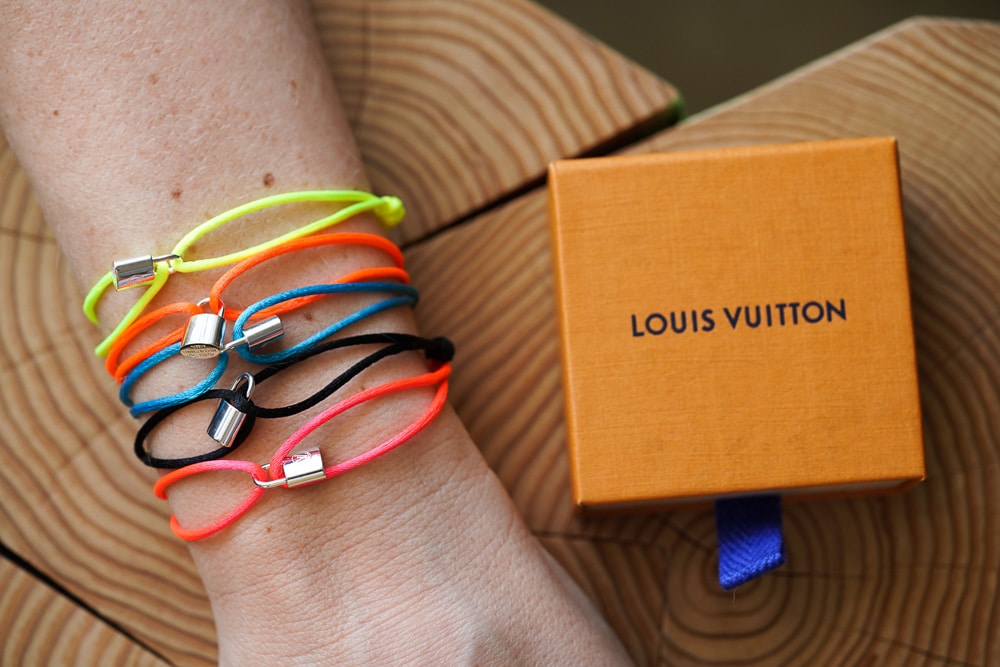
The Louis Vuitton x UNICEF partnership represents a sustained commitment to humanitarian aid, primarily channeled through the brand’s iconic Silver Lockit collection. Since the collaboration began in 2016, the initiative has sought to provide life-saving support, including access to clean water, sanitation, nutrition, and education for children in emergency situations. For those following the evolution of corporate social responsibility in the luxury sector, this decade-long endeavor serves as a case study in how global fashion houses can maintain long-term, tangible engagement with international aid organizations.
According to official documentation, the Silver Lockit was inspired by the unpickable tumbler lock, invented by Georges Vuitton in 1890 to protect clients’ most precious belongings. By repurposing this symbol of protection for a charitable cause, the partnership effectively bridges the brand’s historical identity with its modern-day social advocacy. Detailed information regarding the ongoing progress and specific regional impacts of these funds can be accessed through the official UNICEF partnership portal, which tracks the global reach of these contributions.
A Decade of Philanthropic Innovation
The endurance of this collaboration is rooted in its ability to adapt. While the core mission remains the protection of vulnerable children, the strategies employed have expanded beyond traditional product sales. Over the past ten years, the initiative has incorporated elements of art, high-end design, and digital engagement to keep the cause at the forefront of public consciousness. This multi-faceted approach ensures that the partnership does not merely function as a static donation model, but as a dynamic campaign that resonates with a global audience.
Central to this effort is the consistent release of the Silver Lockit, which has seen various iterations over the years. These pieces are more than jewelry. they act as a tangible link between the consumer and the humanitarian work being performed on the ground. The funds raised through these sales are directed toward UNICEF’s programs, which operate in some of the most challenging environments worldwide. For a comprehensive overview of how these funds are allocated, readers may consult the Louis Vuitton for UNICEF official campaign page, which outlines the specific areas of intervention, including emergency relief and long-term development projects.
The Intersection of Luxury and Social Responsibility
In my years covering global events, I have noticed that the most effective charitable campaigns are those that remain transparent about their objectives. The Louis Vuitton and UNICEF collaboration is notable for its longevity. Maintaining such a partnership for ten years requires not only financial stability but also a shared vision for global welfare. The involvement of various cultural figures and ambassadors has further amplified the message, helping to raise awareness among younger demographics who are increasingly concerned with the social impact of the brands they support.
the impact of this collaboration is measured in real-world outcomes. UNICEF’s work, supported by partners like Louis Vuitton, is audited and reported through standardized international humanitarian frameworks. By aligning with a major organization like UNICEF, Louis Vuitton ensures that its contributions are subject to rigorous oversight, which is a critical component for any long-term philanthropic success. For those interested in the governance and reporting standards of such partnerships, the UNICEF transparency portal provides detailed insights into how resources are utilized to meet the needs of children in crisis.
Future Directions and Continued Commitment
As we look toward the future, the focus remains on scaling the impact of these efforts. The celebration of the 10-year anniversary is not merely a retrospective; This proves a catalyst for continued action. The challenges facing children globally—from climate-related crises to the aftermath of conflicts—are evolving, and the response mechanisms must evolve accordingly. The partnership continues to explore new ways to engage the public, ensuring that the spirit of the “Make a Promise” campaign remains vibrant.

For readers who wish to stay informed on the latest developments, future product launches, or updates regarding the humanitarian impact of these efforts, the official channels of both organizations remain the most reliable sources. It is through these verified updates that the public can track the evolution of the project and understand the ongoing necessity of such corporate-humanitarian alliances. The next phase of this collaboration will likely continue to emphasize the integration of artistic expression with the urgent need for global aid, ensuring that the momentum built over the last decade is carried forward into the next.
I encourage our readers to engage with this topic further. Whether you are interested in the evolution of luxury branding or the mechanisms of global philanthropy, your perspective is valuable. Please feel free to share your thoughts in the comments section below, and stay tuned to our sports and lifestyle channels for further coverage on how global institutions are shaping the future of social responsibility.