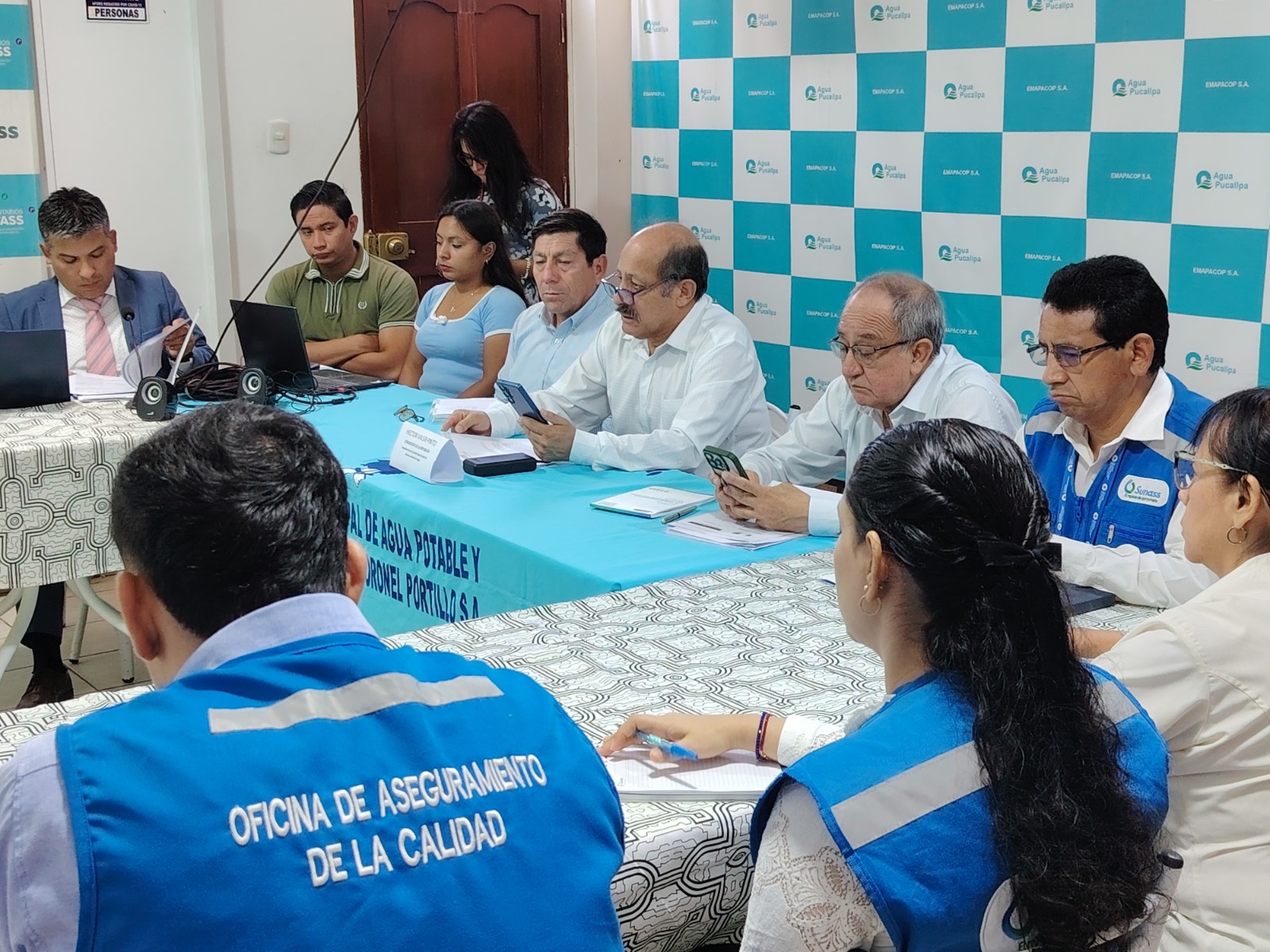
The pursuit of equitable resource distribution remains a top priority for regional development in Peru, as the Comisión de Acceso Universal al Agua—the congressional committee dedicated to ensuring water security—continues its efforts to address infrastructure gaps across the country. Recently, the commission held a significant working session in Pucallpa, the capital of the Ucayali Region, to evaluate the current state of water service coverage and sanitation in the Amazonian basin.
Led by Congressman Héctor Valer, the committee’s visit to the Ucayali Region underscores a broader legislative push to tackle the persistent challenges of water access in rural and peri-urban areas. According to official data from the Ministry of Housing, Construction and Sanitation, bridging the gap between urban centers and isolated communities remains a critical hurdle in meeting the government’s Sustainable Development Goals regarding water and sanitation.
Addressing Water Infrastructure in the Ucayali Region
Pucallpa, a city defined by its proximity to the Ucayali River, faces unique geographical and logistical challenges that complicate the delivery of potable water. During the session, local stakeholders and regional authorities presented evidence regarding the current limitations of the municipal distribution networks. The commission’s investigation focuses on how federal oversight can better support local utilities to ensure that the constitutional right to water—as recognized by Law No. 30588—is upheld for all residents, regardless of their proximity to existing infrastructure.
Congressman Valer emphasized that the goal of these descentralized sessions is not merely to observe but to create actionable legislative frameworks that hold regional entities accountable while identifying necessary budget allocations. The Congress of the Republic of Peru continues to prioritize these field visits as a means of gathering firsthand data on the operational status of water treatment plants and the extent of non-potable water reliance in high-risk zones.
Key Challenges in Achieving Universal Access
The discussions in Pucallpa highlighted several recurring themes that the Commission of Universal Access to Water is currently investigating at the national level:
- Geographic Barriers: The difficulty of extending piped water systems through dense jungle terrain and flood-prone areas.
- Sanitation Deficits: The urgent need for improved sewage treatment to prevent the contamination of local water sources.
- Budgetary Constraints: The disparity between the funds requested by regional municipalities and the federal resources currently authorized for infrastructure development.
- Regulatory Compliance: Ensuring that local water service providers meet the technical standards set by the Superintendencia Nacional de Servicios de Saneamiento (SUNASS).
Legislative Oversight and Future Steps
The commission’s work is part of a larger, long-term strategy to standardize water management protocols across Peru’s diverse regions. By meeting with local leaders in Ucayali, the committee aims to synthesize regional demands into a comprehensive policy report. This report is expected to influence future debates on the National Budget Law, specifically concerning the allocation of resources for the National Sanitation Plan.
For residents and stakeholders, the commission’s presence in Pucallpa serves as a vital channel for transparency. It allows for a public accounting of projects that have stalled or failed to meet their operational deadlines. As the committee prepares to present its findings to the Plenary of the Congress, the focus remains on ensuring that the voices of those currently lacking consistent water access are represented in the final legislative proposals.
What So for Local Residents
The involvement of the legislative branch in local water management signifies a shift toward more rigorous oversight of public utilities. For the people of Pucallpa, this means that projects intended to expand service coverage are now subject to higher levels of scrutiny. Residents are encouraged to stay informed by monitoring the official Congressional Portal for updates on committee hearings and published legislative reports.

As the commission continues its tour of the country, the next steps will involve a rigorous review of the technical proposals submitted during the Pucallpa session. The committee is expected to schedule follow-up hearings in Lima to cross-reference the data gathered in the field with the reports provided by the Ministry of Housing. These upcoming sessions will be critical in determining whether existing projects will be fast-tracked or if new, more localized solutions are required to reach the goal of universal water access.
We invite our readers to join the conversation regarding water security and regional infrastructure. How do you see these legislative efforts impacting the quality of life in your community? Share your thoughts in the comments section below, and stay tuned to our ongoing coverage of national policy developments.
Keep reading