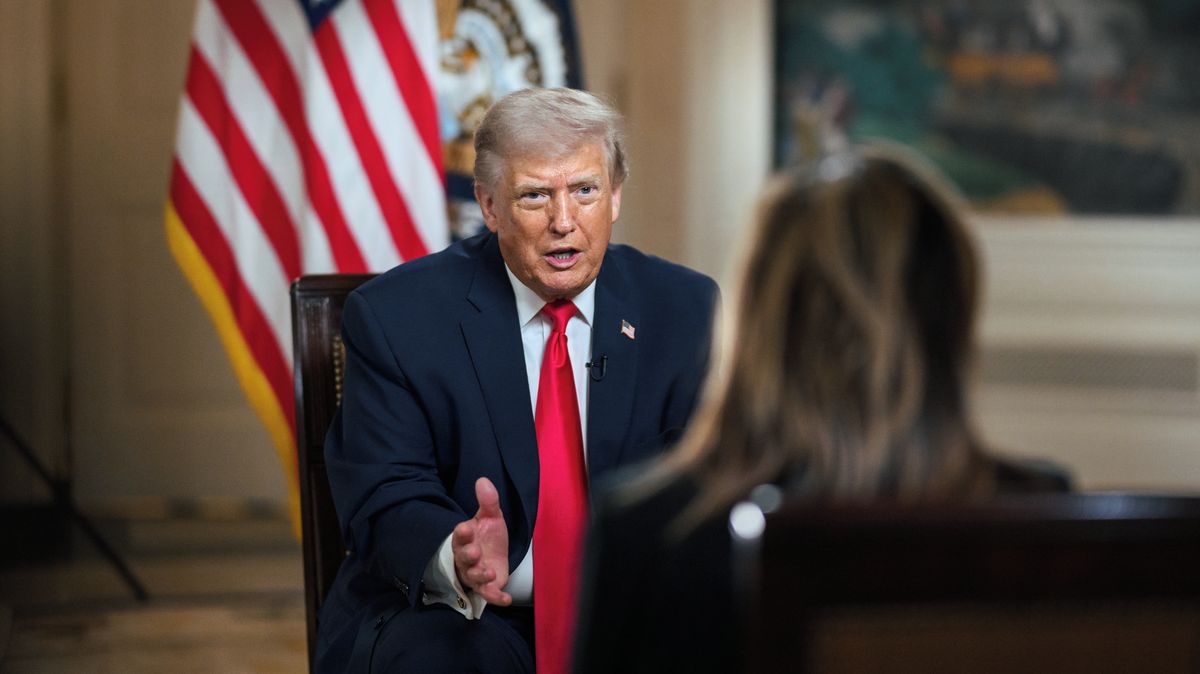
In the complex landscape of American fiscal policy and political symbolism, recent reports have circulated regarding a proposal to introduce a $250 banknote featuring the portrait of former President Donald Trump. While the concept of commemorative or novelty currency often surfaces in political discourse, the authority to design and issue United States legal tender remains strictly governed by federal law and established institutional processes.
As the Editor for the World section here at World Today Journal, I have spent over 14 years tracking how political narratives intersect with national institutions. When stories emerge suggesting radical changes to the bedrock of a country’s financial system—such as the introduction of a new denomination—it is essential to separate political messaging from the regulatory reality of the U.S. Treasury and the Federal Reserve.
The circulation of claims regarding a “Trump banknote” appears to stem from social media discourse and unofficial political advocacy rather than any formal legislative or administrative action. To understand why such a proposal faces insurmountable institutional hurdles, one must look at the specific legal framework that dictates how American currency is created and updated.
The Governance of U.S. Currency
The authority to issue currency in the United States is not a unilateral executive power. Under the Federal Reserve Act of 1913, the Federal Reserve is responsible for issuing Federal Reserve notes, while the Department of the Treasury, through the Bureau of Engraving and Printing, is tasked with the actual design and production of the bills. Any change to the denominations of U.S. Currency or the portraits featured on them requires a rigorous process of approval, often involving the Secretary of the Treasury and consultation with Congress.

Currently, the denominations of U.S. Paper currency are set at $1, $2, $5, $10, $20, $50, and $100. There have been no official announcements from the Federal Reserve or the Department of the Treasury indicating any intention to introduce a $250 denomination. Historically, the U.S. Government has focused on anti-counterfeiting measures and the modernization of existing bills rather than the expansion of denominations, which have remained stable for decades.
the selection of individuals to appear on U.S. Currency is governed by long-standing tradition and policy. Since 1929, the portraits on U.S. Currency have been restricted to deceased historical figures. This policy, while not a rigid statute, is a deeply ingrained administrative norm maintained by the Treasury to ensure the non-partisan integrity of the nation’s legal tender.
Separating Political Advocacy from Policy
In recent months, various political action committees and online retail platforms have marketed “collectible” items that resemble U.S. Currency. These items often feature political figures, including Donald Trump, and are sold as memorabilia or “patriotic” keepsakes. It is common for these entities to use language that mimics official government announcements to increase the perceived value of their products.
It is important for the public to distinguish between these private, commercial items and official government currency. According to the U.S. Secret Service, which oversees the suppression of counterfeiting, items that do not meet the legal definition of currency—often labeled as “For Motion Picture Use Only” or simply as novelty items—do not hold legal tender status. Any attempt to pass such a note as payment would be considered fraudulent.
What the Process Actually Requires
For any new banknote to be introduced, it would require a significant shift in fiscal policy. The process typically involves:
- Legislative Review: Congress would likely need to pass legislation authorizing the new denomination or specific changes to the portrait policy.
- Treasury Approval: The Secretary of the Treasury would need to sign off on the design and production specifications.
- Public Consultation: Major changes to currency, particularly those that could impact global financial markets, usually undergo public comment periods and security assessments to ensure the notes are not easily counterfeited.
As of late 2024, there are no active bills in the U.S. Congress that propose the creation of a $250 bill. The discussions appearing in some media outlets appear to be driven by speculative commentary rather than substantive policy development. When considering the stability of the global financial system, the U.S. Dollar serves as the world’s primary reserve currency; any alteration to its structure is viewed with extreme caution by the International Monetary Fund and global central banks.
Ensuring Accuracy in Global News
In an era of rapid information dissemination, the role of independent verification has never been more critical. Claims regarding changes to the U.S. Dollar carry significant weight, as they affect perceptions of American economic stability. My experience covering international relations has taught me that institutional inertia is a powerful force—one that rarely bows to the shifting tides of populist political rhetoric.

For readers looking for official updates, the only reliable sources for information regarding U.S. Currency are the official websites of the Bureau of Engraving and Printing and the Federal Reserve Board. These institutions provide clear guidelines on what constitutes legal tender and the status of current currency series.
The next scheduled meeting of the Federal Open Market Committee (FOMC) will continue to focus on monetary policy and economic indicators rather than the aesthetic design of currency. I encourage our readers to remain vigilant against misinformation that seeks to conflate private political merchandise with the official acts of the United States government.
What are your thoughts on how political symbols are used in modern discourse? Join the conversation in the comments section below, and feel free to share this analysis with those seeking clarity on this topic.
Keep reading