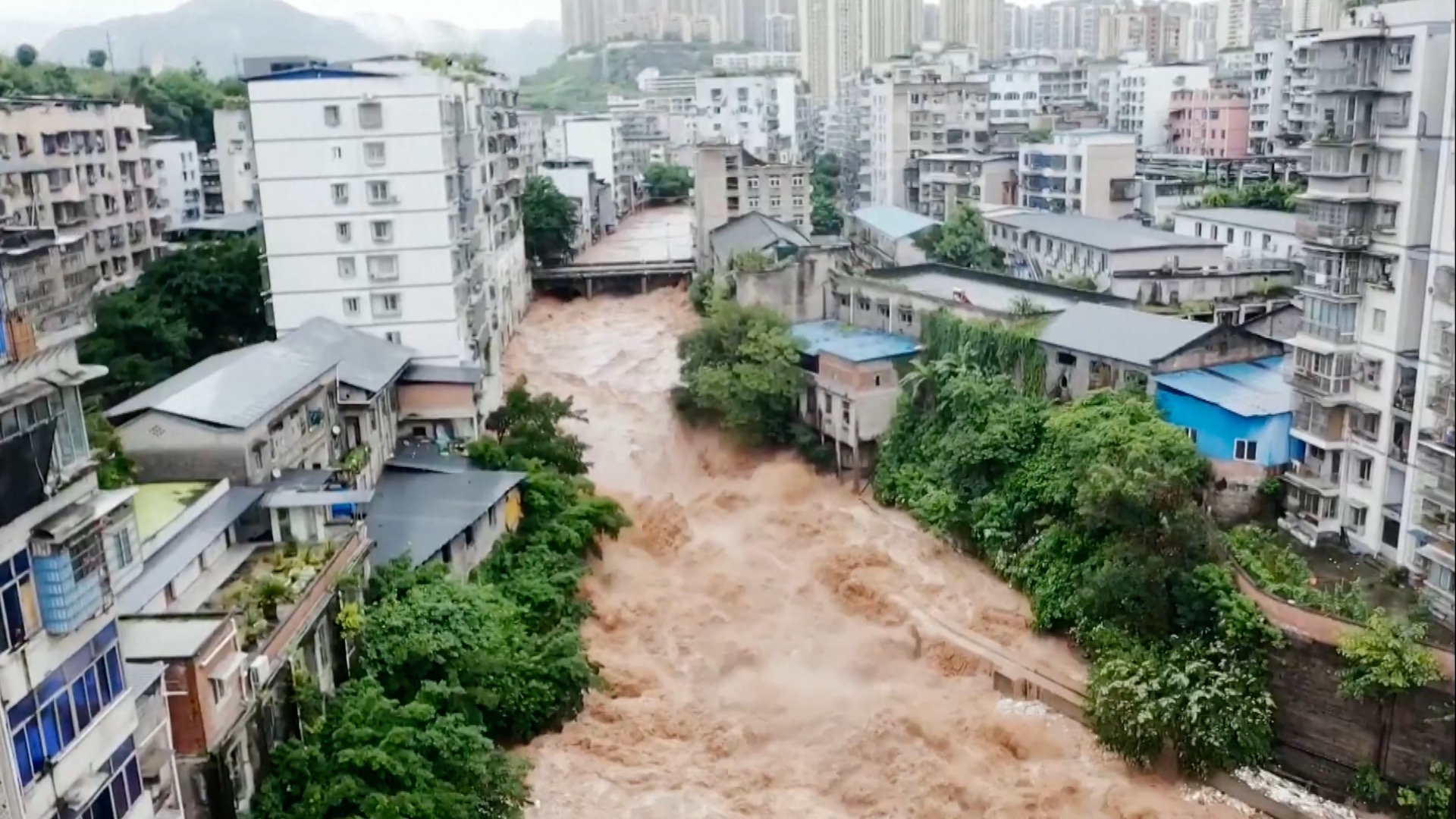
As we navigate the complexities of global climate patterns, recent meteorological data from China provides a stark reminder of the increasing volatility in regional weather systems. According to official reporting from the China Meteorological Administration, the country experienced an unusual climatic event this past May, recording its highest average national precipitation levels for that month in the last decade. This surge in rainfall has fundamentally altered the landscape for disaster preparedness and environmental monitoring across several provinces.
The data, which underscores a significant departure from historical averages, highlights the challenges faced by emergency management teams as they contend with shifting weather fronts. For those following international meteorological trends, this development serves as a critical indicator of how regional atmospheric shifts can lead to prolonged periods of instability. The situation remains fluid, with local authorities maintaining heightened states of alert to address the ongoing risks posed by these sustained hydrological conditions.
Understanding the Regional Impact of Record Rainfall
The excessive rainfall recorded throughout May has not been uniform, with specific geographic sectors bearing the brunt of the weather systems. The Central Meteorological Observatory has identified several regions—most notably Yunnan, Guangxi, and Fujian—as having experienced significantly higher-than-average precipitation levels. These areas have been subjected to consistent, heavy downpours that have complicated regional logistics and necessitated urgent interventions by local governments to manage flood risks.
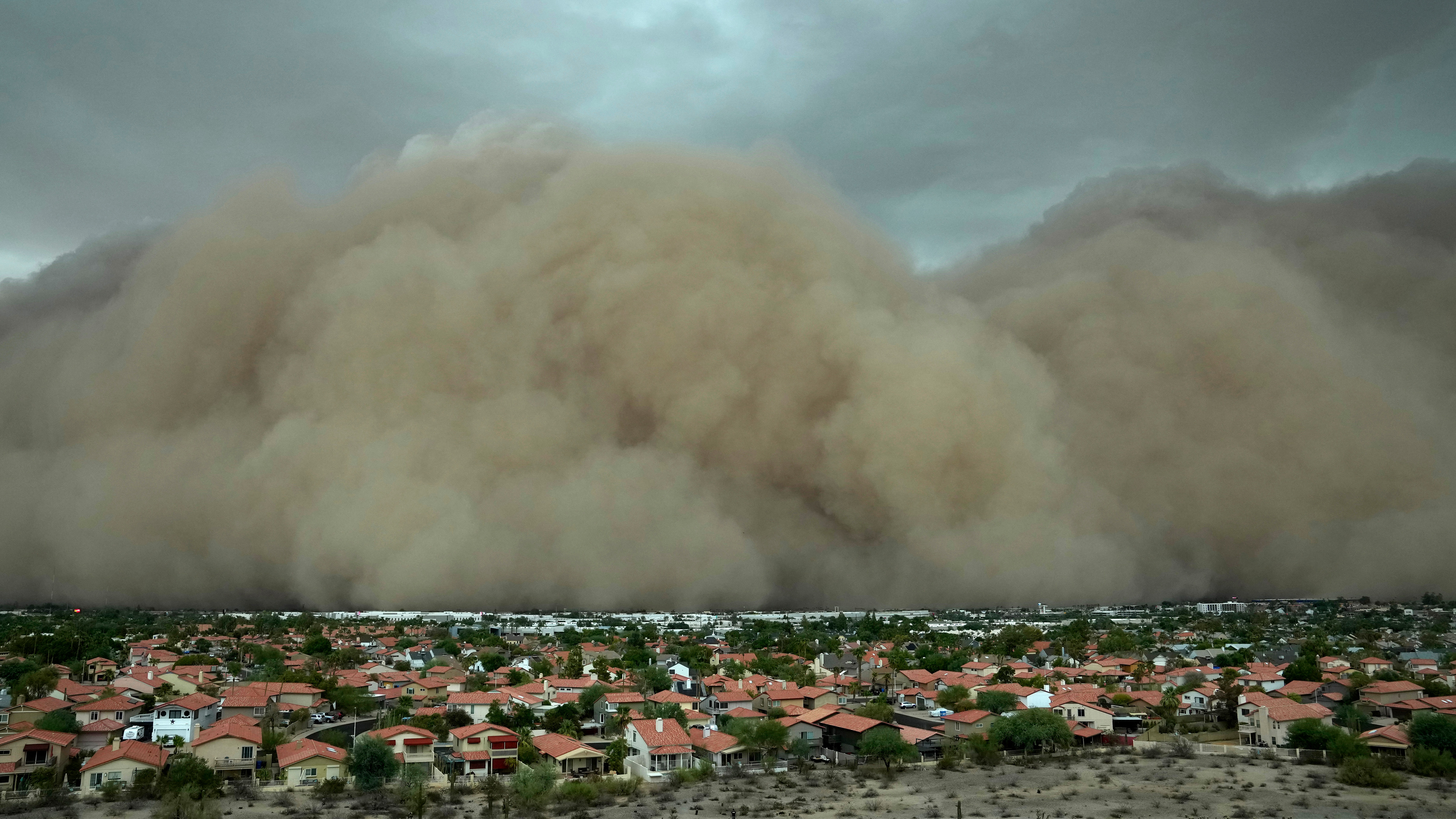
In contrast to the saturated conditions in the south, the meteorological landscape in the northwestern reaches of the country has presented an entirely different set of environmental hazards. Residents in these parts of China have contended with dust storms, a phenomenon often exacerbated by the movement of dry air masses that contrast sharply with the humid, rain-laden systems lingering over the southern provinces. The simultaneity of these two extremes—heavy rainfall in the south and dust-laden winds in the northwest—illustrates the intricate and often contradictory nature of current regional climate patterns.
For official updates and safety advisories, citizens and international observers are encouraged to monitor the China Meteorological Administration’s official portal, which provides the most accurate, real-time data regarding meteorological warnings and climate trends. These resources are essential for understanding the scope of the current environmental challenges and the protocols being implemented to protect affected communities.
Emergency Response and Disaster Mitigation
The impact of this high-volume rainfall has necessitated a coordinated response across multiple jurisdictions. In southern China, local authorities have been engaged in continuous flood prevention and rescue operations. These efforts are part of a broader strategy to mitigate the damage caused by rising water levels in rivers and low-lying areas. The scale of these operations reflects the severity of the weather, which has triggered multiple emergency warnings across provinces including Hunan, Yunnan, Guizhou, and Guangxi.
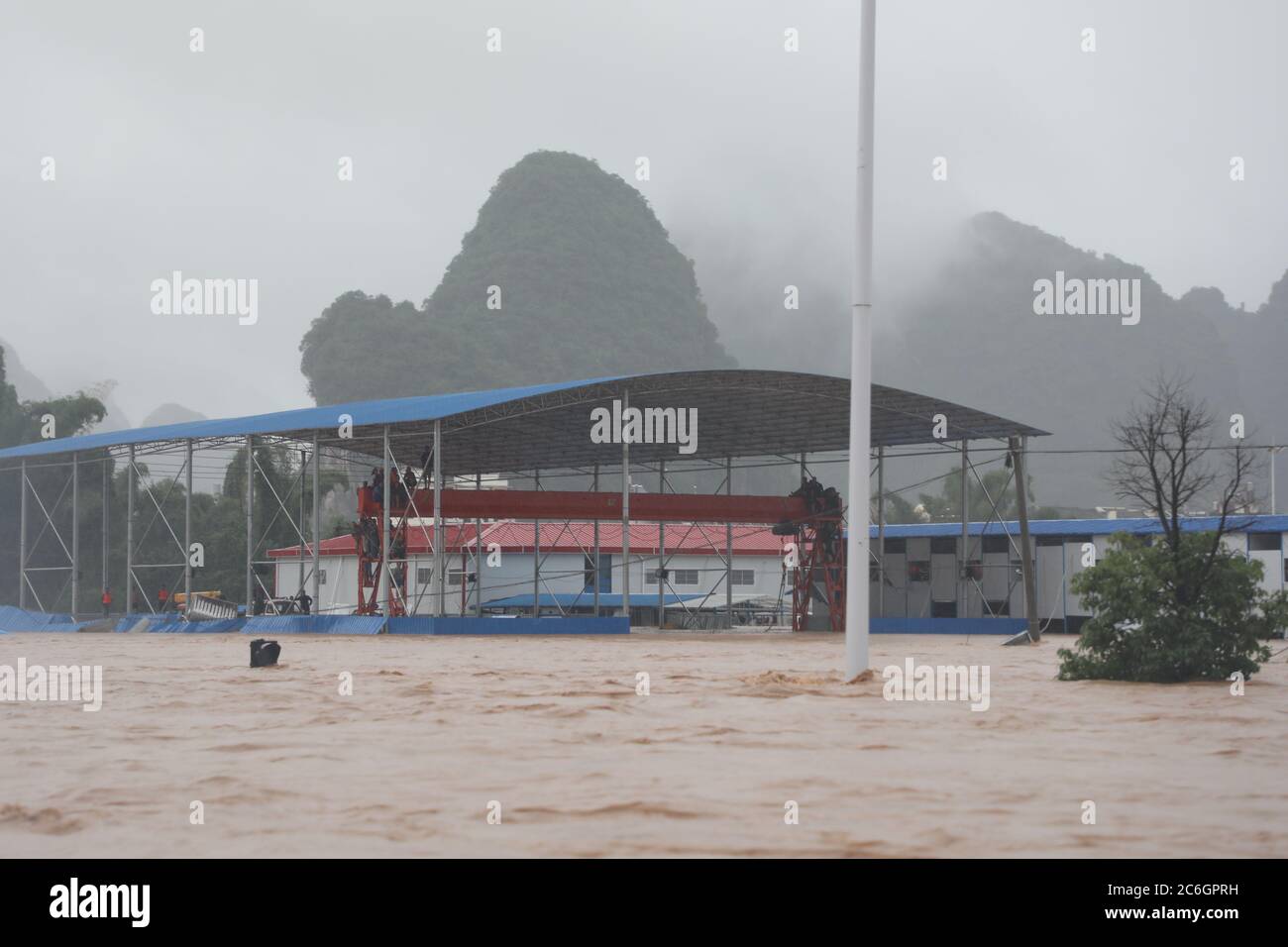
The issuance of “three warnings”—a term often used in Chinese disaster management to denote the concurrent activation of different levels of emergency response for rainstorms, floods, and geological hazards—indicates the gravity of the situation. These measures are designed to preemptively address potential threats from flash floods and landslides, which are significant risks in mountainous or highly saturated terrain. The focus remains on maintaining the integrity of infrastructure and ensuring the safety of populations residing in vulnerable zones.
The ongoing nature of these operations highlights the vital role of early warning systems. By utilizing advanced satellite imagery and ground-based meteorological stations, the China Meteorological Administration aims to provide as much lead time as possible for local governments to mobilize their resources. This system is a cornerstone of the country’s disaster management framework, emphasizing the importance of data-driven decision-making in the face of increasingly unpredictable weather events.
Key Takeaways for Monitoring Climate Trends
For those tracking these developments, several factors remain central to understanding the current meteorological climate in East Asia:

- Unprecedented Rainfall: May 2026 recorded the highest average precipitation for the month in China over the past ten years, signaling a notable shift in seasonal weather patterns.
- Geographic Disparity: While southern provinces face significant flood risks, regions in the northwest are experiencing concurrent issues with dust storms, highlighting the complexity of regional weather dynamics.
- Emergency Mobilization: Multi-province warnings and the activation of emergency rescue protocols reflect the urgency of the current situation in areas like Hunan and Guangxi.
- Official Guidance: Stakeholders and the public are advised to prioritize information from official state meteorological channels to ensure they are acting on verified, up-to-date data.
As the rainy season continues to progress, the primary focus for meteorological experts and government officials will be the monitoring of soil saturation levels and the management of river basins. The effectiveness of current disaster prevention measures will be tested in the coming weeks, as the ability to respond to further precipitation events remains a priority. We will continue to track these developments and provide updates as more information is made available through official meteorological assessments and government briefings.
How are these extreme weather patterns affecting your local region or industry? We invite our readers to share their observations and stay informed through our ongoing coverage of global environmental events. Please continue to check back for the latest reports and official statistics as they are released.
Worth a look