As the personal computing landscape undergoes a significant transition toward artificial intelligence-integrated hardware, Qualcomm is positioning itself to broaden the reach of its ARM-based technology. The San Diego-based semiconductor firm, known for its extensive portfolio of mobile processors and 5G connectivity solutions, is reportedly aiming to bring Windows-based laptops to a more accessible price point. This strategic move seeks to challenge the established market dynamics by offering high-performance, energy-efficient computing to a wider consumer demographic, with industry reports suggesting entry-level devices could soon reach the $300 price threshold.
For many consumers, the promise of affordable, high-efficiency laptops has long been associated with traditional x86 architectures. However, Qualcomm’s focus on its Snapdragon platform suggests a shift toward the power-efficiency benefits inherent in ARM architecture. By targeting the $300 entry-level market, the company is attempting to provide a viable alternative for users who prioritize battery life and integrated AI capabilities without the premium price tag often attached to high-end flagship devices.
Broadening the ARM Ecosystem
Qualcomm’s influence in the global semiconductor market is significant, with recent financial filings noting the company’s role in developing technologies for next-generation mobile networks and smart devices. According to the company’s most recent fiscal data, Qualcomm Incorporated maintains a robust presence in the industry, supported by a diverse portfolio of intellectual property and a global workforce of approximately 52,000 employees as of September 2025. This scale of operation provides the necessary infrastructure to scale its chipsets across various tiers of hardware, from high-performance workstations to budget-friendly consumer laptops.
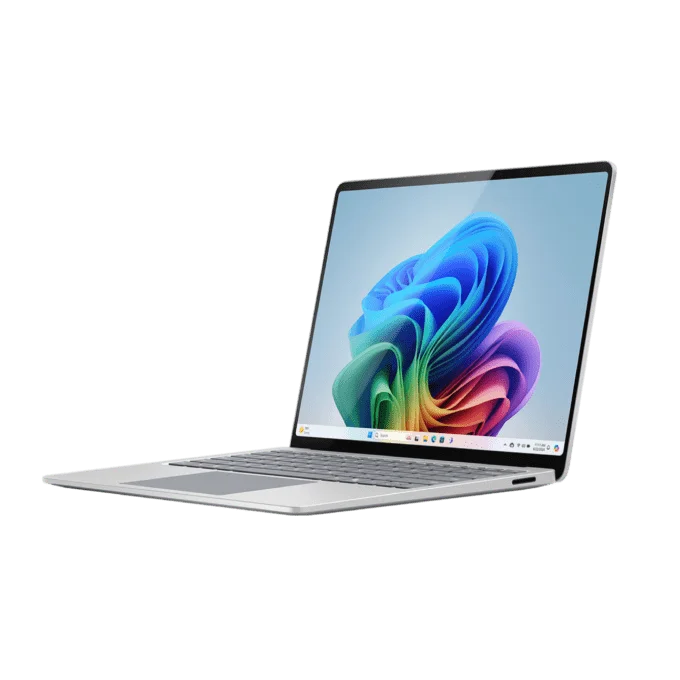
The push into lower-cost segments is not merely about price; We see a strategic effort to capitalize on the increasing demand for “Intelligent Computing Everywhere.” By diversifying beyond the smartphone market, Qualcomm is leveraging its expertise in integrated circuits to capture share in the automotive, IoT, and personal computing sectors. The company’s recent strategic shift into data center markets and its partnerships with major technology firms highlight a broader ambition to move its proprietary silicon into the heart of global computing infrastructure.
What So for the Consumer
The introduction of $300 Windows laptops powered by Qualcomm technology could fundamentally alter the purchasing decisions of students, budget-conscious professionals, and casual users. Historically, low-cost laptops have often struggled with either thermal management or performance limitations. By utilizing ARM-based Snapdragon processors, these future devices are expected to offer the “always-on, always-connected” experience that has defined Qualcomm’s mobile success, potentially offering longer battery life and reduced heat output compared to traditional entry-level notebooks.
This development comes at a time when the tech industry is heavily invested in “Copilot+” features and on-device AI. Integrating these capabilities into lower-priced machines would democratize access to advanced computing tools that were previously reserved for high-end professional hardware. As the company prepares for its upcoming fiscal reporting cycle, with earnings results expected around July 29, 2026, the market will likely be watching closely to see if these hardware diversification efforts translate into sustained growth in revenue and equity value.
Navigating the Competitive Landscape
The personal computer market remains highly competitive, with established players continuing to refine their own silicon roadmaps. Qualcomm’s entry into the entry-level segment is a calculated risk, aimed at creating a new category of devices that balance cost with the modern requirements of mobile computing. The company’s ability to maintain its competitive edge will depend on its success in scaling production and ensuring that its software ecosystem remains compatible with the vast array of Windows applications that users expect.
Investors and analysts have noted the company’s recent record stock performance, which reflects a positive market sentiment toward its diversification strategy. With a market capitalization currently in the hundreds of billions, Qualcomm is well-positioned to sustain long-term research and development efforts, ensuring that its hardware remains relevant in an era defined by rapid technological iteration.

As we look toward the remainder of the year, the industry awaits further announcements regarding the specific release schedules and hardware partners that will bring these affordable ARM-based machines to market. For now, the focus remains on how effectively Qualcomm can translate its mobile-first pedigree into a lasting footprint in the global PC market. We invite our readers to join the conversation in the comments section below—are you ready to make the switch to an ARM-based Windows laptop, or do you prefer the traditional x86 ecosystem?
Worth a look