
The landscape of the British labor market is undergoing a profound shift, one that has prompted urgent warnings from policymakers and economists alike. Recent data regarding the rise of “NEETs”—young people Not in Education, Employment, or Training—has reached a critical threshold, with figures indicating that over one million young adults in the United Kingdom now fall into this category. As an editor tracking global socio-economic trends, I find this development particularly concerning, as it suggests that a significant segment of the next generation is at risk of becoming a “lost generation,” disconnected from the primary engines of economic mobility.
This surge in youth disengagement is not merely a statistical anomaly; it is a structural challenge that intersects with stagnant wage growth, a complex housing market, and the long-term aftershocks of the global pandemic. The term “lost generation” has resurfaced in policy discourse, echoing concerns from previous economic downturns, yet the current context is complicated by the rapid evolution of the digital economy and shifting expectations regarding workplace culture. According to the Office for National Statistics (ONS), the number of young people aged 16 to 24 who are not in education, employment, or training has fluctuated significantly, highlighting the volatility faced by this demographic in a post-Brexit, post-pandemic United Kingdom.
The Anatomy of Youth Disengagement
To understand why over one million young Britons are currently outside the formal workforce or educational systems, we must look beyond the raw numbers. The transition from compulsory education to the labor market has become increasingly fraught. Many young people find themselves in a “middle ground” where entry-level roles require experience they haven’t yet had the opportunity to acquire, while educational pathways often fail to align with the immediate, high-demand skills required by employers. The Department for Education provides granular data on these trends, noting that the NEET rate is heavily influenced by socio-economic background, regional disparities, and the availability of local vocational training.

The conversation surrounding this issue has also taken a turn toward the responsibility of the private sector. Business leaders have increasingly argued that the blame should not rest solely on the shoulders of the youth. Amazon’s UK leadership, for instance, has publicly challenged the narrative that young people are simply “unwilling” to work, suggesting instead that the barriers to entry—ranging from prohibitive transportation costs to a lack of flexible, skill-building opportunities—are the real culprits. This perspective adds a necessary layer of nuance to the debate, shifting the focus from individual “failure” to systemic inefficiency.
Policy Interventions and the Road Ahead
The UK government is under immense pressure to mitigate the long-term scarring effects of this trend. Proposals to integrate more robust apprenticeship schemes and targeted internship programs have been central to recent policy discussions. The government’s ambition to provide hundreds of thousands of work placements aims to bridge the gap between academic theory and workplace reality. However, the efficacy of these programs remains a subject of intense scrutiny by parliamentary committees and independent think tanks. The House of Commons Education Committee frequently reviews these initiatives, assessing whether they provide genuine career progression or merely temporary relief from unemployment statistics.
For young people, navigating these options can be daunting. The current landscape requires not just government intervention, but a concerted effort from the private sector to provide mentorship and clear career pathways. Without these, the risk of long-term economic scarring—where a young person’s lifetime earnings are permanently depressed due to early-career stagnation—becomes a real possibility. This phenomenon is well-documented in economic literature, and the current cohort in the UK is at a pivotal juncture where the right support could mean the difference between a lifetime of career growth and prolonged instability.
A Global Perspective on Youth Unemployment
As I observe these developments from Sofia, the UK is not alone in this struggle. Many European nations are grappling with similar challenges, though the specific drivers—such as the prevalence of “zero-hours” contracts or the cost of living crisis—vary by country. The International Labour Organization (ILO) has consistently highlighted that youth unemployment is a global priority, one that requires a multi-faceted approach involving education reform, labor market flexibility, and active social policies. The International Labour Organization reports that global youth unemployment rates are a key indicator of future economic stability and social cohesion, making the UK’s current experience a bellwether for other developed economies.
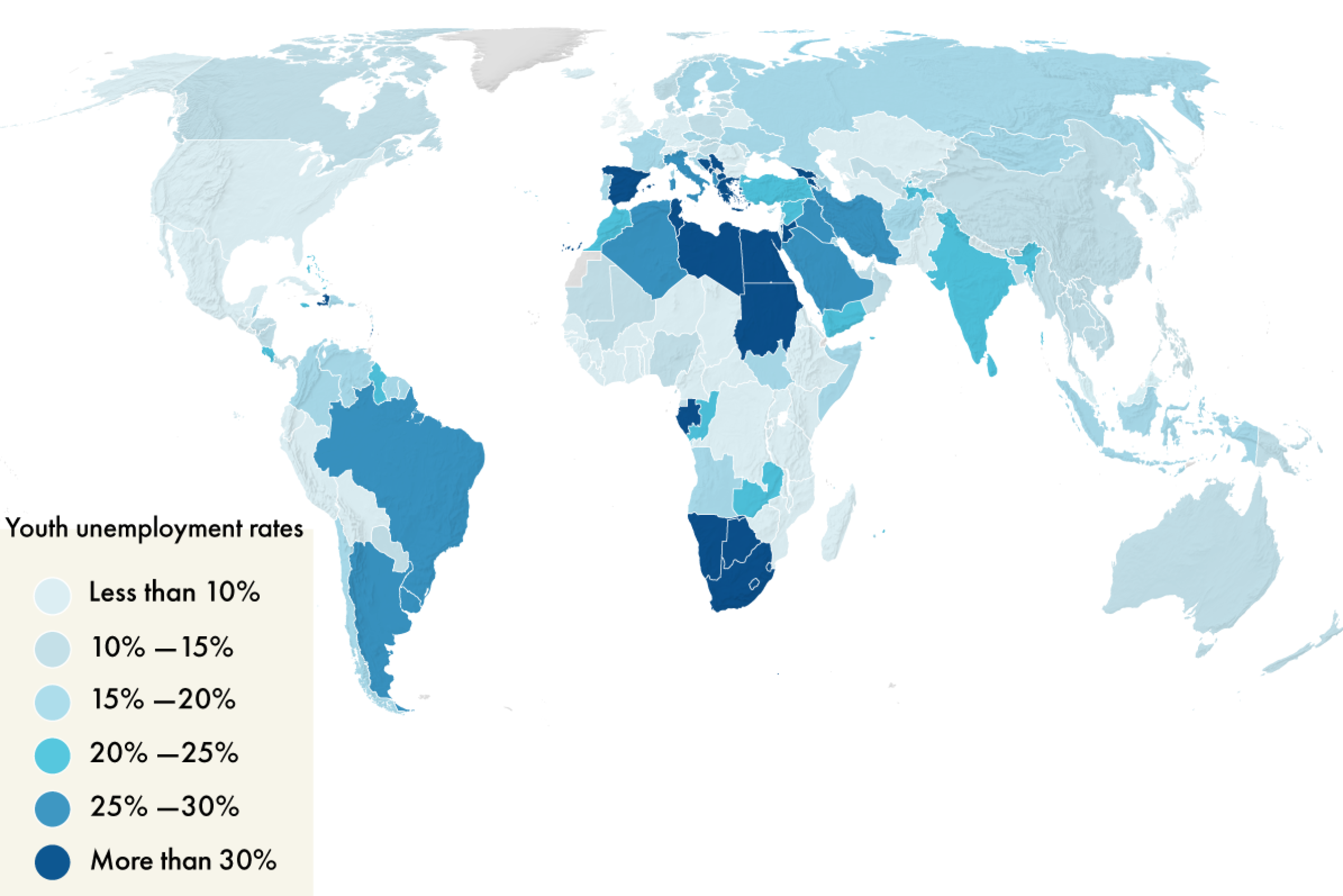
What happens next will depend heavily on the upcoming budget cycles and the government’s ability to execute its proposed training and internship strategies. Monitoring these developments is essential, as the effectiveness of these policies will determine the trajectory of an entire cohort of young workers. I encourage our readers to keep a close watch on the upcoming parliamentary sessions, where updates on youth employment targets and apprenticeship funding are expected to be debated. Engaging with this topic is vital; I invite you to share your thoughts in the comments section below regarding how your own community or country is addressing the challenge of youth integration into the modern workforce.
Maria Petrova is the Editor of the World section at World Today Journal. With over 14 years of experience in international reporting, she focuses on the intersection of geopolitics, human rights, and global economic trends.
Keep reading