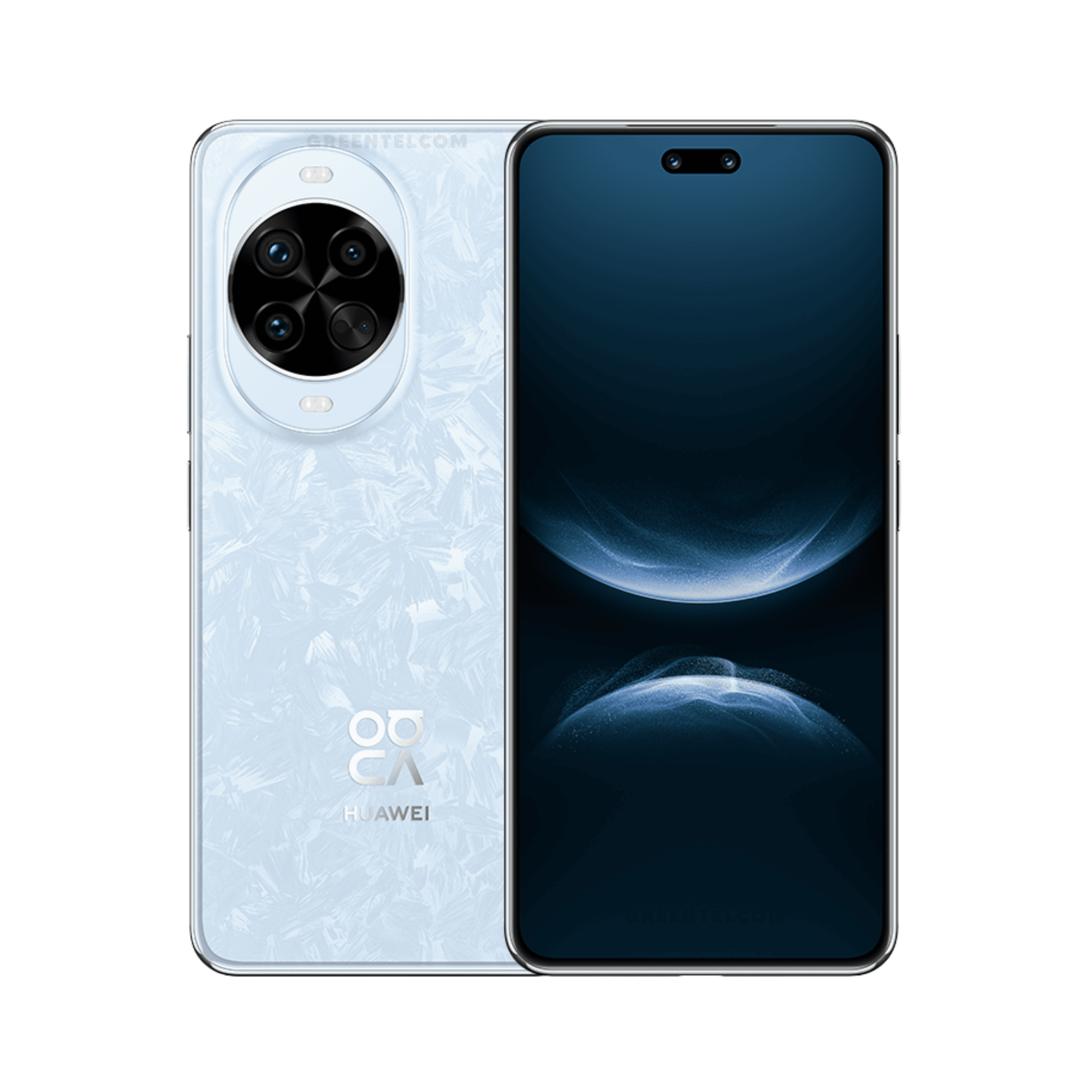
In the rapidly shifting landscape of consumer electronics, Huawei continues to navigate a complex environment defined by both aggressive domestic growth and significant international trade constraints. As the company seeks to maintain its footprint in the competitive smartphone market, short-term promotional strategies—such as sudden, limited-time price adjustments—remain a key tool for engaging its customer base. For consumers monitoring the latest tech trends, understanding how these hardware providers operate within their local ecosystems is essential to tracking the broader trajectory of the global semiconductor and device industry.
Huawei Technologies Co., Ltd., based in Shenzhen, China, remains a dominant force in the ICT infrastructure and consumer electronics sectors. Despite facing substantial headwinds in Western markets, the company continues to report significant financial activity. In its 2024 fiscal reporting, the organization noted a total revenue of CN¥862.1 billion, equivalent to approximately US$118.1 billion, reflecting its continued scale as a private multinational corporation. These figures underscore the company’s endurance as it pivots toward internal self-sufficiency in its semiconductor supply chains, a move necessitated by ongoing export restrictions on advanced artificial intelligence and processing hardware.
The company’s ability to sustain its market position is increasingly tied to its domestic performance. With a workforce of approximately 208,000 employees, Huawei has expanded its reach across various verticals, including cloud computing, artificial intelligence, and smart devices. For users of the Huawei nova series, these shifts often manifest in the form of updated software ecosystems and periodic retail incentives designed to keep the brand top-of-mind in a crowded marketplace. As the company navigates these challenges, its strategy emphasizes the development of its own proprietary platforms, such as HarmonyOS, to bypass reliance on external mobile operating systems.
Navigating the Global Semiconductor Landscape
The broader context for Huawei’s retail strategy is the intense pressure on the global semiconductor sector. In May 2026, Nvidia CEO Jensen Huang publicly acknowledged that his company had “largely conceded” the Chinese market for advanced artificial intelligence chips to Huawei, citing the impact of U.S. Export controls. This shift marks a pivotal moment in the tech industry, as Beijing-based companies accelerate their efforts to achieve semiconductor self-sufficiency. According to Huang, the demand within China remains substantial, and Huawei’s local ecosystem has proven resilient in filling the vacuum created by the restricted access to high-end Western alternatives.


This semiconductor dynamic is not just a high-level corporate issue; it directly informs the hardware capabilities available to consumers. As Huawei invests heavily in its internal chip development, the features integrated into its latest smartphone iterations—like the nova series—are increasingly defined by this push for domestic independence. While global attention is often fixed on data center-grade AI hardware, the same engineering focus is applied to the consumer devices that drive the company’s retail revenue. Investors and industry analysts are watching closely to see how these advancements translate into long-term market share both within China and in other regions where the company maintains a presence.
Understanding the Consumer Electronics Market
For the average consumer, the retail environment for smartphones has become increasingly volatile. Promotions, such as flash sales or limited-time price reductions, are common tactics used by manufacturers to manage inventory and drive interest in new product lines. These sales events often serve as an indicator of a brand’s strategy to maintain momentum in a market that is increasingly sensitive to price and feature parity. While specific promotional windows—such as those ending at midnight—are designed to create a sense of urgency, they also highlight the competitive nature of the smartphone sector, where hardware specifications are frequently updated to match or exceed rival offerings.
When considering a purchase, It’s helpful to look at the broader specifications and ecosystem compatibility. Huawei’s current lineup, which includes devices ranging from mobile and fixed broadband networks to smart televisions and tablet computers, is designed to create a “fully connected, intelligent world.” This strategy relies on the seamless integration of hardware and software, a hallmark of the company’s recent efforts to differentiate its products. Consumers are encouraged to verify the specific capabilities of any device, particularly regarding software support and regional compatibility, as these factors can be as important as the initial price point during a promotional event.
What Lies Ahead for Huawei
The company’s trajectory for the remainder of 2026 appears focused on reinforcing its domestic stronghold while managing the complexities of international trade. As noted by industry leadership, Huawei is expected to have an “extraordinary year” ahead, driven by the strength of its local ecosystem and the continued demand for its diversified product portfolio. However, the regulatory environment remains the primary variable in this outlook. Organizations like the U.S. Government continue to oversee the export of high-performance technologies, and any shifts in these policies will undoubtedly impact how firms like Huawei manage their supply chains and product release schedules.

For those tracking these developments, the next significant checkpoint will be the release of mid-year financial disclosures and further updates from industry regulators regarding export licensing. These reports will provide a clearer picture of how effectively the company is navigating the current geopolitical climate and whether its push for semiconductor independence will continue to yield the growth anticipated by market observers. As always, consumers and industry professionals are advised to stay tuned to official corporate announcements and regulatory filings for the most accurate information regarding product availability and corporate strategy.
We invite our readers to share their thoughts on the evolving role of domestic tech giants in the global market. How do you view the shift toward regionalized semiconductor supply chains, and what impact does this have on your choice of consumer technology? Join the conversation in the comments section below, and stay subscribed to the World Today Journal for ongoing analysis of the tech industry’s most pressing developments.
Keep reading