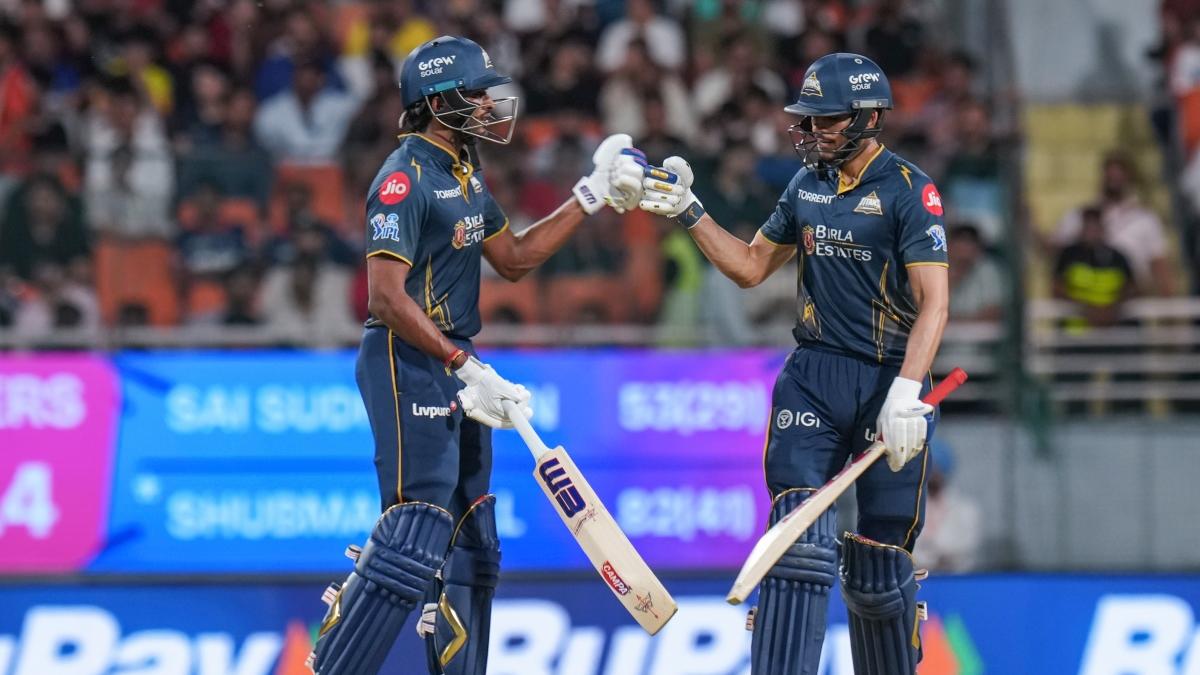
The landscape of modern cricket is constantly shifting, with young talents frequently thrust into the limelight of the Indian Premier League (IPL). Among the most discussed names in recent domestic circuits is Vaibhav Suryavanshi, a young prodigy whose explosive batting style has drawn significant attention from scouts and fans alike. As the league continues to evolve, the discourse surrounding emerging players often blends genuine excitement with the pressures of unrealistic comparisons.
In the high-stakes environment of the IPL, performance metrics are scrutinized with unprecedented intensity. Vaibhav Suryavanshi’s recent appearances have sparked widespread debate, particularly following social media commentary that drew parallels between his playing style and international cricketers from Pakistan. This discourse has highlighted the often-volatile nature of online sports fandom, where comparisons can quickly ignite controversy rather than constructive analysis.
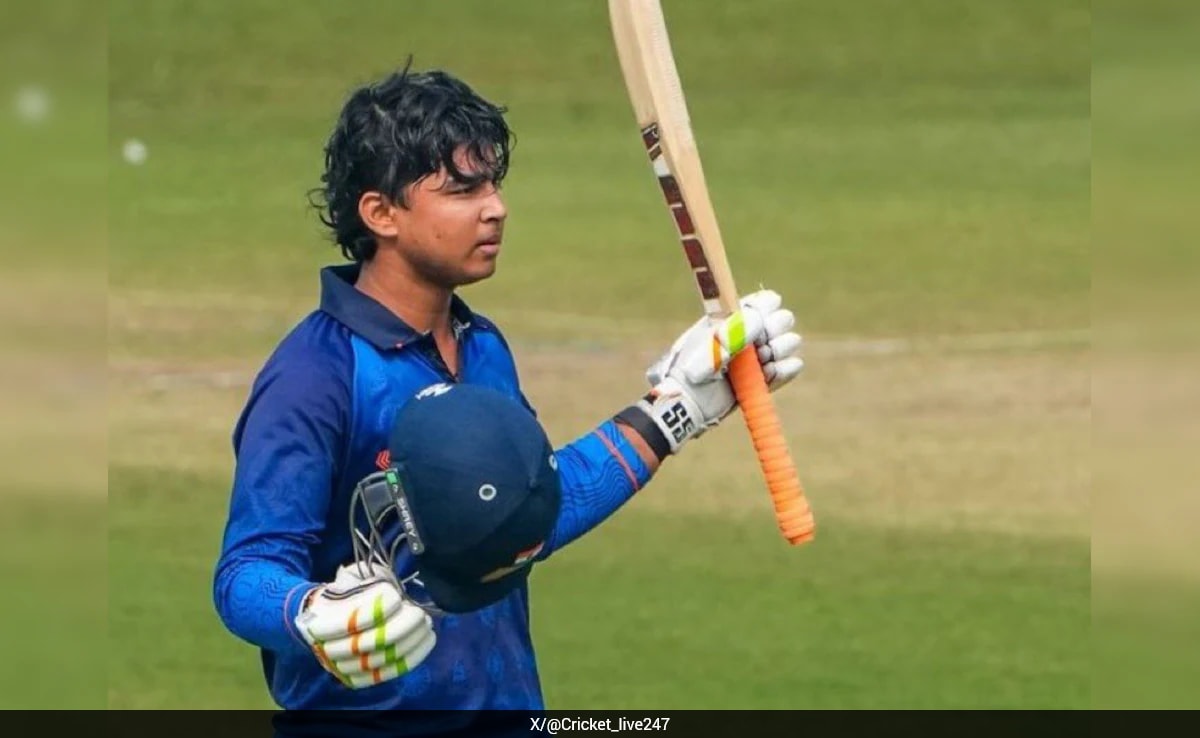
According to reports from ESPNcricinfo, Suryavanshi has been identified as a significant prospect in the Indian youth system, notably representing India Under-19. His transition into the broader professional sphere requires a careful balance of talent development and public management as he navigates his early career milestones on the global stage.
The Impact of Social Media on Young Talent
The recent online discourse involving Suryavanshi serves as a case study for the modern athlete’s experience. When public figures or fans draw comparisons between a developing player and established international stars, it often triggers a polarized reaction. In this instance, the comparison was met with significant pushback from the Indian fan community, who viewed the framing as inappropriate or reductive.
For young players, managing these external narratives is as critical as their technical training. The Board of Control for Cricket in India (BCCI) has historically emphasized the importance of shielding young athletes from the immediate pressures of media hyperbole to ensure their long-term development. The current situation underscores the necessity for a measured approach when evaluating players who are still in the formative years of their professional journey.
Analyzing Performance and Potential
Beyond the online debates, the focus remains on Suryavanshi’s technical output. Statistical analysis in the IPL era relies heavily on strike rates, consistency in high-pressure situations, and the ability to adapt to varying pitch conditions. As noted by the official IPL portal, the scouting process for teams involves deep-dive data analytics, moving well beyond the surface-level metrics that often dominate fan discussions.
The “thunderous” batting displays attributed to him in various reports reflect an aggressive approach to the game. However, consistency at the professional level—especially in a tournament as demanding as the IPL—requires more than just raw power. Developing a tactical understanding of the game is what separates a promising youngster from a consistent match-winner. Coaches and mentors in the domestic circuit are currently working to refine these aspects of his game as he prepares for future domestic and international challenges.
What Lies Ahead for Emerging Cricketers
The path forward for a player like Suryavanshi involves rigorous preparation and continued participation in competitive environments. The upcoming domestic cricket calendar, managed by the BCCI, will provide the necessary platform for him to prove his mettle against seasoned professionals. These matches are crucial for building the temperament required for the highest level of cricket.
Key Takeaways for Future Development:
- Focus on Technical Foundations: Consistent performance in domestic leagues is the primary benchmark for selection.
- Mental Conditioning: Navigating public opinion and media scrutiny is an essential skill for modern athletes.
- Data-Driven Growth: Utilizing advanced analytics to identify areas for improvement in batting and fielding.
As the cricket community looks toward the next major tournament cycles, the development of young players will remain a focal point. While the temptation to compare emerging stars to legends is natural, the most beneficial path for these athletes is one defined by their own unique contributions to the sport. We will continue to track the progress of these rising stars as they compete in the various stages of the Indian domestic circuit.
What are your thoughts on how young talent should be managed in the age of social media? Join the conversation in the comments section below and share your perspective on the future of Indian cricket.
Related reading