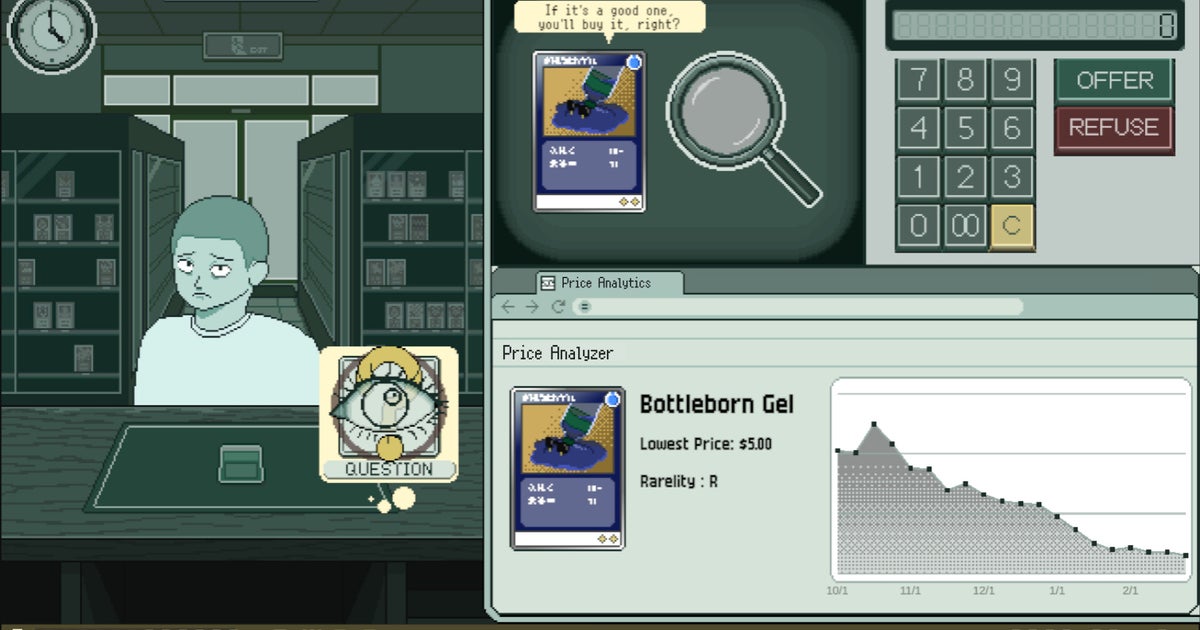
For those who have spent years navigating the frustrating world of collectible card markets, a new digital experience is offering a cathartic, albeit virtual, form of justice. The recently surfaced simulation game, You’re A Scalper, Aren’t You?, places players in the shoes of a local shop owner tasked with managing a trading card business. However, the game’s core hook isn’t just about profit margins or inventory management; it is a direct, satirical response to the predatory practices of ticket and product scalping that have plagued the hobbyist community for years.
In the real world, the secondary market for items like the Pokémon Trading Card Game (TCG) has seen significant volatility, often driven by individuals who purchase high-demand products at retail prices only to relist them at extreme markups. This phenomenon, which has drawn the ire of both long-time collectors and the companies producing these goods, serves as the primary inspiration for this unique management sim. By forcing the player to identify and “squeeze” those looking to make a quick buck, the game turns a common retail frustration into a high-stakes, vengeful gameplay loop.
The rise of digital management simulations that reflect real-world economic anxieties is not a new trend, but the specific focus on the “scalper economy” highlights a growing cultural pushback against the practice. While the game provides a fictional setting, it mirrors the genuine tensions found in hobby shops worldwide, where managers often struggle to balance supply, demand, and the desire to keep products accessible to actual fans rather than resellers. As the Pokémon TCG continues to release sought-after sets, the friction between casual players and aggressive market opportunists remains a central topic of conversation within the global gaming community.
The Mechanics of Virtual Vengeance
At its heart, You’re A Scalper, Aren’t You? functions similarly to titles like Papers, Please—a game celebrated for its ability to turn mundane bureaucratic tasks into intense, morally complex challenges. Instead of vetting immigrants at a border crossing, players here are tasked with vetting customers entering their shop. The objective is to identify those whose sole intent is to hoard limited-edition packs and flip them for profit, effectively denying genuine enthusiasts the chance to enjoy the product at its intended retail value.

The game requires a keen eye for detail. Players must look for behavioral patterns, suspicious purchase histories, and the tell-tale signs of someone looking to corner the market on the latest releases. The “vengeful” aspect of the game is its primary draw; for many, the opportunity to deny a sale to a known scalper provides a level of satisfaction that is rarely afforded in the real world. This reflects the broader frustration surrounding limited-run releases, where supply chain constraints and high demand often lead to market distortions that leave everyday consumers empty-handed.
Understanding the Real-World TCG Market
The Pokémon TCG market has grown exponentially over the last few years, with card values fluctuating based on rarity, condition, and the specific set being released. According to reports from market analysts, the collectible card industry saw a massive surge in interest during 2020 and 2021, driven in part by the pandemic and a renewed interest in nostalgia-based assets. This surge attracted a new wave of investors and resellers, many of whom treat card packs as commodities rather than entertainment products.
This shift has led to various retail policies designed to mitigate the impact of scalpers, such as purchase limits per customer and randomized queue systems for high-profile drops. Despite these efforts, the “scalper” remains a persistent figure in the hobby, utilizing automated bots and aggressive in-store tactics to secure inventory. The game taps directly into this lived experience, allowing players to act as the gatekeepers they often wish existed in their local hobby stores.
Why Simulation Games Resonate
Why do we gravitate toward games that turn our daily frustrations into work? The answer lies in the concept of “agency.” In the real world, consumers have incredibly little power over the actions of resellers or the policies of major retail chains. When we are told a product is “sold out” due to scalper interference, we are left with nothing but the feeling of being cheated. Simulations like this one provide a digital space to “right the wrong.”
By gamifying the process of identifying and punishing bad actors, the developer provides a cathartic outlet. It is a way to process the negative emotions associated with retail scarcity. As we look at the evolution of simulation games, we see a trend toward more socially relevant themes, where the “job” being simulated is less about efficiency and more about making a moral stand. It is a fascinating intersection of pop culture, economy, and game design that invites players to think critically about the way we interact with the products we love.
Looking Ahead: The Future of Hobby Retail
As of early 2025, the debate over how to protect hobbyist communities from the effects of aggressive reselling continues. Major retailers and hobby shop owners are constantly refining their anti-scalping measures, often sharing strategies through community forums and industry associations. While no single software or policy has completely eliminated the issue, the combined efforts of retailers and the vocal disapproval from the fan base have forced a shift in how these products are brought to market.
For those interested in the latest developments regarding retail trends and the state of the card collecting market, it is advisable to keep an eye on official announcements from major distributors and hobby industry news outlets. These sources provide the most accurate information regarding upcoming release protocols and any changes in distribution strategies. The conversation is ongoing, and as the industry matures, we can expect to see more creative solutions to ensure that the hobby remains accessible to the fans who keep it alive.
What are your thoughts on the rise of “vengeful” management sims? Have you encountered the frustrations of the secondary market firsthand in your local game store? Share your experiences in the comments below, and be sure to check back with World Today Journal for the latest updates on the intersection of gaming, culture, and commerce.
Keep reading