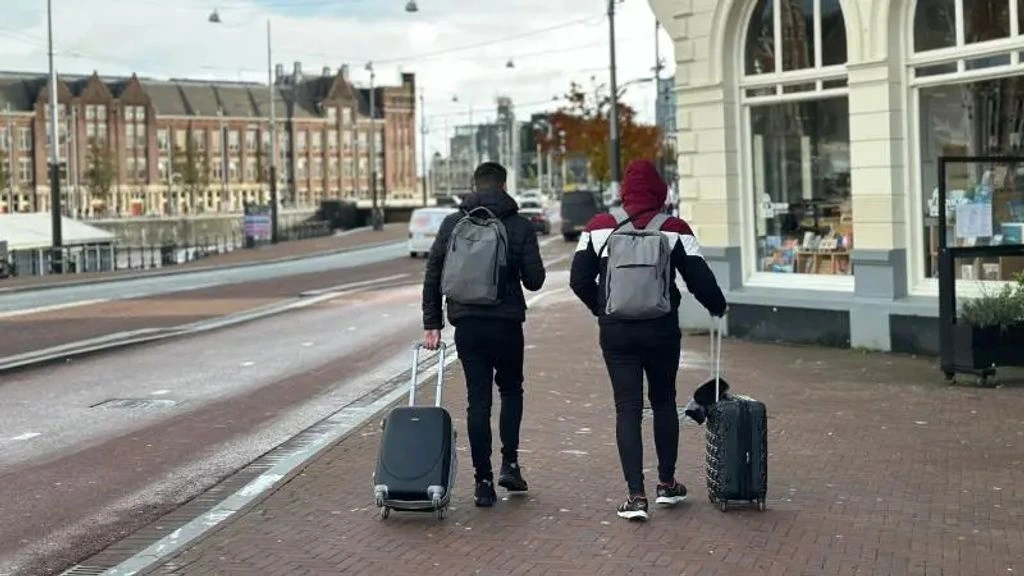
Amsterdam continues to grapple with the complexities of its global popularity, as recent data from the city’s municipal department of Research and Statistics highlights a persistent upward trend in visitor volume. For city planners, the challenge lies not only in managing the sheer number of arrivals but in balancing the economic benefits of tourism against the liveability of the historic center. As of May 2025, the city has released updated projections that underscore the ongoing pressure on urban infrastructure and residential neighborhoods.
The latest visitor projections for Amsterdam indicate that the city must prepare for a sustained presence of millions of overnight guests through 2027. According to the official forecast published by the municipality, the number of tourist overnight stays in 2025 is expected to reach between 23.0 and 24.6 million. This figure represents a significant baseline as the city navigates its long-term strategy for tourism management and urban development.
Understanding the Growth Trajectory
The municipal data suggests that the growth in tourism is not merely a post-pandemic surge but a consistent long-term trend. By 2027, the volume of overnight stays is projected to climb further, with estimates ranging between 23.9 and 27.9 million. These figures encompass a variety of accommodation types, including traditional hotels, campsites, and short-term private rentals, reflecting the diverse ways in which visitors experience the Dutch capital.

While the total number of overnight stays is rising, the city notes a nuanced shift in visitor behavior. The growth rate of the absolute number of guests is currently trailing behind the growth in total overnight stays, which suggests that the average duration of a visit is increasing. This trend toward longer stays presents a unique set of challenges for local authorities, who are tasked with maintaining the balance between a thriving visitor economy and the day-to-day requirements of Amsterdam’s residents.
Policy Responses to Urban Pressure
In response to the sustained high volume of tourism, the municipal government is actively exploring and implementing various fiscal and regulatory measures. A focal point of this strategy is the management of the city’s tax structure to influence visitor numbers and generate revenue that can be reinvested into urban preservation. As noted in reporting from the Dutch national broadcaster NOS, the city has already signaled that the tax on overnight stays is subject to further review should current measures prove insufficient to keep visitor numbers within desired limits.
The municipal approach involves a multi-pronged strategy:
- Fiscal Adjustments: The tourist tax, already among the highest in Europe, is being utilized as a primary tool to manage demand.
- Real Estate Management: The city utilizes a dedicated real estate fund to acquire properties, allowing the municipality to exert greater control over how specific buildings are utilized within the urban fabric.
- Regulatory Oversight: Notice ongoing discussions regarding the introduction of a permit system for new tourist-oriented retail establishments, aiming to preserve the character of local neighborhoods.
These measures are part of a broader effort to ensure that the city remains an attractive place to live while continuing to host a global audience. The focus remains on preventing the “overcrowding” of the inner city, a priority that has been a consistent theme in recent municipal council communications.
The Road Ahead: 2026 and Beyond
Looking toward the future, the municipal government has indicated that the effectiveness of current policies will be closely monitored. The 2025-2027 visitor forecast serves as a critical document for city planners, providing the necessary data to adjust strategies in real-time. Because many factors—such as global economic conditions, population shifts, and international mobility trends—remain volatile, the city employs a scenario-based approach to its planning, accounting for low, middle, and high-growth outcomes.
For residents and stakeholders, the next significant point of evaluation will be the assessment of the 2026 fiscal year, particularly regarding how the tax adjustments impact the total volume of overnight stays. The municipal administration has made it clear that if the number of stays continues to exceed established thresholds, further restrictive measures may be proposed to protect the city’s residential quality.
As Amsterdam continues to evolve, the dialogue between the tourism sector, local government, and the community will remain essential. The goal is to move toward a sustainable model that acknowledges the importance of tourism while prioritizing the long-term health of the city’s infrastructure and social cohesion.
We invite our readers to share their thoughts on the balance between urban tourism and liveability in major European capitals. Join the conversation in the comments section below.
Related reading