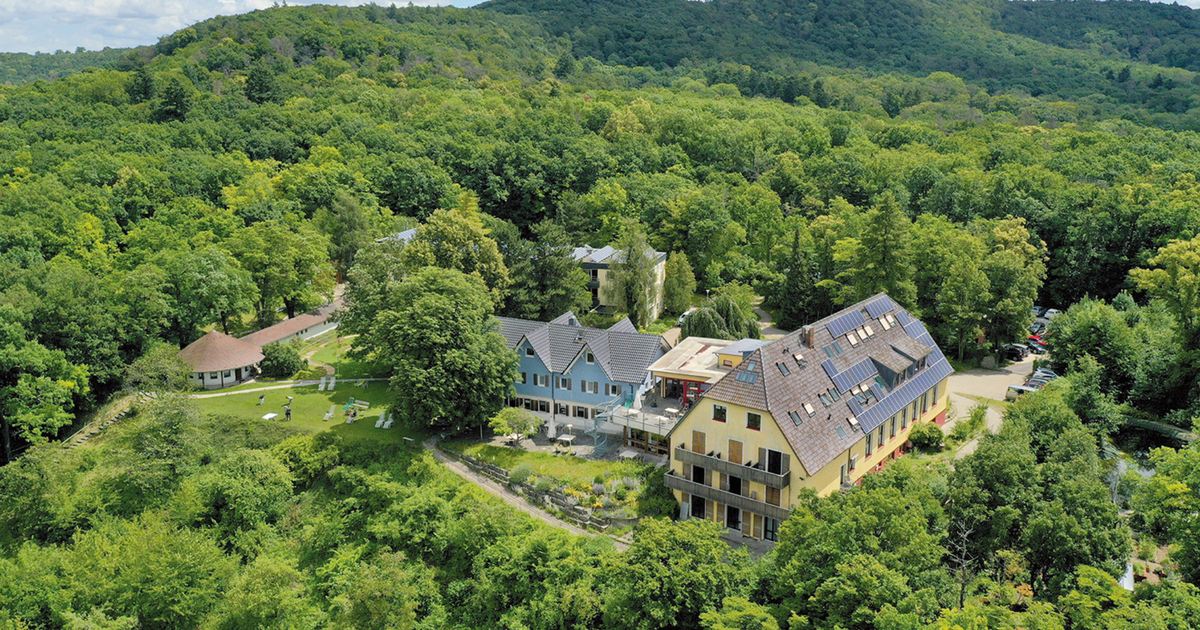
As the healthcare landscape continues to evolve, institutions that bridge the gap between traditional medicine and holistic care often serve as focal points for community engagement and patient education. This June, the Klinik am Steigerwald, located in the scenic region of Lower Franconia, marks a significant milestone: its 30th anniversary. To commemorate three decades of service, the facility has announced a public open house, providing an opportunity for the community to gain insight into its integrative medical philosophy and operational standards.
For those interested in the history of medical facilities in Bavaria, the Klinik am Steigerwald represents a specialized approach to inpatient care. Established in 1994, the clinic has focused on integrating Traditional Chinese Medicine (TCM) with conventional Western medical practices. As an editor in the health sector, I have often noted that such anniversaries serve as more than mere celebrations; they are essential moments for transparency, allowing the public to engage directly with the practitioners who shape their regional healthcare environment. You can find more information regarding their current clinical offerings on the official Klinik am Steigerwald website.
Three Decades of Integrative Healthcare
The development of the Klinik am Steigerwald over the past 30 years mirrors a broader trend in European healthcare: the increasing demand for multidisciplinary treatment plans. The facility, situated in Gerolzhofen, has historically emphasized a patient-centered approach. According to official facility documentation, the integration of TCM—including acupuncture, herbal medicine, and nutritional therapy—alongside conventional internal medicine, has been the cornerstone of their clinical practice since their founding in 1994. This dual approach is designed to address both acute symptoms and chronic conditions, often targeting systemic imbalances that may not be fully resolved through pharmaceutical intervention alone.

The significance of such milestones is underscored by the rigorous regulatory environment in Germany. All clinics operating within the Federal Republic must adhere to the Sozialgesetzbuch (Social Code), specifically Book V, which mandates strict quality assurance and hygiene standards for inpatient hospital care. The Klinik am Steigerwald’s ability to maintain operations for three decades suggests a sustained compliance with these national health mandates, which are overseen by the relevant state health authorities in Bavaria. For patients and families, understanding these regulatory frameworks is vital, as they ensure that the care provided—whether conventional or integrative—meets established safety benchmarks.
Program Details for the Open House
The upcoming open house event is structured to provide visitors with a comprehensive tour of the facility and an introduction to its therapeutic methodologies. While specific scheduling for community events can be subject to change, the clinic has indicated that the program will feature guided tours of the treatment rooms, lectures by medical staff on the benefits of integrative oncology and pain management, and opportunities for direct Q&A sessions with the clinical team. These sessions are particularly valuable for patients navigating complex chronic illnesses who may be considering alternative or supplementary treatment pathways.
Engaging with healthcare providers in an informal setting allows for a reduction in the “white coat anxiety” that often hinders effective communication between patients, and doctors. By opening its doors, the Klinik am Steigerwald facilitates a dialogue about the efficacy and limitations of various treatment modalities. As we look toward the future of public health, the role of such regional specialized clinics becomes increasingly important in alleviating the burden on larger, general-purpose university hospitals, such as the Charité in Berlin, by managing long-term patient care in a more focused, residential setting.
Understanding the Role of Specialized Clinics
When evaluating the role of specialized clinics, it is helpful to distinguish between primary care hospitals and specialized inpatient facilities. The Klinik am Steigerwald operates primarily as an inpatient clinic for specialized rehabilitation and integrative medicine. This means that their patient population often consists of individuals seeking long-term recovery strategies rather than emergency room care. Understanding this distinction helps patients manage expectations regarding referral processes and insurance coverage, which are often dictated by the German statutory health insurance (GKV) system.
For those attending the anniversary events in June, I recommend preparing specific questions regarding the clinic’s referral criteria and the interdisciplinary nature of their team. A truly integrative clinic should be able to demonstrate a collaborative relationship between their medical doctors, who hold standard German medical licenses, and their practitioners of traditional medicine. This synergy is not just a matter of convenience; it is a clinical requirement for patient safety, ensuring that unconventional treatments do not interfere with necessary pharmaceutical or surgical interventions.
Looking Ahead: Healthcare Transparency
The milestone of 30 years is a testament to the clinic’s endurance in a competitive and highly regulated medical market. However, for any healthcare institution, the focus must remain on current patient outcomes and ongoing adherence to modern evidence-based practices. As we move into the second half of 2026, the German healthcare system continues to undergo digital transformation, including the implementation of the electronic patient record (ePA), which will likely impact how specialized clinics share information with primary care physicians.

We encourage our readers to visit the clinic’s official channels for the most recent updates on the June event schedule. Whether you are a local resident or a patient seeking information on integrative care, participating in these open house events is an excellent way to exercise agency over your personal health journey. For those unable to attend in person, many institutions are now providing virtual tours and digital summaries of their educational programming, which can be accessed through their online portals.
The next confirmed updates regarding the facility’s summer events are expected to be published on the official Klinik am Steigerwald website closer to the event dates in June. We invite our readers to share their experiences or questions regarding integrative medicine in the comments section below, as we continue to track developments in regional healthcare delivery across Germany.
Keep reading