The geopolitical landscape surrounding the Islamic Republic of Iran and the United States remains characterized by a complex, often volatile, dance of diplomacy and economic pressure. As the international community monitors potential shifts in U.S. Foreign policy following the recent election cycle, the question of whether a path toward renewed nuclear negotiations or a de-escalation of maritime tensions in the Strait of Hormuz is truly viable remains at the forefront of global discourse.
Recent reports regarding potential U.S.-Iran diplomatic overtures have sparked intense speculation, yet the reality on the ground suggests a much more rigid framework. While observers look for signs of a breakthrough in the long-standing nuclear impasse, the core issues—specifically Iran’s uranium enrichment program and the extensive web of sanctions imposed by Washington—continue to serve as primary stumbling blocks. For the global audience, understanding the distinction between rhetorical signaling and substantive policy shifts is essential to navigating this ongoing crisis.
The Standoff Over Uranium Enrichment and Sanctions
At the center of the current tension is the International Atomic Energy Agency (IAEA), which continues to monitor Iran’s nuclear activities. Despite recent speculative headlines suggesting a sudden thaw in relations, the Iranian government has consistently maintained that it will not accept conditions that curtail its sovereign right to nuclear technology for peaceful purposes. Tehran’s official position remains anchored in the demand for the removal of unilateral economic sanctions as a prerequisite for any meaningful dialogue regarding its nuclear program.
The economic impact of these sanctions, which have been significantly expanded since the U.S. Withdrawal from the Joint Comprehensive Plan of Action (JCPOA) in 2018, remains a critical factor in Iran’s domestic and foreign policy decisions. According to the U.S. Department of State, the current administration maintains a policy of “maximum pressure,” intended to restrict the resources available to the Iranian government for regional activities. This policy has effectively isolated Iran from global financial markets, complicating its ability to engage in international trade.
Maritime Security in the Strait of Hormuz
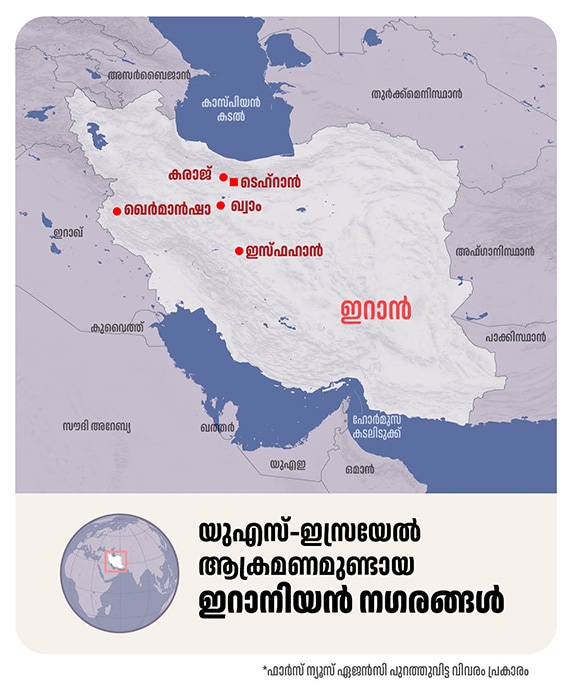
The Strait of Hormuz, a narrow waterway through which approximately 20% of the world’s petroleum consumption passes, remains a persistent flashpoint for international security. Reports regarding the potential lifting of maritime restrictions or a reduction in naval posturing have often been misinterpreted. In reality, the U.S. Navy and its regional allies remain committed to the International Maritime Security Construct (IMSC), which aims to ensure freedom of navigation and the free flow of commerce through the region.
While leaders may occasionally signal a willingness to lower the temperature, the underlying military posture in the Persian Gulf has not seen a significant strategic withdrawal. Any suggestion of a “peace deal” regarding these waterways must be viewed through the lens of established international maritime law and the strategic interests of the littoral states involved. The volatility of the region is such that incidents involving commercial vessels and naval patrols remain a frequent occurrence, necessitating constant diplomatic and military vigilance.
Understanding the Diplomatic Impasse
The current state of U.S.-Iran relations can best be described as a stalemate where both sides are testing the boundaries of the other’s resolve. The U.S. Government, under the transition period, has emphasized that any future negotiations would require a comprehensive approach that addresses not only nuclear proliferation but also Iran’s ballistic missile program and its influence in the Middle East. Conversely, Tehran insists that the U.S. Must first demonstrate good faith by reversing the economic measures that have severely hampered its economy.
For those following these developments, the complexity lies in the lack of a shared baseline for negotiations. The United Nations Security Council continues to provide a forum for discussion, but the divergent objectives of the permanent members—particularly the U.S., Russia and China—often lead to gridlock. The absence of a formal, direct channel for communication has historically led to misunderstandings, which in the context of high-stakes geopolitics, carries significant risks of miscalculation.
Key Takeaways for the Global Observer
- Nuclear Policy: Iran remains committed to its enrichment program, asserting This proves in compliance with its rights under the Treaty on the Non-Proliferation of Nuclear Weapons (NPT), while the U.S. Maintains that current levels of enrichment exceed peaceful requirements.
- Economic Sanctions: The U.S. Maintains that sanctions are a necessary tool for diplomatic leverage, while Iran describes them as an act of economic warfare that prevents humanitarian relief and legitimate trade.
- Regional Stability: The Strait of Hormuz remains a critical artery for global energy, and any disruption carries immediate consequences for global oil prices and supply chain stability.
- Diplomatic Outlook: There is currently no confirmed date for high-level bilateral talks between Washington and Tehran, as both nations continue to navigate internal political pressures.
Looking Ahead: What to Watch
As the international community awaits further clarity on the trajectory of this relationship, focus should remain on official statements from the White House and the Iranian Foreign Ministry. Future developments will likely be signaled by the tone of statements regarding potential prisoner swaps, humanitarian aid corridors, or shifts in the enforcement of secondary sanctions on third-party nations trading with Iran.
The situation remains fluid. We encourage our readers to rely on primary sources and verified international news outlets to track these developments. As this story evolves, we will continue to provide updates on the diplomatic efforts and security implications affecting this crucial region. We invite you to join the conversation below and share your perspectives on how global powers should address this enduring geopolitical challenge.
Keep reading