
The landscape of modern conflict is undergoing a profound and rapid transformation, driven by the proliferation and tactical integration of unmanned aerial systems. As these technologies become increasingly accessible, their influence on the battlefield has moved beyond simple surveillance, fundamentally altering how military forces operate and, by extension, how medical teams must respond to the realities of combat trauma. The integration of these systems into current hostilities, particularly in the ongoing war in Ukraine, has led to a paradigm shift in both tactical planning and the logistical challenges of casualty care.
In recent months, the scale of human impact in the conflict has remained a central focus for international monitors. As reported by the Office of the United Nations High Commissioner for Human Rights, the cumulative toll of the conflict has reached hundreds of thousands of casualties among both military and civilian populations. This immense human cost is increasingly linked to the pervasive use of minor, maneuverable aerial platforms that have become a defining feature of the front lines. The shift toward drone-centric warfare is not merely a tactical preference; it is a structural change in how engagement occurs, necessitating a new approach to emergency response and field medicine.
The widespread deployment of these systems has forced medical professionals to adapt to a new spectrum of injuries. Because unmanned systems can hover, strike with high precision, and operate in environments previously considered inaccessible to traditional artillery, the nature of trauma encountered by field medics has evolved. The challenge now lies in managing injuries that are often sustained in rapid, low-visibility, or highly contested environments, requiring a level of agility that traditional battlefield medicine was not originally designed to accommodate.
The Evolution of Combat Trauma
The integration of drones into the tactical toolkit has effectively compressed the time between target identification and engagement. For medical personnel on the ground, this means that the “golden hour”—the critical period where rapid intervention significantly improves survival rates—is frequently challenged by the persistent threat of aerial surveillance or secondary strikes. According to an analysis by the Royal United Services Institute (RUSI), the constant presence of drones has necessitated changes in how evacuation routes are planned and how medical stabilization points are camouflaged.
The shift is also evident in the equipment being fielded. Medics are increasingly required to operate in “silent” modes, minimizing the use of lights and radio traffic to avoid detection by hostile aerial sensors. This operational constraint directly impacts the speed and efficiency of trauma care, as the traditional “scoop and run” approach is often replaced by more deliberate, concealed medical procedures performed under the threat of persistent observation.
Logistics and the Future of Field Medicine
Beyond the immediate trauma care, the logistics of battlefield medicine are being reshaped by the very technology causing the casualties. There is a growing movement toward using drones for medical resupply, such as the delivery of blood products, tourniquets, and specialized pharmaceuticals to frontline positions that are otherwise cut off by hostile fire. This dual-use nature of the technology—as both a threat and a potential lifeline—is a critical area of development for modern military medical corps.

The U.S. Department of Defense has highlighted that the proliferation of small, low-cost unmanned systems presents a complex challenge for force protection and medical readiness. As the technology continues to evolve, the ability to rapidly deploy autonomous or remotely piloted medical support could become the standard for mitigating the risks posed by aerial warfare. This requires not only technological investment but also a rigorous rethinking of medical training, focusing on remote-operated care and decentralized support networks.
Strategic Implications for Global Security
What we are witnessing in Eastern Europe is likely a harbinger of future global conflicts. The democratization of aerial technology means that state and non-state actors alike can now project force with a level of precision that was once the exclusive domain of major military powers. This expansion of capabilities has profound implications for international humanitarian law and the protection of non-combatants. As the international community observes these developments, there is an increasing urgency to establish clear norms regarding the use of autonomous systems in combat zones.
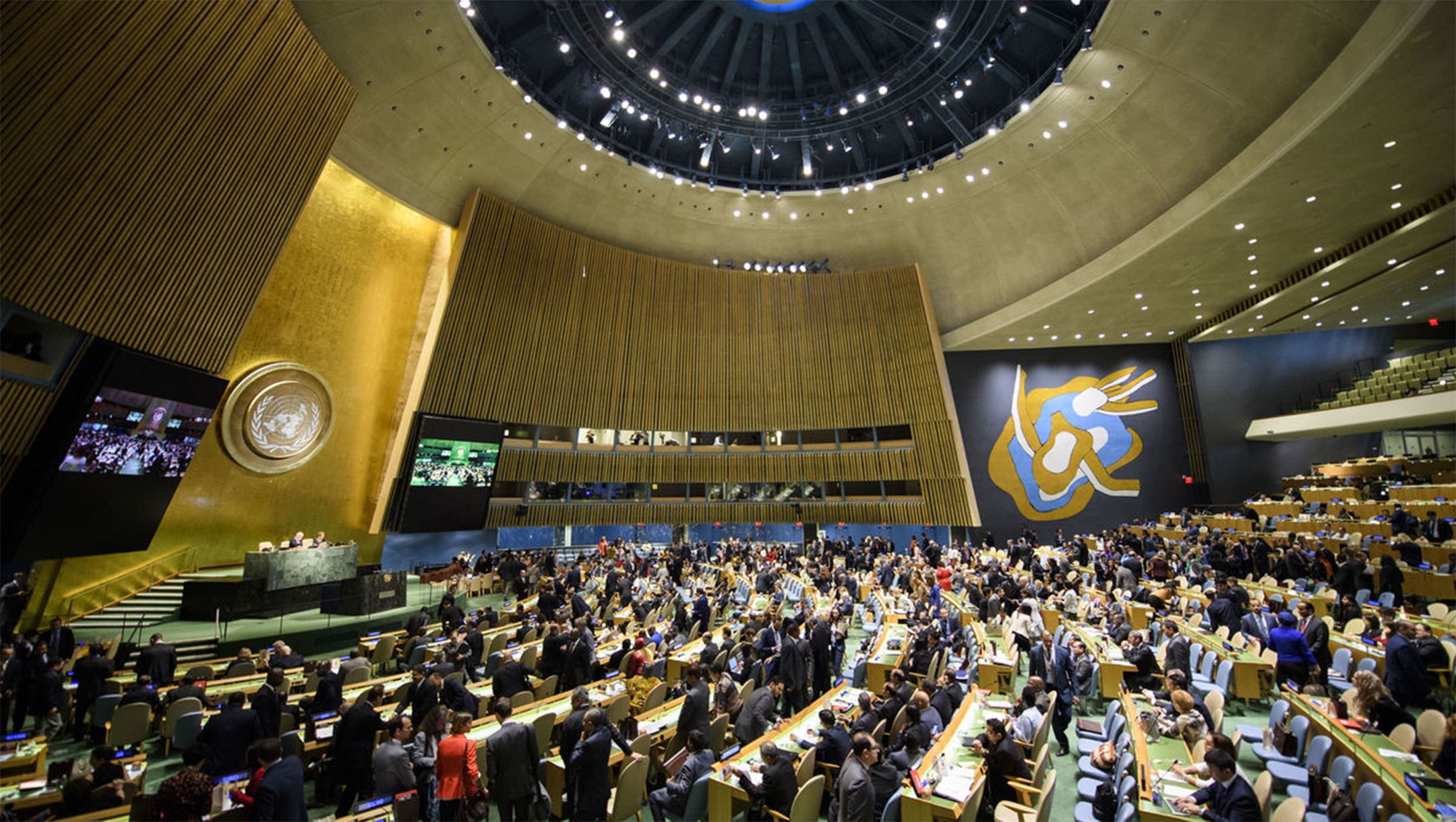
The medical community, in particular, must grapple with how to maintain the neutrality and safety of medical facilities in an environment where the distinction between a combatant and a non-combatant is increasingly blurred by the use of remote technology. The coming months will likely see further debates within the United Nations and other international bodies regarding the regulation of these systems. For now, the reality on the ground remains one of adaptation, as medics and soldiers alike navigate a battlefield where the sky is no longer a neutral space, but a primary domain of engagement.
As we continue to monitor the situation, the next major assessment regarding international humanitarian standards and the use of unmanned systems is expected during the upcoming session of the United Nations General Assembly, where member states are slated to discuss the evolving security landscape. We will continue to track these developments and provide updates as they emerge. We invite our readers to share their insights and perspectives on this critical issue in the comments section below.
Keep reading