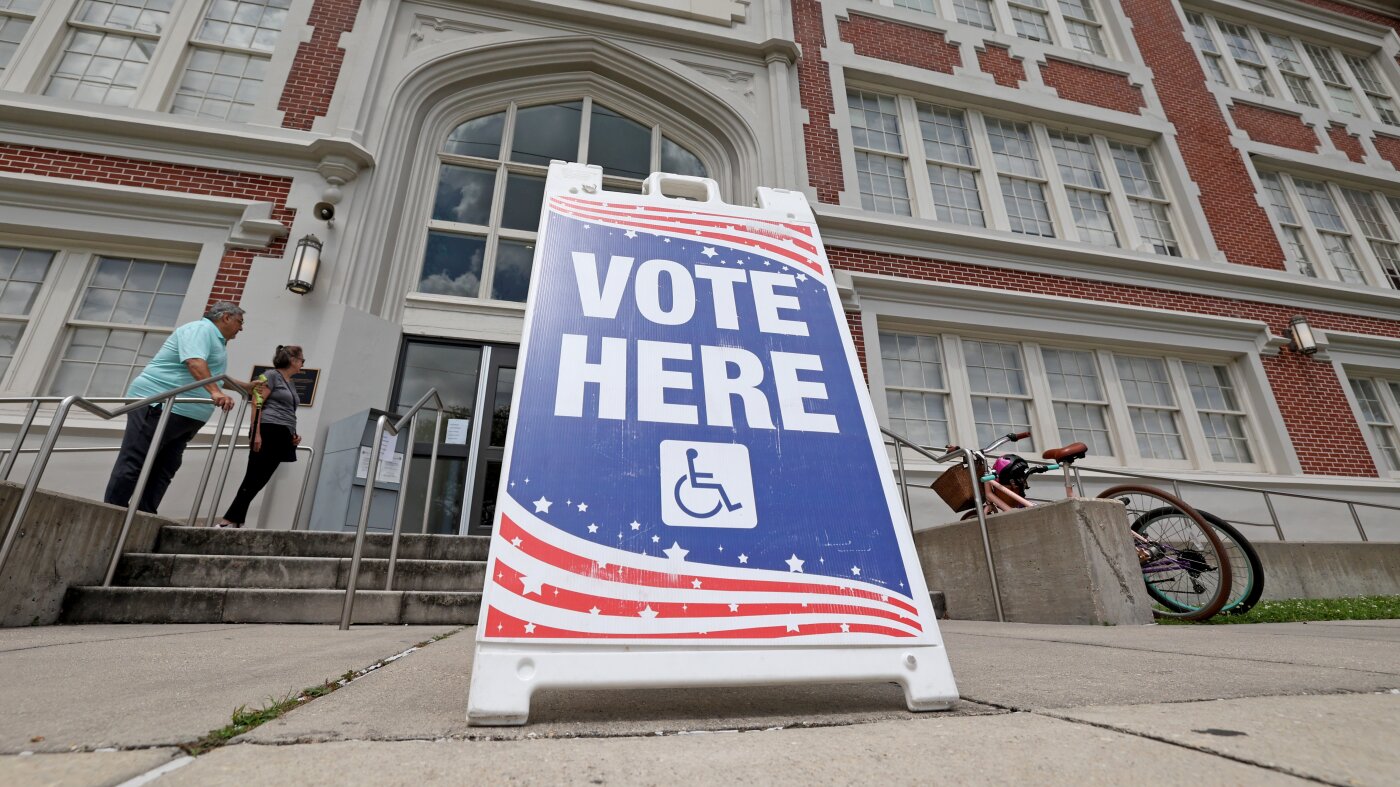
In the complex landscape of American electoral politics, the balance of representation remains a focal point of intense legal and legislative scrutiny. Recently, the State of Louisiana has found itself at the center of a national debate regarding the configuration of its congressional districts. This ongoing process involves state lawmakers, federal courts, and the fundamental question of how to ensure that electoral maps comply with the Voting Rights Act of 1965.
The legislative effort to redraw Louisiana’s congressional map follows significant judicial intervention. In 2024, the U.S. Supreme Court allowed a lower court ruling to proceed, which had found that the state’s previous redistricting plan likely violated federal law by failing to provide adequate representation for Black voters. Specifically, the litigation centered on whether the state’s configuration of districts diluted the influence of the Black electorate, which accounts for approximately one-third of Louisiana’s population.
The Legal Framework of Redistricting
The mandate to revisit electoral boundaries stems from persistent challenges in the federal court system. In Allen v. Milligan, the U.S. Supreme Court issued a landmark decision that clarified the standards for majority-Black districts under Section 2 of the Voting Rights Act. This ruling has had a cascading effect on states across the South, including Louisiana, where plaintiffs argued that the state’s congressional map—which featured only one majority-Black district out of six—did not reflect the demographic reality of the state’s population. For further details on the legal standards governing redistricting, the U.S. Department of Justice Voting Section provides comprehensive documentation on compliance requirements.
Following the judicial pressure, the Louisiana Legislature convened special sessions to address the court’s concerns. The objective was to satisfy the requirement for a second majority-Black district while navigating the partisan interests of the Republican-led legislature. This process has been marked by a tension between the necessity of legal compliance and the political desire to maintain existing partisan advantages in the delegation.
Legislative Action and Political Implications
The legislative response in Louisiana has been characterized by intense negotiation. Lawmakers have had to weigh the risk of further court-ordered redistricting against the impact that a new map would have on the electoral prospects of current incumbents. The creation of a second majority-Black district effectively shifts the boundaries of surrounding districts, often referred to as “packing” or “cracking” in political science, depending on how the lines are drawn to consolidate or dilute voting power. According to the Brennan Center for Justice, such redistricting cycles are critical moments for civil rights organizations monitoring fair representation.
The legislative debate has highlighted the divide between those advocating for maps that reflect current demographics and those prioritizing the preservation of established political districts. As the state moves forward, the focus remains on whether the current maps will survive future judicial review. The Supreme Court of the United States remains the ultimate arbiter in these disputes, and its recent jurisprudence continues to shape how states must approach the intersection of race and geography in electoral design.
Looking Ahead: The Path to 2026 Elections
As of May 2026, the state continues to navigate the aftermath of these legislative changes. The stability of the current congressional map is essential for candidates and voters alike as they prepare for upcoming cycles. The process of redistricting is not merely a technical exercise in geography; it is a fundamental component of the democratic process that determines the voices heard in Washington, D.C.
For citizens interested in tracking the specific boundaries of their districts or identifying their representatives, the Louisiana Secretary of State’s official portal provides the most accurate and up-to-date information on electoral geography. Public participation and transparency in the redistricting process remain the primary safeguards against the potential for discriminatory map-drawing. As legal challenges conclude or move into new phases, the focus will shift from the courtroom to the ballot box.
We invite our readers to share their perspectives on the evolution of electoral policy in the comments section below. How should states balance the competing interests of partisan stability and demographic representation? Join the conversation as we continue to monitor developments in this ongoing story.