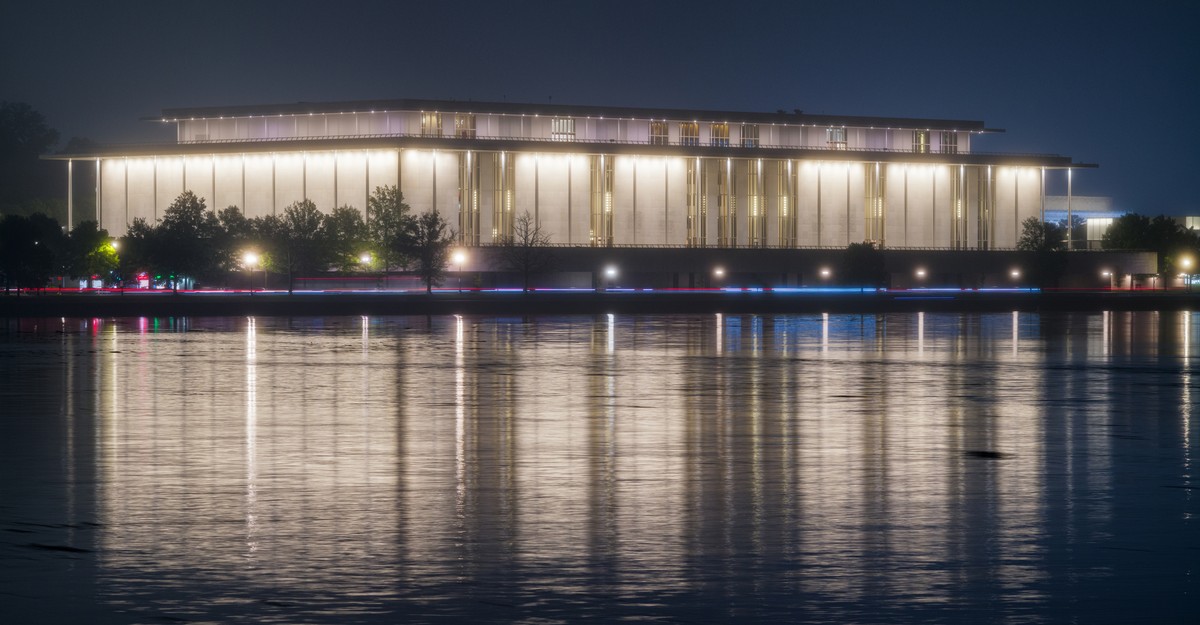
The John F. Kennedy Center for the Performing Arts, a cornerstone of American cultural life since its inception in 1964, finds itself at a precarious crossroads. For months, the institution—which serves as a living memorial to the 35th president—has been mired in uncertainty, with leadership signaling an intent to shutter the complex for a two-year renovation. However, a significant legal intervention this week has halted those plans, leaving the future of the D.C. Landmark in a state of suspended animation.
In a comprehensive ruling, U.S. District Judge Christopher Cooper has issued a pair of directives that fundamentally challenge the current stewardship of the institution. Among the most notable requirements is the court-ordered removal of President Donald Trump’s name from the center within a two-week window, citing that the 1964 legislation establishing the memorial specifically designated it for John F. Kennedy alone. The court granted a preliminary injunction that effectively bars the immediate closure of the facility, finding that the Board of Trustees failed to demonstrate that a wholesale, two-year shutdown was consistent with their statutory obligations. The 94-page opinion, detailed in recent filings, underscores the judicial skepticism regarding the board’s decision-making process during a period of significant institutional turbulence (U.S. District Court, District of Columbia filing records).
A Legacy in Legal Limbo
The controversy surrounding the institution’s identity and operational status is rooted in a December board vote—composed of trustees appointed by the current administration—to incorporate President Trump’s name into the official title of the Kennedy Center. Judge Cooper’s ruling was decisive on this point: “Congress gave the Kennedy Center its name, and only Congress can change it.” This legal determination suggests that the executive branch’s attempts to rebrand the congressionally mandated memorial may exceed the scope of the Board’s authority.
While the court has intervened to prevent the immediate cessation of operations, it has left a narrow path for future maintenance. Judge Cooper acknowledged that the Board could potentially revisit the question of closure for necessary renovations, provided they demonstrate a rigorous, independent, and transparent balancing of their multiple statutory duties. This nuance highlights the ongoing tension between the physical requirements of a 55-year-old facility and the legal mandates governing its public mission.
Operational Challenges and Financial Realities
Behind the headlines, the internal environment at the Kennedy Center has been described as increasingly hollow. Following a year characterized by the cancellation of prominent performances and a notable exodus of donors and artists, the center has undergone a series of layoffs starting in March. The departure of key artistic anchors—including the nomadic shift of the Washington National Opera and the long-term scheduling of the National Symphony Orchestra at external venues—has left the main performance halls facing a calendar of potential silence.
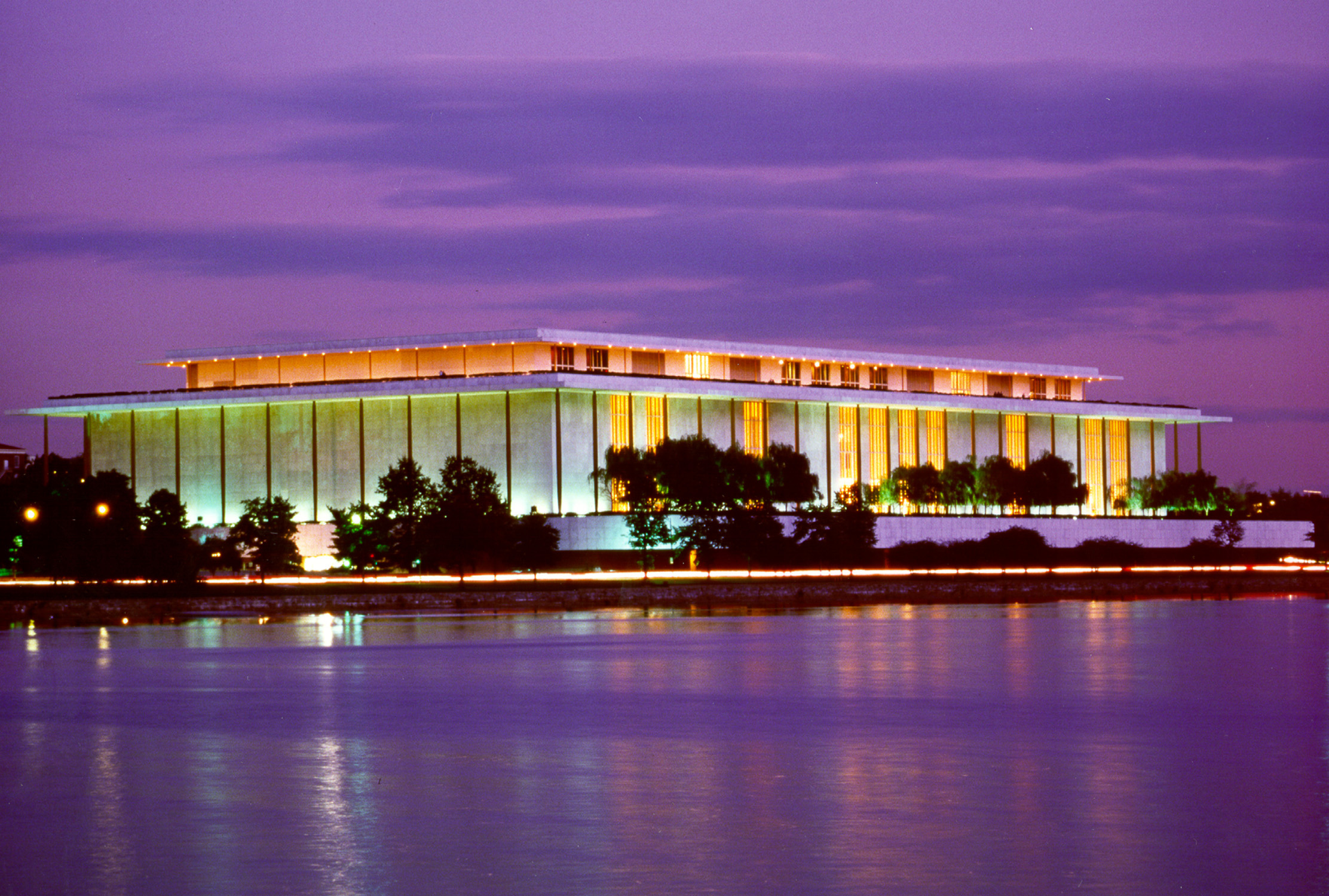
Executive Director Matt Floca, who assumed his role in March, has faced the difficult task of managing these logistical and financial pressures. In recent court filings, Floca provided a sobering window into the organization’s fiscal health, clarifying that despite previous estimates suggesting higher fundraising totals, the center has raised in the range of tens of millions of dollars over the past year. This admission stands in stark contrast to earlier, more optimistic projections, and it raises urgent questions regarding the sustainability of the institution’s current business model (Kennedy Center Official Board & Leadership disclosures).
The Path Forward: What Happens Next?
The legal battle is far from over. The Department of Justice, representing the Kennedy Center, is expected to review the court’s order, and the organization has signaled its intent to pursue every available legal avenue to facilitate its intended renovation schedule. Meanwhile, the office of Representative Joyce Beatty—the primary plaintiff in the lawsuit—remains engaged in the litigation process. The dissonance between the Board’s stated desire to honor the current president and the President’s own recent commentary on social media, where he expressed a willingness to relinquish oversight of the institution to Congress, adds a layer of political unpredictability to an already complex situation.

For the staff, donors, and the public, the next few weeks will be critical. The two-week deadline for the removal of the Trump name sets a clear, immediate benchmark for compliance. Beyond that, stakeholders are looking for clarity on whether the institution can reconcile its physical maintenance needs—which Floca has described as critical—with its primary mission to serve as a vibrant, accessible hub for the performing arts.
As the case progresses, the court will continue to monitor the Board’s adherence to its statutory obligations. Whether the Kennedy Center can recover its status as a premier national stage or whether it will remain a, as one staffer put it, “ghost ship” of its former self, remains the central question for the coming season. We will continue to track these developments as the next hearing dates are set and further legal filings are made public.
What do you think of the court’s intervention in the Kennedy Center’s governance? Share your thoughts in the comments below or join the conversation on our social channels.
Related reading
- Colombia President Abelardo de la Espriella Faces Deadly Bombing Attacks on First Day in Office
- Tromsø City Center Development: A New Process Begins
- Trump Pushes SAVE Act to Mandate Voter ID and Proof of Citizenship (newsdirectory3.com)
- Tariff vs. Price Floor: What Trump's New Solar Rule Does (daybreakwire.com)