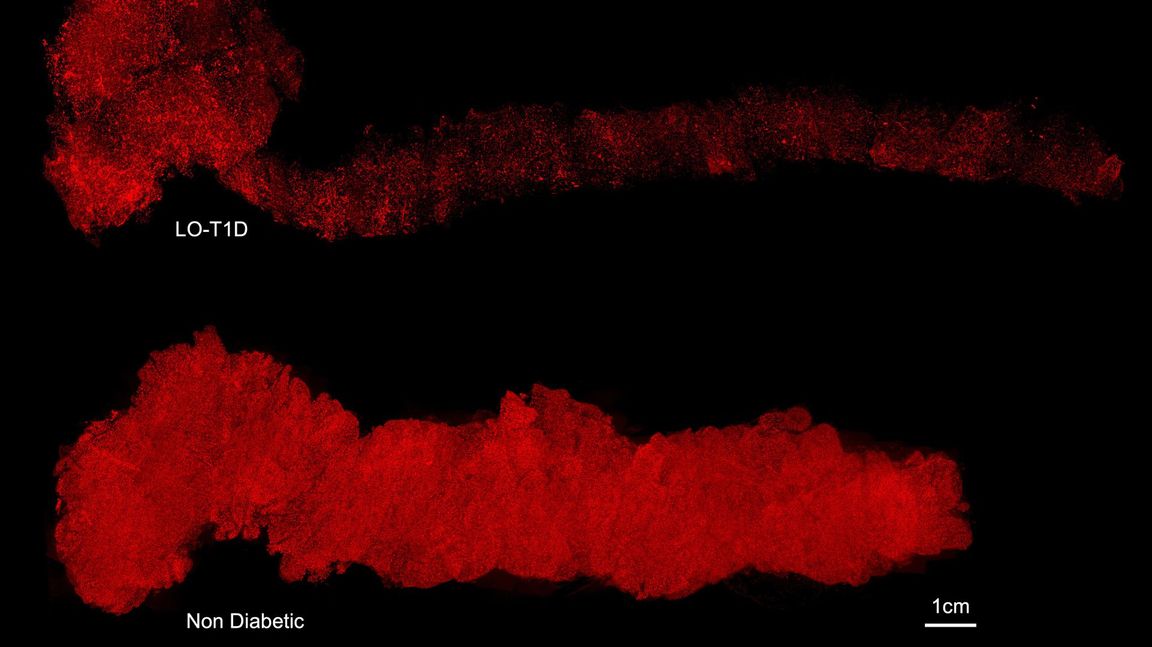
For decades, the medical consensus regarding Type 1 diabetes (T1D) has been one of absolute depletion. The prevailing narrative taught in medical schools and shared with patients was straightforward: an autoimmune attack systematically destroys the insulin-producing beta cells within the pancreas, leaving the body with little to no ability to regulate blood glucose. This total loss of function necessitated a lifelong, intensive reliance on exogenous insulin.
However, a shifting paradigm in endocrinology is beginning to challenge this “all-or-nothing” view. Emerging research and clinical observations suggest that the destruction of insulin-producing cells may not be as instantaneous or absolute as once believed. Instead, evidence indicates that residual beta cell mass can persist long after the initial onset of the autoimmune process, offering a glimmer of hope for new therapeutic strategies aimed at preservation rather than just replacement.
This nuance in understanding—that some functional beta cells may remain in the pancreas even after a diagnosis—is fundamentally changing how we approach the prevention, delay, and potential reversal of Type 1 diabetes. As we move into an era of precision medicine, the focus is shifting from managing the consequences of insulin deficiency to actively protecting the biological machinery that remains.
The Biological Reality: Understanding Beta Cell Persistence
To understand why the persistence of these cells is so significant, one must first understand the delicate architecture of the pancreas. Within the organ lie the Islets of Langerhans, clusters of endocrine cells that perform critical regulatory functions. The most vital of these are the beta cells, which sense glucose levels in the bloodstream and secrete the precise amount of insulin required to maintain homeostasis.
In Type 1 diabetes, the immune system mistakenly identifies these beta cells as foreign invaders. T-cells, the body’s primary defense against infection, orchestrate a targeted attack, releasing cytokines and direct cellular toxins that dismantle the beta cell structure. Traditionally, it was assumed that by the time a patient exhibited clinical symptoms—such as hyperglycemia, polyuria (excessive urination), and unexplained weight loss—the beta cell mass had been reduced to a negligible level.

Recent longitudinal studies have begun to paint a more complex picture. Researchers have observed that the autoimmune destruction is often a protracted, multi-stage process. This has led to the classification of T1D into three distinct stages:
- Stage 1: Autoimmunity is present (detected via autoantibodies), but blood glucose levels remain within normal ranges.
- Stage 2: Autoimmunity is present, and dysglycemia (abnormal blood sugar) begins to emerge, though the patient remains asymptomatic.
- Stage 3: Clinical symptoms appear, and insulin deficiency becomes apparent.
The critical finding is that even in Stage 3, a small, often overlooked population of beta cells may continue to function. While these cells are insufficient to prevent hyperglycemia on their own, their presence provides a biological “foothold.” If medical science can find ways to shield these remaining cells from the immune onslaught, the clinical burden on the patient could be significantly reduced.
The Immunotherapy Revolution: Protecting What Remains
The realization that beta cells can persist has paved the way for a new class of treatments: immunotherapies designed to “pause” or slow the autoimmune destruction. The most significant milestone in this field occurred in late 2022, when the U.S. Food and Drug Administration (FDA) approved Teplizumab (brand name Tzield). This marked the first therapy approved specifically to delay the onset of Stage 3 Type 1 diabetes in at-risk individuals.
Teplizumab works by modulating the immune system, specifically targeting the T-cells that drive the destruction of beta cells. By essentially “re-educating” or suppressing these rogue immune cells, the drug can extend the period during which a patient retains some endogenous insulin production. Clinical trials, most notably the Teplizumab clinical program, demonstrated that the treatment could delay the progression to clinical T1D by an average of two years in certain high-risk populations.
This delay is not merely a statistical victory; it is a clinical lifeline. Those extra years of endogenous insulin production—even if minimal—can significantly reduce the risk of early-onset complications, such as diabetic retinopathy or nephropathy, which are often tied to the volatility of blood glucose levels. It also provides a critical window for patients to adapt to their diagnosis and for researchers to refine further regenerative therapies.
The Next Frontier: Stem Cell-Derived Islets and Regeneration
If immunotherapy provides the shield to protect existing cells, the next logical step in medical innovation is the “sword”: the ability to replace what has been lost. This is where stem cell research and regenerative medicine enter the conversation. The goal is no longer just to manage insulin, but to restore the body’s natural glucose-sensing capability.
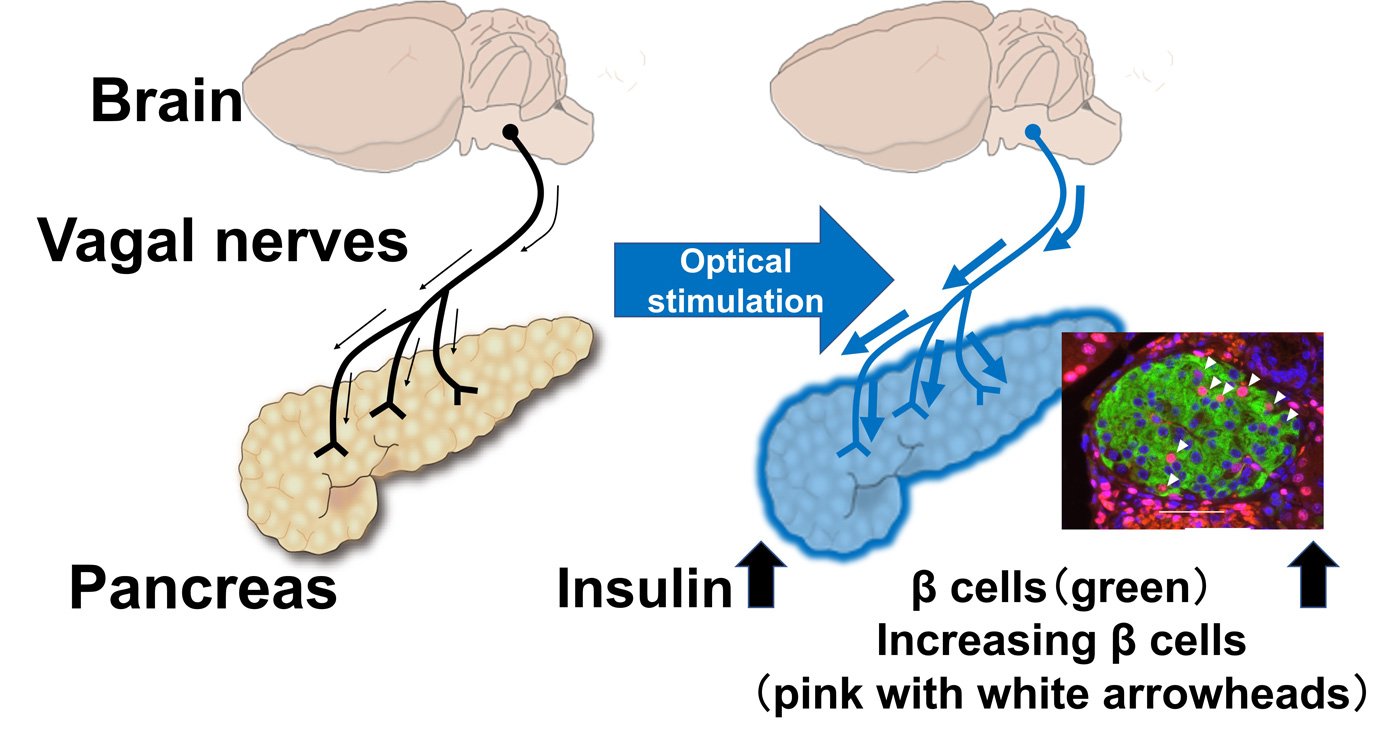
One of the most promising areas of research involves using pluripotent stem cells to create functional, insulin-producing islet cells in a laboratory setting. Unlike traditional organ transplantation, which relies on a scarce supply of cadaveric donor islets and requires lifelong immunosuppression, stem cell-derived therapies offer a scalable, potentially unlimited source of replacement cells.
Leading biotechnology firms, such as Vertex Pharmaceuticals, are currently conducting groundbreaking clinical trials (such as the VX-880 program) to test the safety and efficacy of these lab-grown cells. Early data from these trials have been remarkably encouraging, showing that patients receiving these stem cell-derived islets have been able to achieve insulin independence. This represents a monumental shift from “treating” diabetes to “functional cure” territory.
However, significant hurdles remain. One of the primary challenges is preventing the body’s immune system from attacking these new cells just as it did the original ones. To solve this, scientists are working on two parallel tracks:
- Encapsulation Technology: Placing the new beta cells inside a microscopic “pouch” or device that allows insulin and glucose to pass through but prevents immune cells from reaching the beta cells.
- Gene Editing: Using CRISPR and other gene-editing tools to modify the stem cells so they are “invisible” to the immune system, effectively creating a stealth version of the beta cell.
Clinical Implications: What This Means for Patients and Families
For the millions of people living with Type 1 diabetes, these developments represent a profound shift in the outlook of the disease. The move from a “management” model to a “preservation and replacement” model changes the fundamental goals of healthcare providers.
For newly diagnosed patients, the discovery of residual beta cell function explains the phenomenon known as the “honeymoon phase.” During this period, some patients experience a temporary reduction in insulin requirements as their remaining beta cells attempt to compensate. Understanding that this is a biological reality, rather than a regression of the disease, allows clinicians to better manage patient expectations and optimize glycemic control during this delicate window.
the emphasis on early detection—identifying Stage 1 and Stage 2 diabetes through antibody screening—is becoming increasingly vital. As we gain better tools to protect beta cells, the ability to identify at-risk individuals before they reach Stage 3 becomes the most effective way to deploy these life-changing therapies.
Key Takeaways: The Changing Landscape of T1D
- Beta Cell Persistence: Research shows that insulin-producing cells may not be entirely destroyed at the time of diagnosis, offering a window for intervention.
- Immunotherapy Breakthroughs: Drugs like Teplizumab (Tzield) are now being used to delay the progression of T1D by targeting the autoimmune response.
- Regenerative Potential: Stem cell-derived islet therapies are moving through clinical trials, aiming to provide a scalable replacement for lost beta cells.
- Shift in Focus: Medical strategy is moving from lifelong insulin replacement toward preserving existing cells and eventually restoring natural function.
A Global Public Health Challenge
As these innovations move from the laboratory to the clinic, a significant public health challenge emerges: equitable access. The therapies currently being developed—immunotherapies and stem cell transplants—are highly sophisticated and, expensive. There is a growing concern within the global health community that these advancements might only be available to those in high-income nations or with premium insurance coverage.
For a disease that affects approximately 9 million people worldwide, including a high proportion of children, the goal must be to ensure that “medical innovation” translates into “global health impact.” This requires not only scientific breakthroughs but also policy interventions, cost-containment strategies, and international cooperation to ensure that the promise of a functional cure is realized for everyone, regardless of geography or socioeconomic status.
Frequently Asked Questions
Q: If some beta cells remain, why do I still need insulin injections?
A: Even if a small number of beta cells survive, they are unable to produce the massive amounts of insulin required to manage blood glucose levels after eating or during physical activity. The remaining cells are simply not enough to maintain safe glucose levels on their own.
Q: Does the “honeymoon phase” mean my diabetes is going away?
A: No. The honeymoon phase is a temporary period where the remaining beta cells provide some insulin. It is typically short-lived, and as the autoimmune process continues, the need for exogenous insulin will return.
Q: Can I be screened for Type 1 diabetes before I have symptoms?
A: Yes, through autoantibody testing. This can identify individuals in Stage 1 or Stage 2 of the disease, which is when new immunotherapies are most effective at delaying clinical onset.
The horizon of Type 1 diabetes care is expanding. We are moving away from a period of clinical resignation and into an era of active biological intervention. While a definitive, universal cure remains the ultimate goal, the ability to preserve what remains and eventually replace what is lost is no longer a matter of “if,” but “when.”
The next major checkpoint in this field will be the release of long-term follow-up data from ongoing stem cell clinical trials and the expansion of immunotherapy eligibility guidelines by global regulatory bodies.
Dr. Helena Fischer
Editor, Health, World Today Journal
What are your thoughts on the shift toward immunotherapy in diabetes care? Do you believe these advancements will reach the global population equitably? Share your insights in the comments below and share this article to spread awareness.
Keep reading