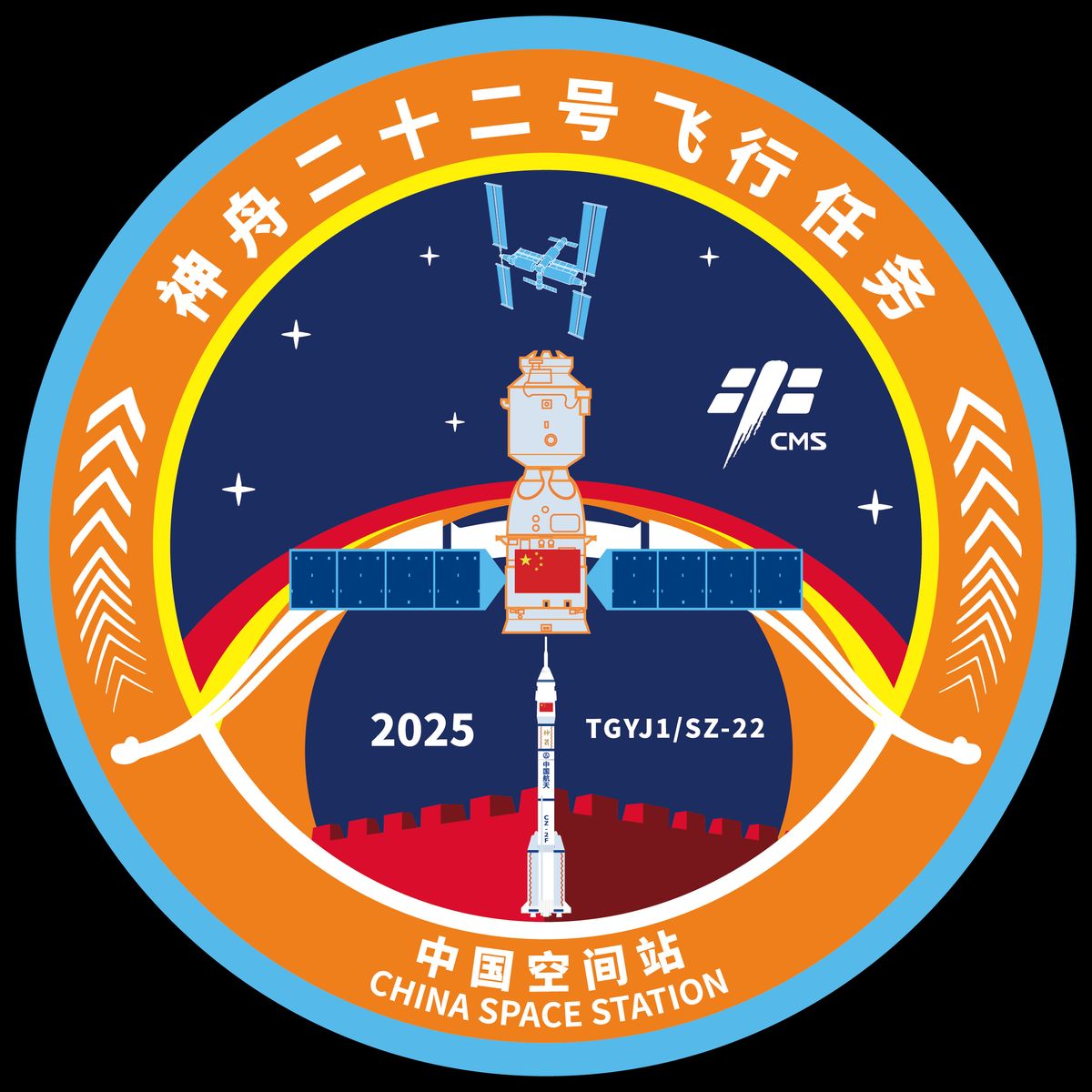
As China continues its ambitious expansion of its permanent orbital presence, the recent transition between the Shenzhou-21 and Shenzhou-23 mission crews marks a significant milestone in the nation’s space exploration strategy. This latest rotation, which saw the arrival of a new crew at the Tiangong space station, highlights the increasing operational complexity and human endurance requirements of China’s long-term spaceflight program. The mission comes as Beijing accelerates its timeline for lunar exploration, with official objectives targeting a crewed moon landing by 2030, according to Reuters.
The Shenzhou-23 mission, which launched on May 24, 2026, involves a year-long stay for the participating astronauts. This extended duration represents a major shift from previous six-month rotations, requiring specialized psychological and physiological support systems to ensure the health and performance of the crew over the duration of the mission. Analysts note that this transition is not merely a change in calendar duration but a fundamental evolution in how the China Manned Space Agency (CMSA) manages orbital logistics and life support infrastructure.
Advancing Human Spaceflight Capabilities
The transition from six-month stints to a year-long mission is critical for understanding the long-term effects of microgravity on the human body. By extending the stay of the Shenzhou-23 crew, researchers hope to gather vital data that will inform future deep-space missions, including potential lunar surface operations. The coordination required for such an handover—ensuring that the incoming crew is fully integrated into the station’s ongoing experiments while the outgoing crew prepares for their safe return—demonstrates the maturing technical proficiency of China’s space program.
The Tiangong space station serves as the centerpiece of this effort. As a modular structure, it provides a stable environment for continuous scientific research, ranging from material sciences to biotechnology. The ability to maintain a consistent human presence on board allows for the execution of long-duration experiments that would be impossible with shorter-term flight schedules.
Strategic Goals and Lunar Ambitions
China’s focus on the year-long space mission is intrinsically linked to its broader goal of establishing a permanent lunar presence. By mastering the operational challenges of long-duration flight, the agency is effectively building a “test bed” for the technologies required to sustain human life beyond low-Earth orbit. The 2030 target for a lunar landing remains a high-priority objective for the Chinese government, reflecting a broader shift in global space competition, as detailed in recent reporting by Reuters.
The selection of crew members, who often come from diverse backgrounds—including military service and specialized engineering—is designed to maximize the station’s efficiency. Recent updates have emphasized the rigorous training and preparation required to handle the multifaceted responsibilities of modern orbital missions, from complex docking procedures to the maintenance of station life-support systems.
The Broader Context of Scientific Outreach
Beyond the technical achievements, the Chinese government continues to use its space program as a platform for public engagement and education. This includes initiatives often described as “large-scale ideological education” or public science outreach, aimed at inspiring a new generation of scientists and engineers. These efforts are often integrated into broader national narratives regarding technological self-reliance and progress.
As the station continues to orbit the Earth, the eyes of the international scientific community remain focused on the data produced by the Shenzhou crew. The transparency of this scientific output, and how it is shared with international partners, remains a subject of ongoing discussion among global space agencies. For now, the successful docking and handover of the Shenzhou-23 crew signify that China’s orbital operations are proceeding according to its established, long-term roadmap.
Key Takeaways
- The Shenzhou-23 mission marks an extension of China’s crewed space station presence, with a target of one year in orbit.
- The mission is a strategic precursor to China’s national goal of landing astronauts on the moon by 2030.
- Long-duration missions are essential for gathering data on human health in microgravity, which is required for future deep-space exploration.
- The China Manned Space Agency continues to emphasize the integration of complex operational handovers and intensive crew training as core pillars of its success.
The next major checkpoint for the program will be the successful conclusion of the current year-long rotation and the subsequent return of the Shenzhou-23 crew to Earth. We will continue to monitor official briefings from the China Manned Space Agency for updates on the crew’s health and the progress of their scientific objectives. Please share your thoughts on the evolution of global space exploration in the comments section below.

- High-Speed Police Chase: Driver Stopped by Roadblock After Hitting 200 km/h Between Ostrava and Havířov
- Austrian Football: Assessing Team Level After Key August Matches
- Sen. Markey Highlights Commerce Committee Report on Tech and Transportation (archynewsy.com)
- Sony Pictures Updates Box Office Projections for Christopher Nolan Film (newsdirectory3.com)