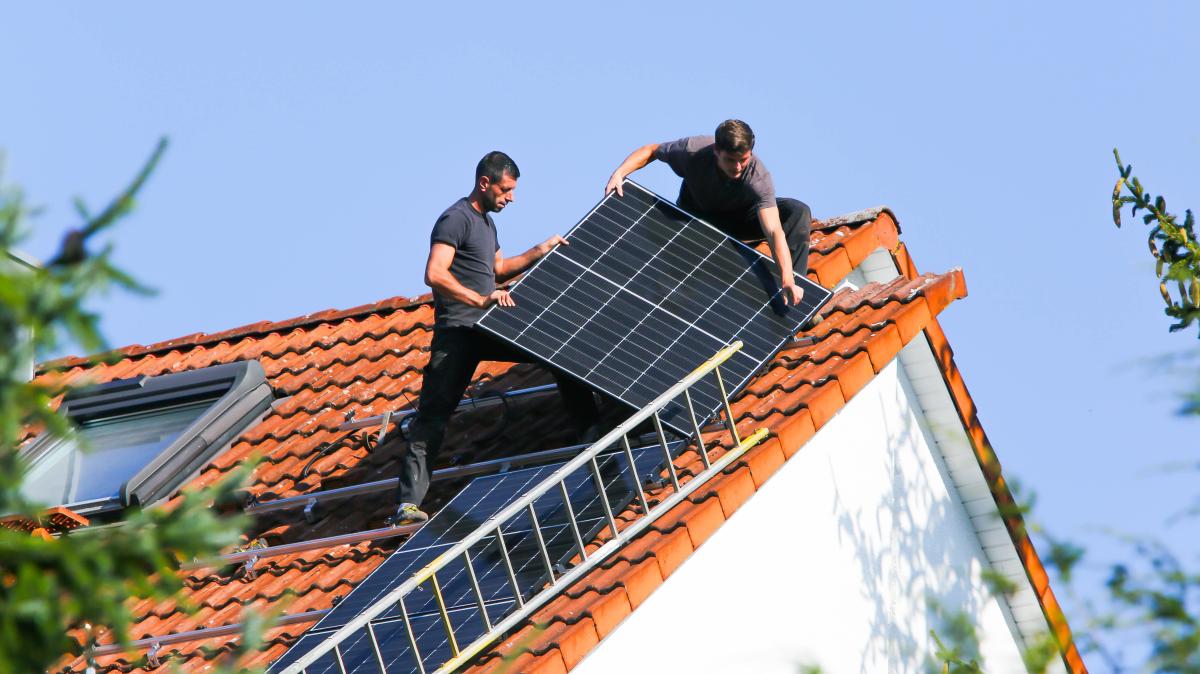
As the European Union intensifies its transition toward a decentralized, sustainable power grid, the concept of peer-to-peer energy trading is moving from a theoretical framework to a functional reality. For many households, the ability to engage in local energy sharing—the process where private individuals sell excess electricity generated by their rooftop solar installations directly to neighbors—represents a significant shift in how we perceive utility consumption and investment returns.
In Germany, this transition is supported by the broader regulatory context provided by the EU’s “Clean Energy for all Europeans” package, which mandates that member states facilitate the participation of small-scale producers in the energy market. By allowing neighbors to trade renewable energy locally, policymakers aim to reduce grid congestion while providing a financial incentive for homeowners to invest in photovoltaic systems. According to the European Commission, these energy communities are essential for empowering consumers and increasing the efficiency of the distribution network.
This development is not merely an environmental policy; it is a fundamental shift in market access. By enabling direct transactions, participants can bypass some of the traditional retail markups and grid fees that often make small-scale solar production less economically attractive than utility-scale generation. As we look at the evolving landscape of 2024 and beyond, understanding the mechanics of these local energy markets is vital for both investors and homeowners looking to maximize the utility of their renewable assets.
The Mechanics of Peer-to-Peer Energy Trading
At its core, local energy sharing functions by utilizing existing distribution infrastructure to facilitate the transfer of electricity between a producer and a consumer within a defined geographic area. Unlike traditional feed-in tariffs, where excess solar power is injected into the public grid and purchased by the utility at a fixed, often lower, rate, peer-to-peer models allow the producer to negotiate a price that is competitive for the neighbor but more profitable for the seller.


The technical backbone of this system relies on smart metering technology. These devices are crucial, as they record the real-time production and consumption data required to settle financial transactions between parties. The German Federal Ministry for Economic Affairs and Climate Action (BMWK) has initiated a mandatory rollout of intelligent metering systems, which serve as the prerequisite for these sophisticated billing arrangements. Without high-frequency data, the precise matching of local supply and demand would be impossible to quantify for billing purposes.
Beyond the hardware, the legal framework is equally critical. In Germany, the Renewable Energy Sources Act (EEG) continues to undergo amendments to streamline the participation of prosumers—a portmanteau of producer and consumer—in local electricity markets. These legislative updates are designed to lower the bureaucratic barriers that have historically prevented small-scale operators from entering the market on equal footing with larger energy providers.
Economic Incentives and Market Viability
The primary driver for the adoption of energy sharing is the improvement of the return on investment (ROI) for residential solar installations. When a household can sell their surplus power at a rate higher than the standard feed-in compensation, the payback period for the initial capital expenditure on solar panels and battery storage is significantly shortened. This creates a virtuous cycle: as solar becomes more profitable for the individual, adoption rates rise, further decentralizing the grid.
However, the economic feasibility depends on several moving parts, including grid usage fees and taxes. In many jurisdictions, the cost of transporting electricity through the distribution network remains a significant variable. If the regulatory framework allows for reduced grid fees for “local” or “neighborhood” consumption, the model becomes exponentially more attractive. As noted by the International Energy Agency (IEA), policy design is the single most significant factor in determining the speed at which prosumer-led markets scale.
Key Considerations for Potential Participants
- Regulatory Compliance: Ensure that your local utility provider supports peer-to-peer billing models.
- Smart Metering: Installation of a certified smart meter is a non-negotiable prerequisite for tracking and verifying energy exchange.
- Grid Integration: Understand the local distribution network operator’s (DSO) requirements for connecting and trading energy.
- Tax Implications: Consult with a tax professional regarding the income generated from the sale of electricity, as this can often be classified as commercial activity depending on the scale and frequency of the sales.
What Happens Next?
The transition toward local energy sharing is a long-term process, with ongoing legislative sessions expected to further refine the rules surrounding energy communities. The next major checkpoint for many European markets will be the continued implementation of the EU Electricity Directive (2019/944), which provides the legal basis for citizen energy communities to participate in the energy market. This directive requires member states to ensure that these communities can trade energy without facing discriminatory or disproportionate procedures.

For the average homeowner, the best course of action is to monitor official announcements from the national energy regulator and their local distribution network operator. As platforms for energy trading become more standardized, we expect to see an increase in third-party service providers offering “Energy-as-a-Service” apps that manage the complex matching, billing, and regulatory reporting automatically.
The shift to local, decentralized energy is not merely a trend; it is a fundamental pillar of the future energy economy. By turning every home into a micro-power plant, we are creating a more resilient, efficient, and equitable system. We will continue to monitor the legislative developments and technical standards emerging from Berlin and Brussels as these frameworks evolve. If you have questions about how these changes might impact your local energy market, or if you have experience with current pilot programs, I encourage you to share your thoughts in the comments section below.
Keep reading