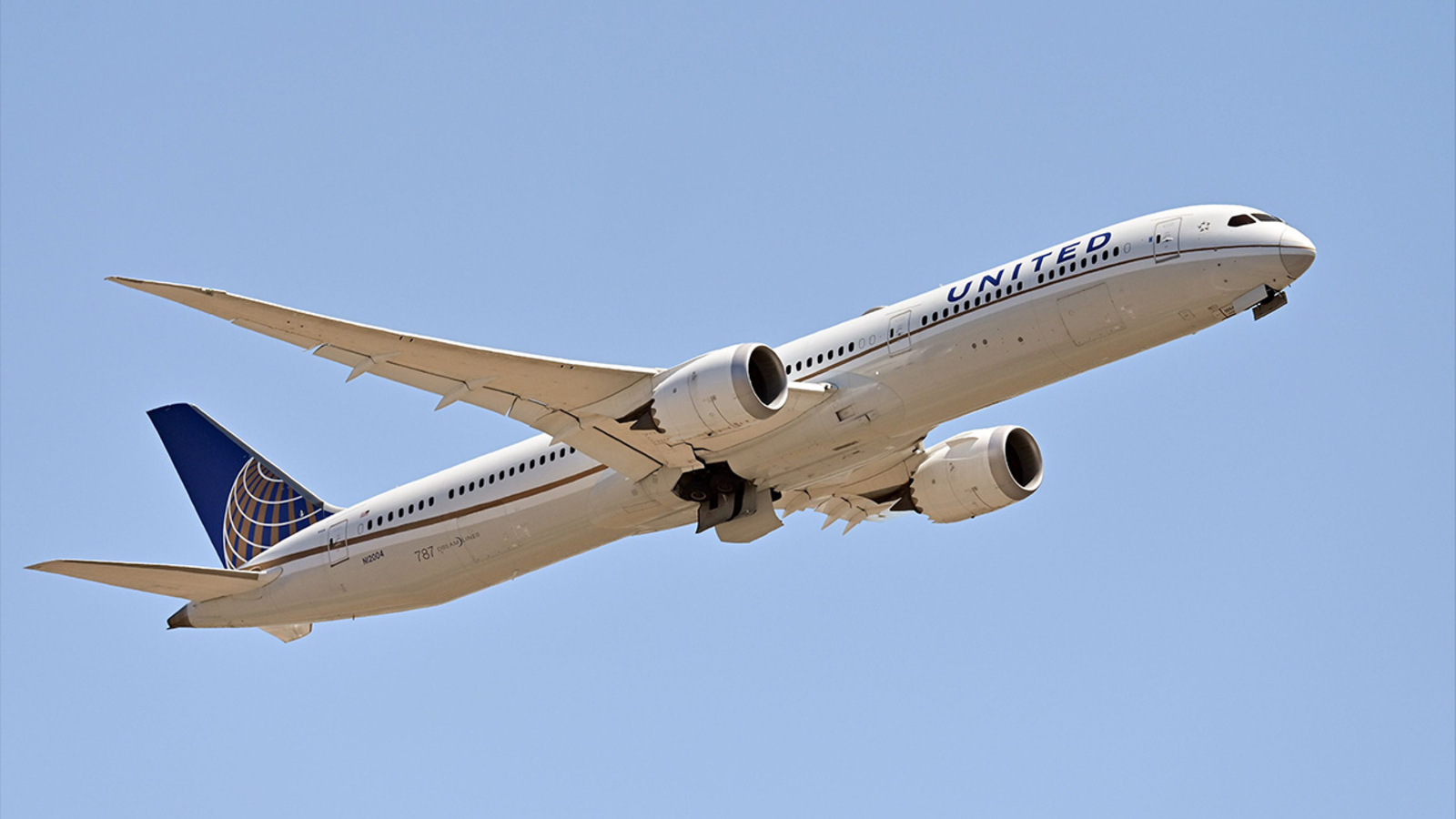
United Airlines Flight 2005, which was en route from Chicago to Minneapolis, was forced to divert to Madison, Wisconsin, on Friday following reports of an unruly passenger on board. The unscheduled landing occurred as flight crews managed a security-related incident that necessitated the intervention of local authorities upon arrival at Dane County Regional Airport.
The incident involving an unruly passenger on a commercial flight highlights the ongoing challenges airlines face regarding in-flight safety and the protocols established to manage disruptive behavior. While the flight was initially bound for Minneapolis-St. Paul International Airport, the decision to divert to Madison allowed the crew to address the situation in a controlled environment, ensuring the safety of the remaining passengers and the integrity of the aircraft.
Security Protocols and Flight Diversion
When an in-flight disturbance occurs, commercial airlines follow strict safety procedures mandated by the Federal Aviation Administration (FAA). These protocols prioritize the containment of threats and the immediate diversion of the aircraft to the nearest suitable airport if the crew determines that the situation poses a risk to the flight deck or passenger safety. You can review the FAA’s guidance on unruly passenger incidents for a comprehensive understanding of the legal and procedural framework governing such events.

Upon landing in Madison, law enforcement personnel were dispatched to meet the aircraft. While details regarding the specific nature of the passenger’s behavior remain part of an active review by aviation authorities and local law enforcement, the prompt response from the flight crew ensured that the aircraft was secured. Passengers on board were subsequently managed by ground staff, with United Airlines coordinating alternative travel arrangements to complete their journey to Minneapolis.
Managing Disruptive Passengers in Modern Aviation
The aviation industry has seen a heightened focus on passenger conduct in recent years. Airlines are increasingly utilizing federal regulations that permit the imposition of significant civil penalties for individuals who interfere with the duties of a crew member. These regulations are designed to serve as a deterrent against incidents that disrupt the safe operation of flights.
For passengers who find themselves impacted by flight disruptions, the U.S. Department of Transportation’s Airline Customer Service Dashboard provides essential information regarding service commitments and consumer protections. Understanding these rights is vital for travelers navigating the complexities of modern air travel, especially when unexpected diversions occur due to security or safety concerns.
What Happens Next?
Following the diversion of Flight 2005, the incident will undergo a standard review process. This typically involves the collection of statements from the flight crew and passengers, as well as a formal report submitted to the FAA and relevant law enforcement agencies. Depending on the findings of these reports, the individual involved could face federal investigations or potential charges related to interference with flight crew members.
As of this writing, United Airlines has not released further details regarding the identity of the passenger or the specific sequence of events that led to the cockpit-related security concern. Further updates are expected as the investigation continues. Travelers with upcoming flights are encouraged to check their status directly through the United Airlines official flight status portal for the most accurate and real-time information regarding their travel schedules.
We will continue to monitor this story as official reports are released by the authorities. If you have been affected by this flight disruption or have insights into the evolving safety protocols in aviation, please share your thoughts in the comments section below. We welcome professional and fact-based discussion regarding the future of air travel security.
Worth a look
- The Trump Administration’s Venice Biennale Debut: Art, Values, and a Whole Lot of Nothing
- Top Events in Riga This Weekend: Jazz, Art, and Lily Exhibitions
- Sales Consultant – Madison, Ridgeland & Canton (archyde.com)
- SpaceX Stock Falls Below IPO Price Amid Volatility Before Starship Flight (archyworldys.com)