
As the conflict in Ukraine continues to evolve, international attention remains fixed on the rhetoric surrounding potential escalations. Ukrainian President Volodymyr Zelenskyy has recently addressed reports concerning a possible large-scale attack, underscoring the persistent security challenges facing the nation. In a landscape defined by shifting frontlines and heightened defensive postures, the Ukrainian leadership continues to emphasize the importance of global solidarity and military readiness.
The current security environment remains volatile, with both domestic authorities and international observers closely monitoring developments. While specific strategic assessments are often kept confidential for security reasons, the public discourse reflects a heightened state of alert. For those following the situation, official updates from the Office of the President of Ukraine serve as the primary source for government policy and defensive strategies.
Understanding the Current Security Landscape
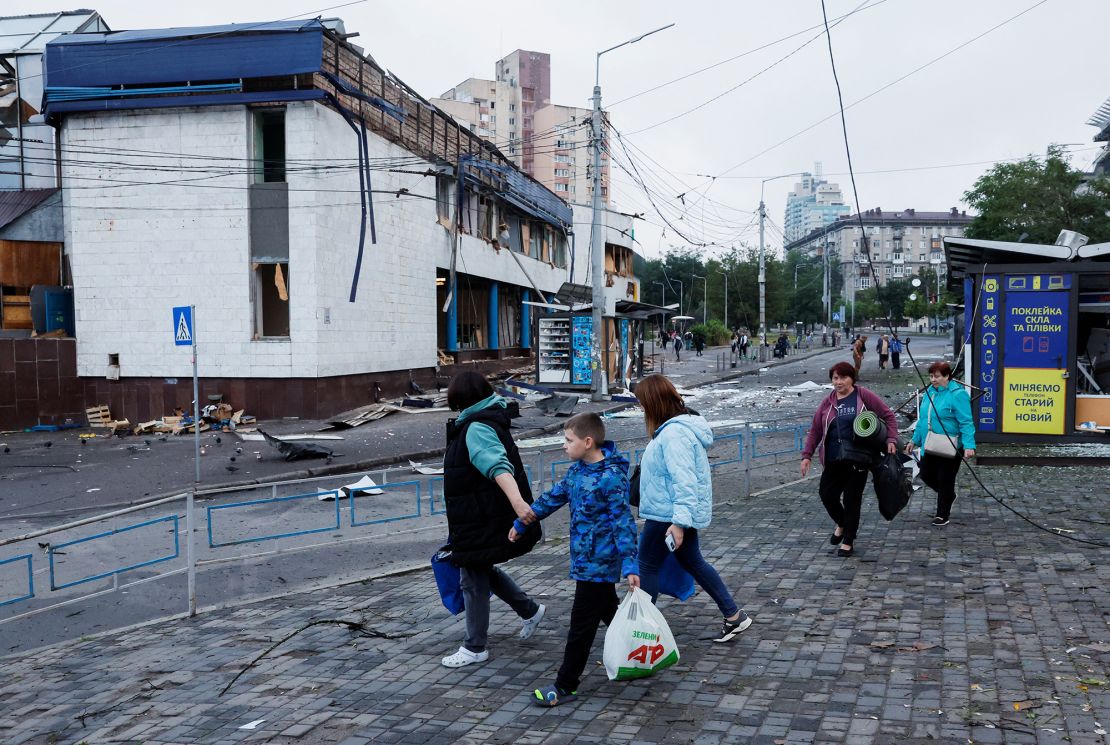
The ongoing tension between Russia and Ukraine has necessitated a robust response from Kyiv, involving both diplomatic outreach and domestic mobilization. President Zelenskyy has consistently highlighted that the defense of Ukrainian sovereignty remains the nation’s highest priority. According to the Organization for Security and Co-operation in Europe (OSCE), which has monitored the conflict since its inception, the humanitarian and security implications of large-scale military actions are profound, affecting millions of civilians across the region.
The strategic focus for the Ukrainian government involves a multi-pronged approach: strengthening air defense systems, securing international aid, and maintaining the morale of the citizenry. As noted by the North Atlantic Treaty Organization (NATO), which has provided extensive support to Ukraine’s defensive capabilities, the resilience of the Ukrainian armed forces is a critical factor in mitigating the impact of systematic strikes on infrastructure and urban centers.
The Role of International Diplomacy
Diplomatic channels remain the primary venue for managing the broader geopolitical fallout of the conflict. Leaders across Europe and North America continue to coordinate on sanctions, humanitarian assistance, and the provision of defensive equipment. The United Nations has repeatedly called for the protection of civilians and the adherence to international humanitarian law, particularly regarding the targeting of critical infrastructure in densely populated areas.
For international observers and those seeking to understand the legal framework of the conflict, the International Criminal Court (ICC) has opened investigations into alleged war crimes, providing a mechanism for accountability that transcends the immediate battlefield. This institutional involvement underscores the gravity with which the international community views the current escalation of hostilities.
Key Considerations for Global Stakeholders
As the situation unfolds, several factors remain central to the ongoing discussion regarding regional stability:
- Infrastructure Resilience: The focus on protecting energy and communication grids remains a top priority for Ukrainian authorities.
- Humanitarian Impact: International agencies continue to track the displacement of populations and the need for medical and food security.
- Strategic Communication: The use of information and rhetoric by both sides is a significant component of the broader struggle for domestic and international support.
The Ukrainian government’s recent statements emphasize that while the threat of intensified military action is present, the country remains committed to a defensive strategy aimed at protecting its territorial integrity. Citizens and international observers are encouraged to rely on verified channels, such as the Cabinet of Ministers of Ukraine, for real-time safety advisories and official government directives.
Looking Ahead: Monitoring the Situation
As we look toward the coming weeks, the international community will continue to watch for updates regarding the status of the conflict. The next major checkpoint for many international stakeholders will be the upcoming multilateral summits, where security assistance and the future of regional stability are expected to be high on the agenda. Maintaining a clear, factual understanding of these events is essential for all who follow global affairs.
I would welcome your thoughts on how international institutions can better support regional stability during this period. Please feel free to share this report and join the conversation in the comments section below, where we can continue to discuss the implications of these developments for our global community.
Related reading