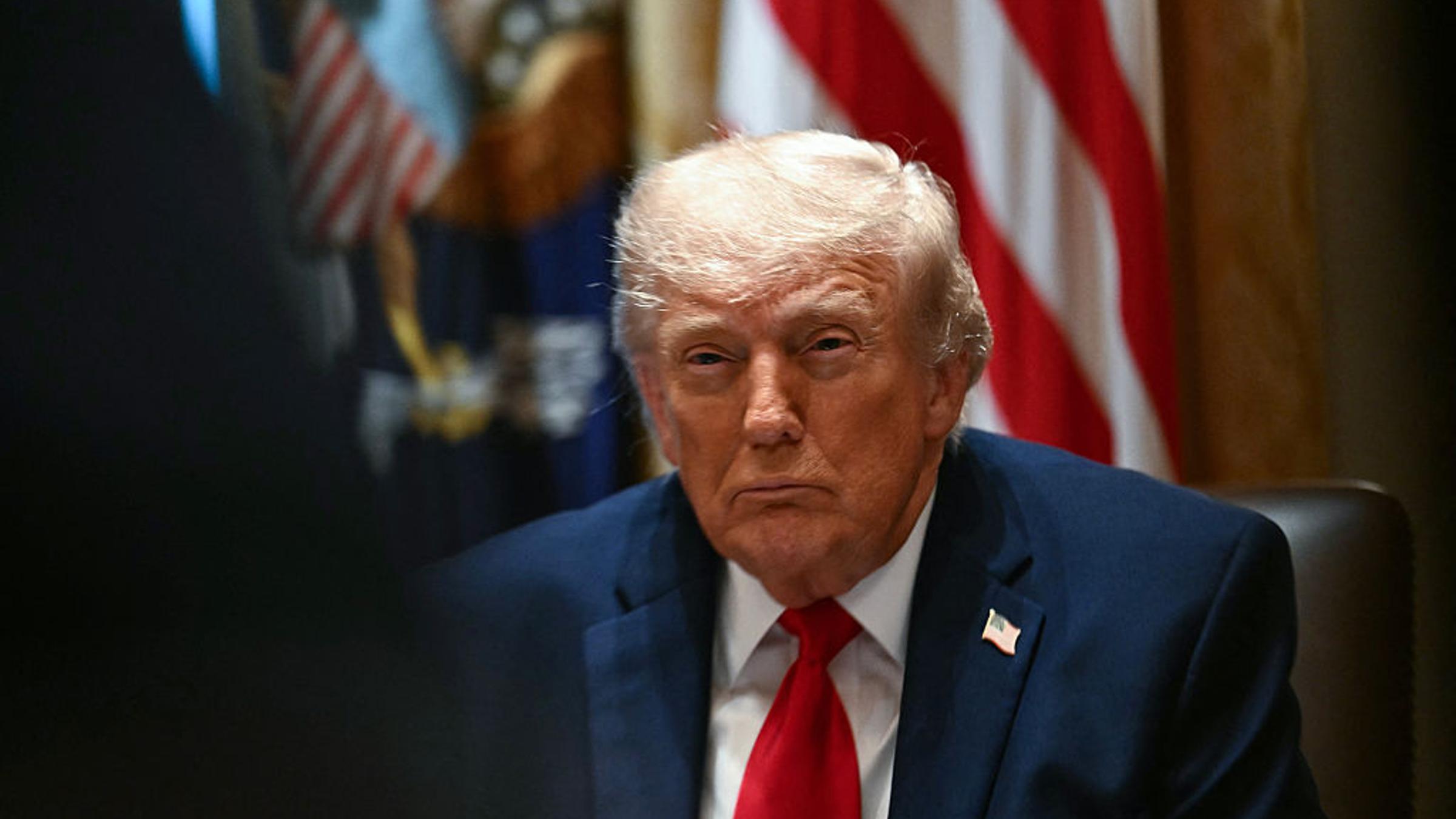
As President Donald Trump approaches his 80th birthday next month, the White House has released a summary of his latest medical examination, declaring the Commander-in-Chief to be in “excellent health.” The report, issued following an assessment at the Walter Reed National Military Medical Center, comes at a time of heightened public interest in the longevity and physical readiness of the nation’s highest officeholders. Dr. Sean Barbabella, the White House physician, summarized the findings in a three-page document that highlights both the President’s current functional capabilities and areas where medical professionals have advised lifestyle modifications.
The disclosure arrives amidst a broader national conversation regarding the transparency of presidential health records. While the American public has grown accustomed to the tradition of presidents releasing health summaries—a practice followed by each of the last six predecessors—there is no federal mandate requiring such disclosures. According to data from a 2025 Axios-Ipsos poll, more than 70% of respondents expressed skepticism regarding the honesty of politicians concerning their personal health, and nearly three-quarters of Americans support a legal requirement for the sitting President to release their medical records. The protection of medical privacy remains governed by the Health Insurance Portability and Accountability Act (HIPAA), leaving the level of detail provided to the public largely to the discretion of the administration.
Clinical Findings and Physical Status
The medical report indicates that President Trump, who stands 75 inches tall, weighed in at 238 pounds during his latest checkup. This figure represents an increase of 14 pounds since his previous exam in April 2025. With these metrics, the President’s body mass index (BMI) is calculated at 29.7, placing him at the upper threshold of the overweight category, just below the clinical definition of obesity, which begins at a BMI of 30. Dr. Barbabella noted that the President has been provided with specific guidance regarding nutrition, increased physical activity, and a regimen aimed at achieving weight loss.
Despite the weight gain, the physician’s assessment remains positive regarding the President’s internal systems. The report details “strong cardiac, pulmonary, neurological, and overall physical function,” concluding that the President is fully capable of carrying out the duties of his office. Clinical testing performed at Walter Reed included an echocardiogram, an ultrasound of the carotid arteries, comprehensive blood panels, and screenings for depression, and anxiety. Notably, the report estimated the President’s cardiac age to be 14 years younger than his chronological age, a metric Dr. Barbabella attributed in part to a demanding daily schedule and consistent physical engagement.
The report also addressed specific, observable health markers. The President continues to manage high cholesterol using rosuvastatin and ezetimibe, alongside a daily aspirin regimen intended to mitigate the risk of cardiovascular events. Regarding visible bruising on the President’s hands, the report characterizes this as a common and benign side effect of the aspirin therapy, noting it is consistent with minor soft tissue irritation from frequent handshaking. The medical summary confirmed that the President’s ears were in normal condition, save for scarring on the right ear resulting from the assassination attempt in Butler, Pennsylvania, in July 2024.
Public Perception and Cognitive Scrutiny
The question of presidential fitness has moved to the forefront of the political discourse as the current administration navigates a climate of intense scrutiny. This focus follows a period during which former President Joe Biden faced significant public and media speculation regarding age-related decline. For President Trump, the data suggests a divided electorate; a recent Washington Post-ABC News-Ipsos poll found that approximately 59% of Americans harbor doubts about his mental acuity, while 55% expressed concerns regarding his physical health. These figures represent a slight upward trend in public apprehension compared to surveys conducted earlier in the year.

To address concerns regarding cognitive function, the White House physician reported that President Trump achieved a score of 30 out of 30 on the Montreal Cognitive Assessment (MoCA). This screening tool is widely utilized in clinical settings to identify potential memory issues or signs of cognitive impairment. Nevertheless, polling suggests that the release of such clinical data does little to sway a public that has become increasingly cynical about the disclosure process. An Economist/YouGov poll from April found that 48% of U.S. Respondents believe the President is too old for the office, and a February Reuters/Ipsos survey indicated that 61% of Americans perceive the President as becoming more erratic with age.
Addressing Chronic Conditions
In addition to cardiovascular health, the report provided an update on the President’s chronic venous insufficiency. Last summer, the White House confirmed this diagnosis, which involves the improper functioning of valves in the legs, leading to blood pooling. The latest medical summary noted that there has been an improvement in the condition, with only slight lower leg swelling observed during the recent examination. This management of chronic symptoms is typical for patients in the 80-year-old demographic, and the medical team reports that the current strategy for managing this condition remains effective.
The President’s approach to his own health regimen has been a subject of public comment as well. In a January interview with the Wall Street Journal, the President discussed his use of aspirin, noting, “They say aspirin is good for thinning out the blood, and I don’t want thick blood pouring through my heart.” This reflects a shift from his previous dosage; while he once took 325 milligrams daily, he has moved toward a more standard preventative dose of approximately 80 milligrams. As the President continues his term, the balance between medical privacy and the public’s desire for transparency will likely remain a fixture of the political landscape.
Summary of Findings
- Weight and BMI: The President weighed in at 238 pounds with a BMI of 29.7, prompting medical recommendations for weight management and increased physical activity.
- Cardiac Health: Despite his age, the report estimates the President’s cardiac age to be 14 years younger than his chronological age, supported by ongoing cholesterol management.
- Cognitive Assessment: The President achieved a perfect score of 30/30 on the Montreal Cognitive Assessment, a standard test for cognitive function.
- Public Sentiment: Despite the medical findings, polling from the Washington Post-ABC News-Ipsos and others indicates that a majority of Americans remain skeptical of the President’s physical and mental readiness for office.
As the administration moves forward, the President’s health will continue to be evaluated through routine checkups. While no further public release of medical records is currently scheduled, the White House maintains that the President is fit for duty. We invite our readers to share their thoughts on the transparency of presidential health reporting in the comments section below, and we encourage you to stay tuned to the World Today Journal for further updates as they become available.
Related reading