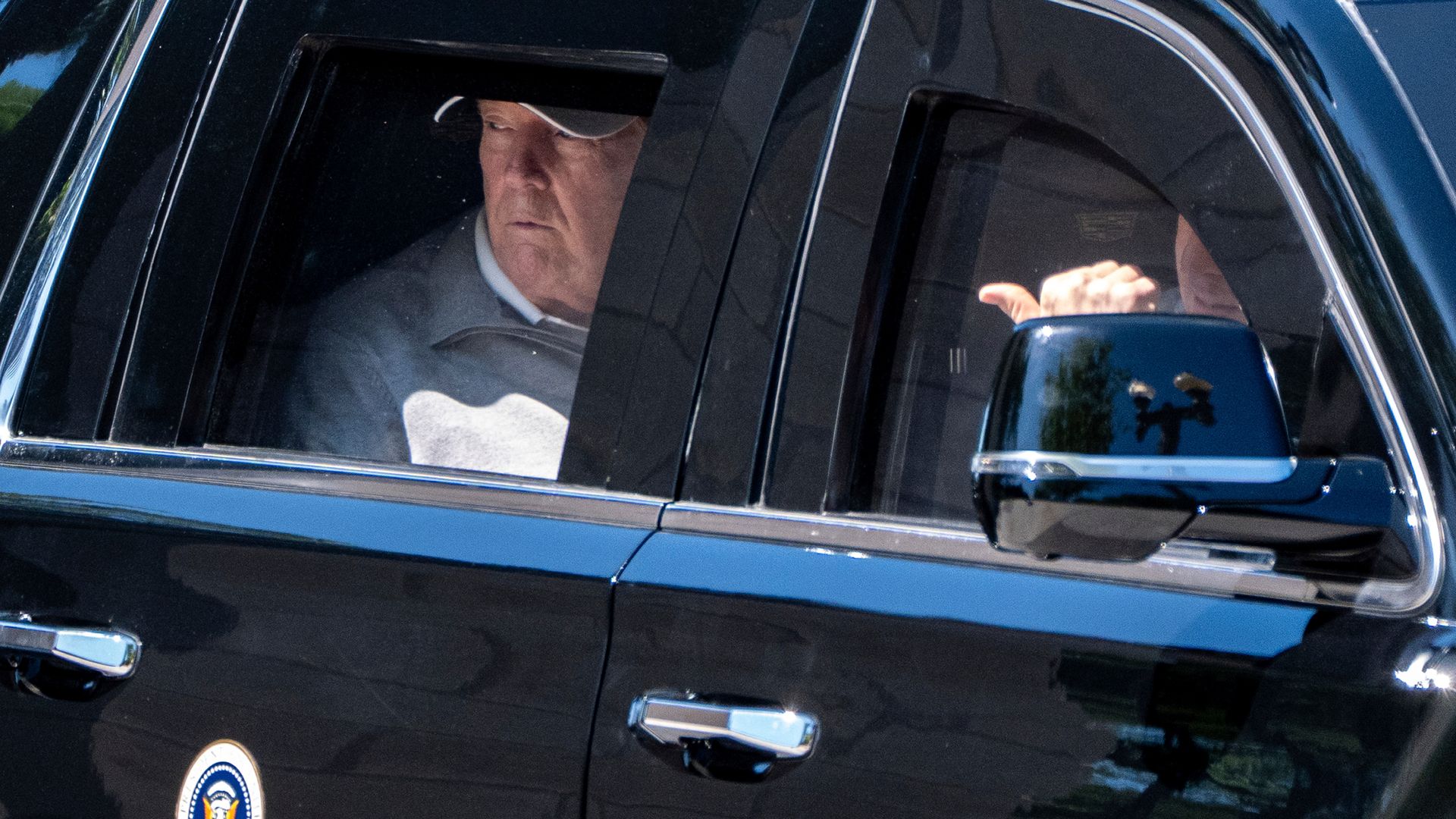
In the landscape of modern American political campaigning, the intersection of celebrity culture and high-stakes electoral strategy has long been a point of friction. Recently, reports have surfaced regarding Donald Trump considering canceling a series of concerts after a number of artists pulled out of scheduled appearances, potentially shifting his strategy toward a more traditional series of political-style rallies. This development highlights the ongoing challenges campaigns face when attempting to bridge the gap between large-scale entertainment events and the logistical demands of a presidential election cycle.
The intersection of music and politics is a storied, if often contentious, tradition. For decades, candidates have sought the “star power” of high-profile musicians to energize crowds and draw media attention. However, when those artists withdraw—often citing creative differences or personal political stances—the campaign is left to reconcile the loss of momentum with the necessity of maintaining a narrative. In this instance, the pivot toward a rally-based format suggests an attempt to regain control of the campaign’s optics and maintain direct engagement with a voter base that has come to define the Trump electoral brand.
The Evolution of Campaign Events
When high-profile entertainment acts remove themselves from political bills, the impact on a campaign can be significant, both financially and in terms of public perception. For a campaign like Donald Trump’s, which relies heavily on the energy of massive, arena-style gatherings, the loss of a musical draw can force a recalibration of the entire event structure. According to Reuters, the logistics of modern campaigning often require months of planning, and sudden changes to the lineup can disrupt the intended flow of communication to supporters.

The “Elvis claim” currently circulating in media circles refers to historical comparisons often drawn by the former president regarding his own public reception. Trump has historically utilized analogies involving cultural icons like Elvis Presley to contextualize his standing with the American public, a rhetorical device that serves to reinforce his populist appeal. These comparisons are rarely about musical talent, but rather about the sheer scale of the crowds and the fervor of the fan base, which he frequently equates to the devotion he seeks from his political supporters.
Strategic Shifts in Political Messaging
Shifting from a concert-style event to a pure political rally is a strategic move that carries both risks and rewards. A concert offers broad appeal, drawing in casual attendees who might not otherwise engage with political discourse. Conversely, a rally is a more targeted effort, designed to mobilize the “base” and provide a platform for the candidate to deliver a “major speech.” This pivot suggests that the campaign is moving toward a strategy of high-intensity messaging, prioritizing the consolidation of existing support over the wider, softer reach of entertainment-focused events.
The Federal Election Commission (FEC) mandates strict reporting on campaign expenditures, and any cancellation of large-scale events would likely require significant administrative adjustments. As the campaign navigates these changes, the focus will undoubtedly remain on the candidate’s ability to command a room and deliver the specific policy critiques that form the backbone of his platform. For many, the rally format is the “home turf” where the candidate feels most comfortable and effective in driving his message.
What Which means for Supporters
For those attending these events, the shift might mean a change in the atmosphere—from a festival-like environment to a more disciplined, speech-heavy political gathering. Supporters are often drawn to these events not just for the spectacle, but for the sense of community and direct access to the candidate’s latest policy stances. The “major speech” that has been floated in reports indicates a potential pivot toward a focused, thematic series of addresses intended to dominate the news cycle in the final months of the political season.
- Event Format: Potential transition from entertainment-heavy concerts to focused, policy-driven political rallies.
- Campaign Strategy: A shift toward “major speeches” to consolidate voter sentiment.
- Cultural Context: Continued use of populist rhetoric and comparisons to historical icons to frame public reception.
Looking Ahead: The Campaign Calendar
As the campaign season moves toward its next major milestones, observers are looking for official announcements regarding the schedule of upcoming rallies. With election deadlines approaching, the state-level election offices are already preparing for the influx of voter inquiries and ballot processing. The Trump campaign has not yet released a definitive list of dates for these proposed rallies, but analysts expect that any official confirmation will be communicated through the campaign’s verified digital channels.

The reliance on the rally format remains a cornerstone of the Trump political identity, and while the cancellation of musical acts may provide a temporary challenge, It’s unlikely to deter the campaign from its core mission. Readers should look for updates via official campaign filings and press releases in the coming weeks. If you have thoughts on how political campaigns should engage with the entertainment industry, feel free to join the conversation in the comments section below.
Worth a look
- 록웰 오토메이션 부사장 테리 리스테터, 주식 12만7359달러 매도 – Investing.com
- Capítulo 144 Vecinos: Testigo delata a Rodolfo y a Álvaro y limpia el nombre de Tatiana – Caracol TV
- Trump Threatens Tariffs on Canada Over Wildfire Smoke and Forest Management (time.news)
- What Is a 'Blue Slip'? The Senate Custom Trump Wants Gone (daybreakwire.com)