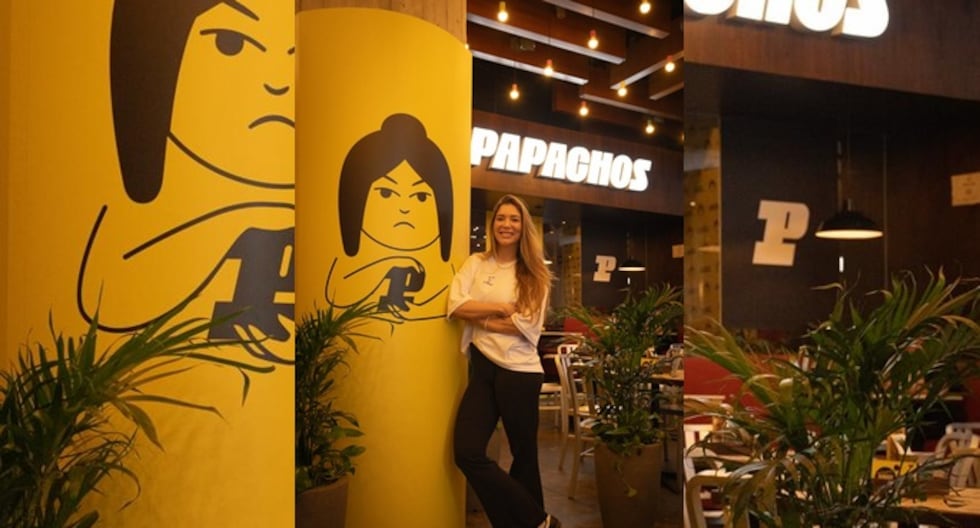
The landscape of the Peruvian culinary scene is undergoing a significant transformation as the next generation of industry leaders steps into the spotlight. Gastón Acurio, a figure synonymous with the global promotion of Peruvian gastronomy, has long been a pillar of the sector through his extensive portfolio of brands. Recently, the conversation has shifted toward the expansion of Sando, a concept spearheaded by his daughter, Iara Acurio, which is now integrating into the Papachos restaurant chain. This strategic move aims to capture a younger, more dynamic demographic, blending traditional culinary mastery with modern, casual dining trends.
For those tracking the evolution of the Acurio restaurant group, this integration represents more than just a menu update. It is a calculated effort to leverage the established infrastructure of Papachos—a chain known for its gourmet burgers and informal environment—to introduce the Sando brand, which focuses on Japanese-style sandwiches. By positioning these offerings within an existing, popular venue, the group is effectively diversifying its consumer base while maintaining the high standards expected from the Acurio name. As the industry continues to recover and adapt to fluctuating economic conditions, such collaborative internal growth strategies have become increasingly vital for maintaining market relevance in Lima’s competitive hospitality sector.
Strategic Integration and Market Positioning
The decision to bring Sando into the Papachos ecosystem is a clear signal of the group’s intent to innovate within the “fast-casual” segment. Papachos, which has maintained a presence in the Peruvian market for several years, provides the ideal platform for a product that is highly portable, aesthetically pleasing, and culturally resonant with younger diners. According to industry analysis, the shift toward smaller, high-quality concepts allows restaurant groups to maximize operational efficiency while catering to the increasing demand for “grab-and-go” premium options, as detailed by PromPerú’s insights on the country’s evolving culinary landscape.
For Iara Acurio, this project serves as a bridge between the legacy of her father’s culinary empire and the preferences of a digital-native generation. The Sando concept relies heavily on the quality of ingredients—a hallmark of Gastón Acurio’s career—but presents them in a format that breaks away from the formal dining experience. By utilizing the existing kitchen and service staff at Papachos, the brand ensures consistency in quality while lowering the barriers to entry for new customers who might otherwise be intimidated by more upscale establishments.
The Evolution of Peruvian Gastronomy
Gastón Acurio’s influence on the global stage has been profound, consistently placing Peruvian cuisine at the forefront of international rankings. His work with institutions like Central and Maido has helped establish a standard of excellence that permeates the entire local industry. The introduction of Sando within Papachos is part of a broader trend where established chefs are diversifying their offerings to include more accessible, everyday meals. This democratization of high-quality food is essential to ensuring that the brand remains relevant across different socio-economic segments and age groups.

The integration also highlights a shift in operational strategy. Rather than launching standalone brick-and-mortar locations for every new concept, the Acurio group is demonstrating the value of “hybrid” restaurant models. This approach not only optimizes real estate usage but also allows for rapid testing of new menu items. Data from the Instituto Peruano de Economía (IPE) suggests that the restaurant sector in Peru remains a critical driver of employment and tourism, making such strategic pivots essential for long-term sustainability in a post-pandemic economy.
What In other words for the Consumer
For the average diner, the arrival of Sando at Papachos means an expanded menu that bridges the gap between traditional Peruvian burger culture and modern international street food. The emphasis on high-quality proteins and artisanal bread reflects a broader trend in Lima’s food scene toward ingredient transparency and craft production. While the menu is designed to be accessible, it maintains the culinary rigor associated with the Acurio family’s commitment to sourcing local products.
The impact of this shift is twofold. First, it provides a more varied experience for regular Papachos customers, encouraging repeat visits. Second, it creates a new entry point for younger demographics who prioritize quick, flavorful, and “Instagrammable” dining experiences. By tapping into the Sando trend—which has seen a surge in popularity across major global culinary hubs—the group is ensuring that its domestic portfolio remains as dynamic as its international ventures.
Future Outlook and Industry Impact
Looking ahead, the success of this integration will likely serve as a blueprint for future expansion efforts. As the group continues to navigate the complexities of the modern restaurant market, the ability to iterate and adapt will be the defining factor of success. Industry observers will be watching closely to see if this model of internal cross-pollination leads to further brand expansions or if it remains a unique experiment for the Papachos chain.
For those interested in the broader economic implications of these trends, the Central Reserve Bank of Peru (BCRP) provides ongoing reports on the performance of the services and hospitality sectors, which provide context for how restaurant groups are adjusting their strategies in response to inflationary pressures and changing consumer habits. The move to bring Sando into Papachos is not just a culinary decision; it is a strategic business maneuver designed to ensure the Acurio legacy endures through evolving market tastes.
We will continue to monitor the performance of this new menu addition and provide updates on any further expansions within the Acurio group. As the lines between casual and fine dining continue to blur, the agility of these major players will be a key indicator of the health of the Peruvian restaurant industry. We invite our readers to share their thoughts on this transition and whether they believe the “hybrid” restaurant model is the future of dining in the comments section below.
Related reading