
The landscape for the upcoming semiquincentennial celebrations in Washington, D.C., has shifted dramatically this week as a growing number of high-profile performers have officially withdrawn from the scheduled Freedom 250 concert series. What was intended to be a nonpartisan tribute to America’s 250th birthday has instead become a flashpoint for public debate, leading to a rapid exodus of headlining acts from the National Mall event.
The roster, which was slated to include a diverse array of musical icons, is currently undergoing significant revision. Bret Michaels, the frontman for the rock band Poison, became the latest major artist to confirm his departure from the series. His exit follows similar announcements from country star Martina McBride, as well as The Commodores, Morris Day & the Time, and Young MC. As organizers navigate this period of uncertainty, the Freedom 250 artist withdrawals have drawn intense scrutiny toward the event’s organizational structure and its connection to the White House-led initiatives surrounding the nation’s upcoming anniversary.
The situation remains fluid, as the event is currently scheduled to take place from June 25 through July 10, according to public filings associated with the U.S. Semiquincentennial Commission. While the organizers maintain that the initiative is designed to be a unifying, nonpartisan celebration, the sudden departure of several marquee names suggests a deepening divide over the event’s political associations and the public reception of its programming.
The Rationale Behind the Artist Withdrawals
For many of the artists who have stepped away, the decision was framed as a necessary measure to prioritize personal safety and professional integrity. In a formal statement addressing his withdrawal, Bret Michaels clarified that his initial motivation for participating was to support a celebration intended for all Americans. However, he noted that the atmosphere surrounding the event had become increasingly contentious.
“This isn’t about politics,” Michaels stated, emphasizing that he values the freedoms protected by the nation’s veterans. He further explained that after assessing the situation, he concluded that the event had become “divisive and dangerous,” citing specific threats made toward him, his band, and his crew as the primary catalyst for his departure. His decision highlights the growing pressure on public figures to align their performance schedules with their personal values in a polarized political climate.
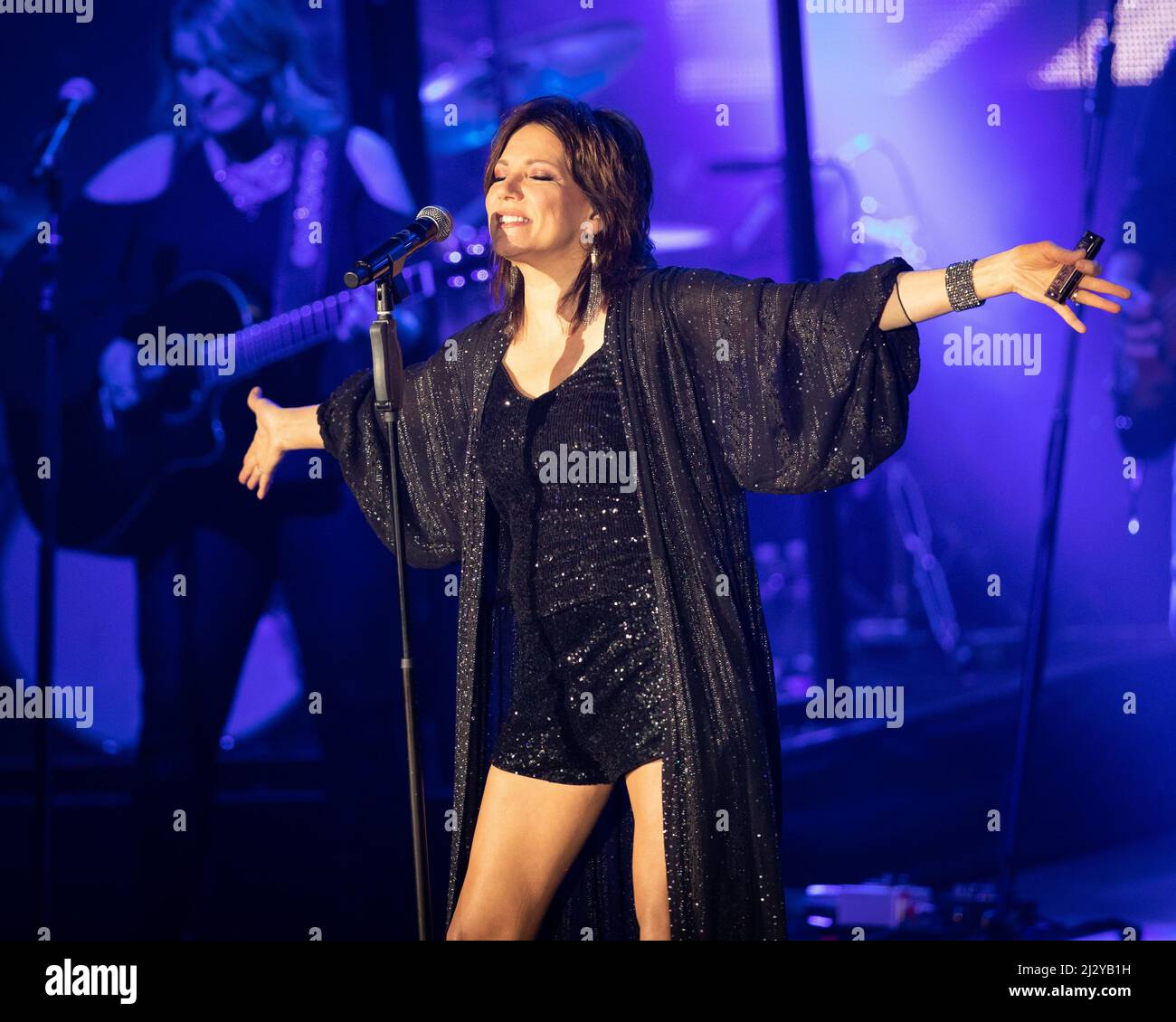
Martina McBride echoed similar concerns regarding the potential for her participation to be misinterpreted by her fanbase. Addressing the backlash that followed the initial lineup reveal, she expressed her disappointment that her involvement might lead fans to believe she was abandoning the themes of her music. “I’ve spent my entire career singing songs about real people with real issues,” McBride noted, underscoring her commitment to her audience’s interpretation of her artistic legacy.
The Current State of the Freedom 250 Lineup
Despite the high-profile exits, organizers of the Great American State Fair concert series have signaled their intent to proceed with the planned schedule. The remaining lineup, which currently includes acts such as Vanilla Ice, Milli Vanilli, Flo Rida, and C+C Music Factory, continues to be a subject of intense discussion across social media and entertainment news outlets. The mix of genres and the unique history of the performers involved have led some critics to label the remaining roster as an ideologically and stylistically complex collection of artists.
Rob Morvan, the remaining original member associated with the brand name Milli Vanilli, expressed a different perspective, stating his continued commitment to the event. In his public comments, he emphasized a desire to entertain and unite audiences, framing the concert as a way to celebrate the country’s 250-year history. This divergence in approach between those who have left and those who remain underscores the lack of consensus within the music industry regarding participation in the event.
What Happens Next?
As of this writing, the Freedom 250 organization has not issued a revised list of performers or a statement detailing how they intend to replace the artists who have withdrawn. The logistical challenges of reconfiguring a major concert series on the National Mall are significant, and observers are waiting to see if additional acts will follow suit or if the organizers will announce new additions to the bill.
/national-mall-56a236b35f9b58b7d0c7f6ad.jpg "National Mall")
For those interested in the official timeline and developments regarding the nation’s semiquincentennial preparations, updates are periodically posted through the official America250 federal website. The event remains one of the most closely watched cultural milestones leading up to the 2026 anniversary. As public scrutiny continues to mount, the future of the concert series remains a key indicator of the intersection between national celebrations and the influence of public discourse on cultural institutions.
What are your thoughts on how artists should navigate political associations when booking major public events? Share your perspective in the comments below, and stay tuned to our business and culture section for further updates on this developing story.
Keep reading