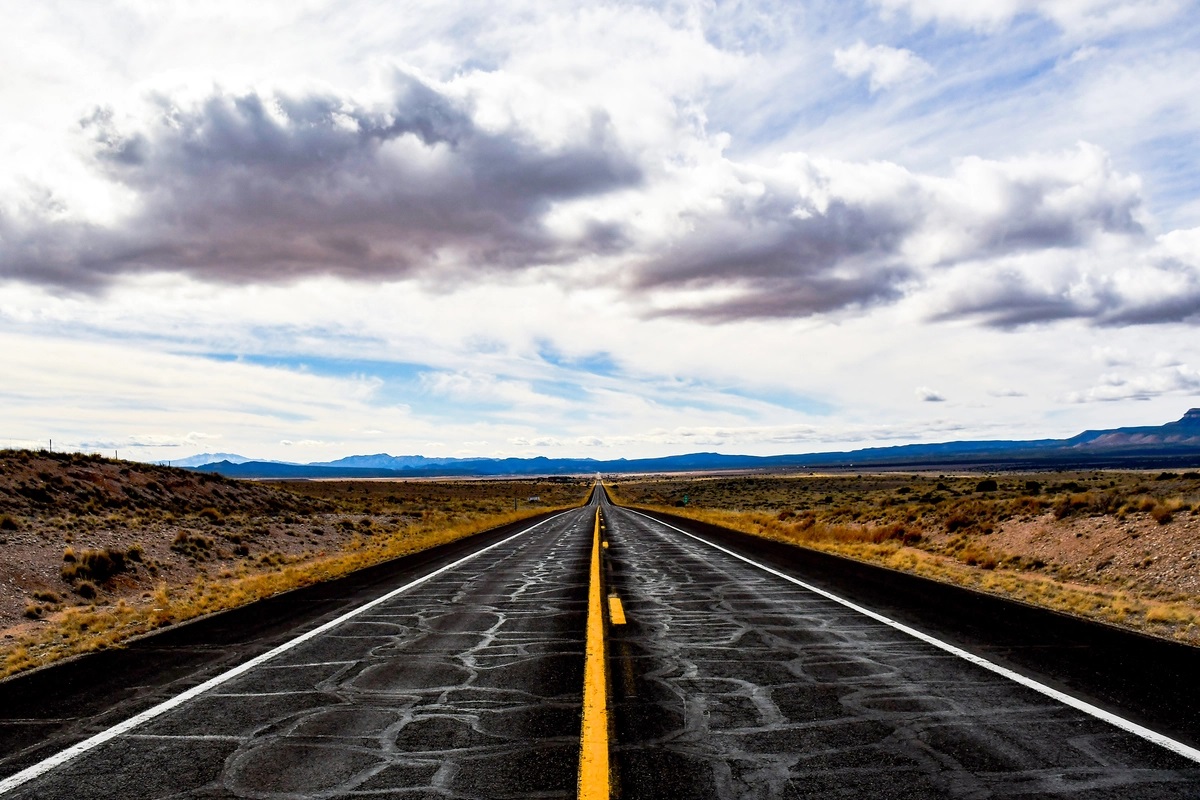
As I look back on my fourteen years of covering global affairs, few symbols of human movement and cultural evolution resonate as profoundly as the “Mother Road.” With the centennial of U.S. Highway 66 approaching in 2026, the world is turning its eyes toward the ribbon of asphalt that once served as the primary artery for the American westward migration. While many view it through the lens of nostalgia, I have found that a journey across these 2,448 miles (approximately 3,940 kilometers) reveals something far more compelling: a resilient, evolving narrative of a changing nation.
The history of Route 66 is not merely one of pavement and roadside motels. it is a ledger of 20th-century economic shifts. Established in 1926 as part of the initial U.S. Highway System, the route was officially decommissioned in 1985 after the rise of the Interstate Highway System rendered it obsolete for modern logistics. Yet, to travel it today is to witness a remarkable renaissance. From the windswept streets of Chicago to the sun-drenched terminus at the Santa Monica Pier, the road has reinvented itself as a global pilgrimage site for travelers seeking a slower, more deliberate connection to the past.
The Evolution of a Cultural Icon
The transformation of Route 66 from a defunct transport corridor to a protected cultural heritage site has been a decades-long effort by local communities and preservationists. According to the National Park Service, the Route 66 Corridor Preservation Program was established by Congress in 1999 to provide financial and technical assistance to those working to save the road’s historic architecture. This federal recognition was a turning point, ensuring that the neon signs, mid-century diners, and classic service stations—often referred to as “roadside architecture”—were not lost to time.
For the international observer, this revival provides a fascinating case study in adaptive reuse. In towns across Oklahoma, New Mexico, and Arizona, local entrepreneurs have breathed new life into dilapidated structures, converting them into museums, boutique cafes, and art galleries that cater to a global audience. This represents not just about tourism; it is about local identity. The road effectively acts as a bridge between the industrial grit of the Midwest and the expansive, arid beauty of the American West, forcing travelers to engage with landscapes that the high-speed interstate system intentionally ignores.
Navigating the Path: A Global Perspective
Traveling the entirety of the route requires a significant investment of time and a willingness to embrace the unexpected. While the original alignment has been broken by modern highways, the U.S. Route 66 Centennial Commission is currently coordinating efforts to ensure that the 2026 celebrations highlight the historical continuity of the route. For those planning a trip, the experience is less about the destination and more about the micro-economies that sustain the “Mother Road.”
In my own research, I have noted that the demographic profile of the “Route 66 traveler” has shifted significantly. It is no longer just the American retiree in a recreational vehicle; it is a diverse mix of European, Asian, and South American adventurers drawn by the romanticism of the open road. This influx of international interest has been a vital economic stimulus for small towns that were bypassed by the interstates. When a traveler from abroad stops for coffee in a small town in Missouri, they are not just buying a beverage; they are participating in the ongoing preservation of a historical landmark.
Key Takeaways for Future Travelers
- Historical Context: Route 66 was established in 1926 and officially decommissioned in 1985, though segments remain drivable today.
- Preservation Efforts: The National Park Service manages the Route 66 Corridor Preservation Program to maintain the road’s cultural and historical integrity.
- Planning: Always verify current road conditions, as some historic sections may be undergoing maintenance or repair.
- Centennial Planning: The U.S. Route 66 Centennial Commission is overseeing official events leading up to the 100th anniversary in 2026.
Challenges and the Path Forward
Despite the romantic image, the road faces ongoing challenges. Environmental concerns, the physical decay of aging structures, and the need for sustainable tourism development are constant topics of discussion among local stakeholders. The reliance on individual vehicle travel also poses a contradiction in an era increasingly focused on reducing carbon footprints. However, the movement toward “slow travel”—the philosophy of staying longer in one place and engaging deeply with the local community—is helping to mitigate some of these impacts.

The upcoming centennial is a critical moment for the route. As the National Park Service emphasizes, the goal is to balance the preservation of the past with the demands of the future. Whether it is through digital archives or physical restoration, the effort to keep the spirit of Route 66 alive remains a testament to the human desire to document our history in the remarkably places where it was written.
As we approach the 2026 centennial, the focus will shift toward official commemorations and public events across the eight states the road traverses. For those interested in tracking the progress of these plans, the U.S. Route 66 Centennial Commission provides the most accurate and up-to-date information regarding upcoming events and legislative updates. I encourage you to share your own experiences of the road in the comments section below—there is no better way to document history than through the stories of those who have driven its path.