
As central banks globally navigate the complexities of post-pandemic inflation and shifting monetary policy, South Korea’s financial landscape remains under intense scrutiny. Investors and homeowners who have leveraged significant debt—a demographic often referred to in local markets by terms describing aggressive borrowing for real estate or equity investments—are facing mounting pressure as the Bank of Korea maintains a cautious stance on interest rates. For these borrowers, the prospect of a sustained high-interest environment represents a significant challenge to household financial stability.
The current climate of rising interest rate concerns has created a palpable sense of anxiety among those who committed to heavy debt obligations during periods of lower borrowing costs. As the Bank of Korea evaluates its monetary policy, the primary focus for policymakers remains the stabilization of inflation and the management of household debt levels, which have reached historically significant heights in the South Korean economy. According to the Bank of Korea’s official monetary policy communications, the institution continues to prioritize price stability, which often necessitates keeping borrowing costs elevated to temper consumer demand and curb inflationary pressures.
Understanding the Impact of Monetary Policy on Household Debt
The relationship between the base interest rate and individual borrowing costs is direct. When the central bank signals a hawkish stance, commercial banks typically adjust their lending rates upward, affecting everything from variable-rate mortgages to personal credit lines. For households that have utilized significant leverage, even a marginal increase in the base rate can lead to a substantial rise in monthly debt-servicing requirements. This “interest bomb” scenario is not merely a theoretical risk; it is a reality for thousands of families whose disposable income is increasingly diverted toward interest payments rather than consumption or savings.
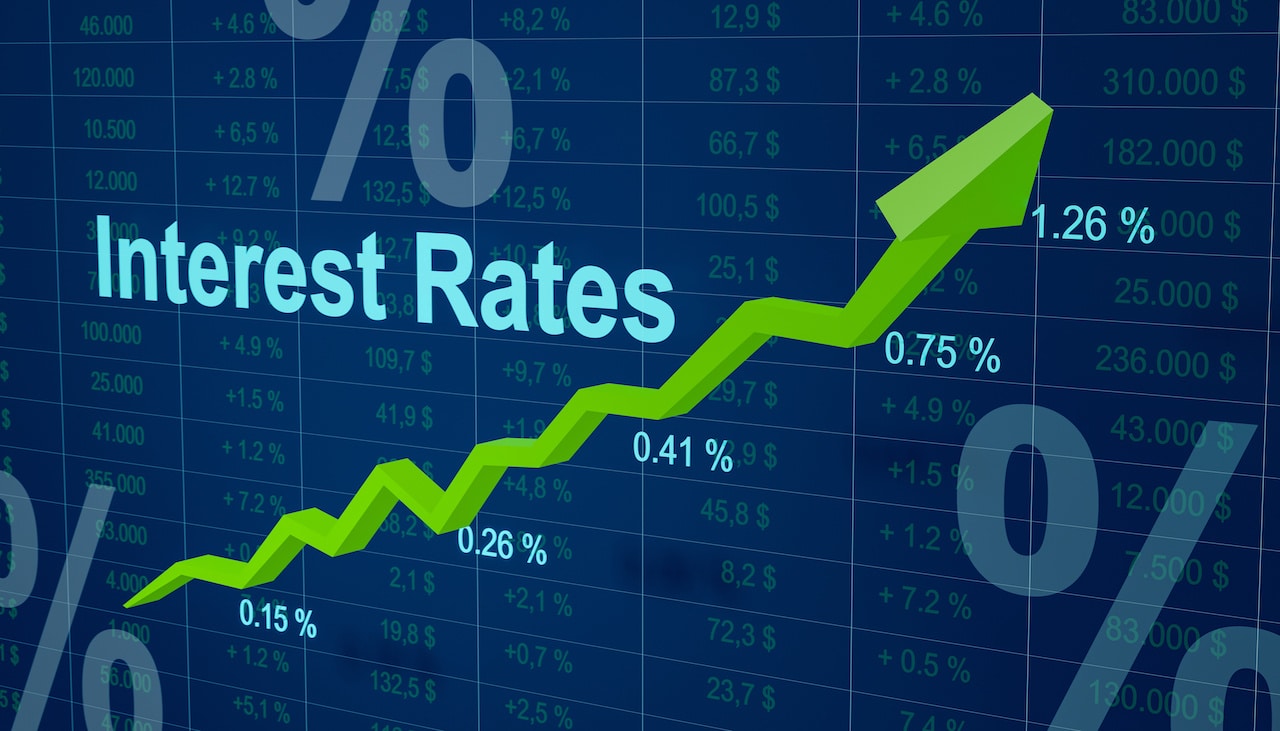
Data from the Financial Supervisory Service highlights the ongoing efforts to monitor the health of the lending market. Regulators have expressed concerns regarding the concentration of debt among younger cohorts who entered the housing market at the peak of recent valuations. The potential for a “debt trap” is exacerbated by the fact that many of these loans are tied to floating rates, leaving borrowers fully exposed to the fluctuations of the central bank’s policy decisions. As noted in recent OECD economic surveys regarding South Korea, managing this high level of private debt is essential to preventing systemic risks to the broader financial sector.
Strategic Considerations for Borrowers
For those currently managing high debt loads, the environment demands a rigorous reassessment of personal financial strategy. Financial experts often suggest that borrowers in this position prioritize liquidity and consider the benefits of shifting from variable to fixed-rate products where possible, though the latter often comes with a premium. The Financial Services Commission regularly issues guidance regarding prudent debt management, emphasizing the importance of stress-testing household budgets against further rate hikes.

Understanding the broader macroeconomic indicators is also critical. Borrowers should monitor updates from the Bank of Korea’s Monetary Policy Board meetings, which are held periodically throughout the year to deliberate on interest rate adjustments. These sessions serve as the primary indicator for the direction of the national economy and provide the necessary context for anticipating future shifts in borrowing costs.
Key Takeaways for Market Participants
- Interest Rate Sensitivity: Borrowers with high debt-to-income ratios are disproportionately affected by even incremental changes in the base rate.
- Regulatory Oversight: South Korean financial authorities are actively monitoring household debt levels to ensure banking sector stability.
- Proactive Management: Experts recommend that highly leveraged individuals conduct regular stress tests on their finances to prepare for potential rate increases.
- Macroeconomic Monitoring: Staying informed through official Bank of Korea releases is the most reliable way to anticipate changes in the lending environment.
Looking Ahead: The Path to Stability
The financial future for many South Korean households hinges on the central bank’s ability to balance inflation control with the need for economic growth. As the global economy continues to face uncertainties, the Bank of Korea is expected to remain data-dependent, adjusting its policies based on incoming figures regarding consumer prices and employment. The next scheduled policy review will be a pivotal moment for market participants to gauge whether the current cycle of high-interest rates will persist or if there is room for a shift in the medium term.
the era of “easy money” has definitively concluded, and the focus has shifted toward debt sustainability and fiscal discipline. While the current situation presents clear hardships for those heavily indebted, it also serves as a necessary correction for a market that had become accustomed to historically low borrowing costs. We encourage our readers to share their thoughts in the comments section below regarding how these policy shifts have impacted their personal financial planning or their outlook on the local property and equity markets.