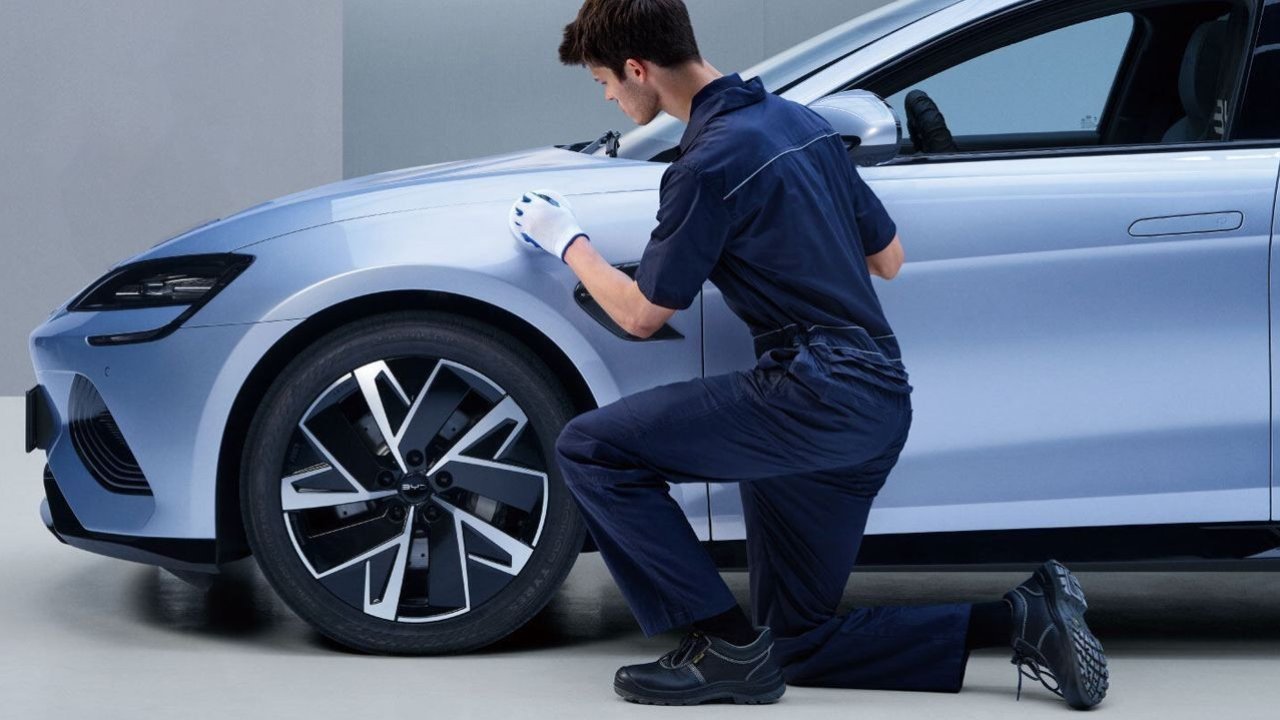
As the European automotive landscape faces a seismic shift toward electrification, Chinese manufacturer BYD is doubling down on its commitment to the continent. In a strategic move to bolster consumer confidence and challenge established legacy automakers, the company has begun rolling out aggressive service and warranty packages that extend well beyond industry standards. This latest maneuver, which includes provisions for extended free maintenance, marks a significant escalation in the competitive pressure currently reshaping the European electric vehicle (EV) market.
For many European motorists, the transition to battery-electric vehicles (BEVs) remains hampered by concerns regarding long-term reliability and the cost of servicing specialized components. By offering 10 years of free maintenance—a policy already gaining traction in specific regional markets—BYD is effectively attempting to decouple the purchase price from the total cost of ownership. This strategy is not merely a marketing gimmick. it is a calculated effort to dismantle the “uncertainty barrier” that often prevents traditional internal combustion engine (ICE) drivers from making the switch to electric.
The expansion of these service programs coincides with a period of intense regulatory scrutiny and shifting trade policies. As BYD continues to scale its operations, the focus has moved from simple market entry to long-term customer retention. Analysts note that by providing such extensive coverage, the automaker is signaling a high degree of confidence in its proprietary “Blade Battery” technology and its integrated vertical supply chain, which the company claims provides a unique advantage in cost control and quality assurance. Official company disclosures emphasize that these initiatives are designed to align with the European Union’s ambitious “Fit for 55” climate targets, which aim to reduce net greenhouse gas emissions by at least 55% by 2030.
Challenging the Legacy Automotive Paradigm
For decades, the European automotive market has been dominated by a handful of domestic manufacturers whose service networks are deeply embedded in the consumer psyche. BYD’s entry into this space represents a fundamental disruption of that status quo. By offering extended service intervals and long-term maintenance commitments, the company is directly addressing the primary pain point for prospective EV owners: the fear of high, unpredictable maintenance costs once the standard manufacturer warranty expires.
This approach is particularly critical as the European Commission continues its investigations into state subsidies for Chinese electric vehicles. In July 2024, the European Union implemented provisional tariffs on Chinese-made EVs, citing concerns over unfair competitive advantages. Despite these trade barriers, BYD has maintained its growth trajectory by focusing on localizing its supply chain and investing in regional partnerships. According to the European Commission’s official findings, the industry remains in a state of flux as manufacturers navigate the complexities of these new tariff structures while attempting to maintain price parity for European consumers.

The 10-year maintenance offer serves as a “soft power” tool. By providing a tangible financial benefit that is difficult for legacy brands to match without eroding their own margins, BYD is positioning itself as a consumer-first alternative. This is a departure from the traditional model, where service centers function as primary profit hubs for dealerships. For BYD, the service center becomes a touchpoint for brand loyalty and data collection, allowing the company to monitor vehicle performance in real-time and iterate on its software and hardware designs accordingly.
The Technical Foundation of BYD’s Strategy
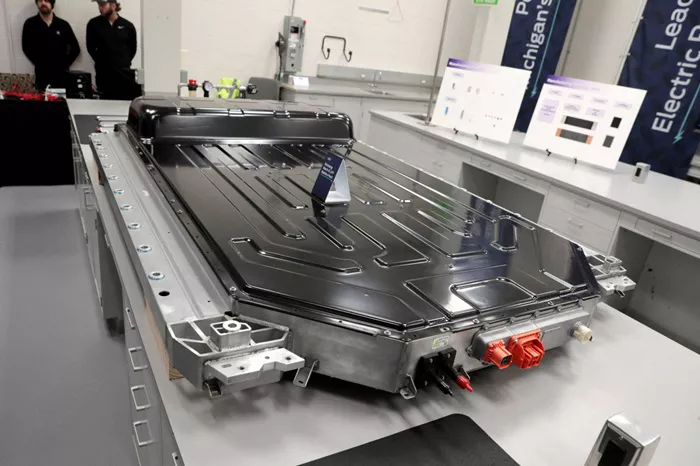
Central to BYD’s competitive edge is its proprietary hardware. Unlike many rivals that outsource battery production, BYD designs and manufactures its own battery cells, modules, and battery management systems (BMS). The “Blade Battery,” which utilizes Lithium Iron Phosphate (LFP) chemistry, has been marketed extensively for its superior thermal stability and longevity compared to traditional Nickel Manganese Cobalt (NMC) batteries. This technological confidence is the bedrock upon which their extended service programs are built.
When a manufacturer offers a decade of maintenance, they are effectively betting on the durability of the vehicle’s core components. For the consumer, this reduces the “residual value” anxiety that has historically plagued the EV market. Data from the International Energy Agency (IEA) Global EV Outlook 2024 indicates that while EV adoption is rising globally, the secondary market for electric vehicles remains volatile. By guaranteeing long-term support, BYD is attempting to stabilize the lifecycle value of its vehicles, making them more attractive to both first-time buyers and those looking to enter the used-car market.

However, the implementation of these services is not uniform across all European jurisdictions. Because BYD operates through a network of local dealers and distributors in countries like Germany, France, and Spain, the specific terms of “free maintenance” can vary based on local consumer protection laws and dealership agreements. Potential buyers are encouraged to verify the specific terms of their service contract at the point of sale, as regional regulations regarding “planned obsolescence” and consumer warranties can dictate the scope and enforceability of such offers.
What This Means for the European Consumer
The ripple effect of BYD’s aggressive service policy is already being felt by other manufacturers. In the coming months, analysts expect to see a “service war” as other EV makers—both domestic and international—re-evaluate their own after-sales offerings. This is a net positive for the European consumer, who stands to benefit from increased competition, lower maintenance costs, and a more robust support infrastructure for electric mobility.
The shift is also forcing a transformation in the role of the traditional dealership. As vehicles become more software-defined, the need for mechanical intervention is decreasing, but the need for specialized technical support is rising. BYD’s focus on integrated service suggests a future where the manufacturer, rather than the third-party garage, plays a more central role in the vehicle’s lifespan. This transition is consistent with the broader trend toward “Vehicle-as-a-Service” (VaaS) models, where the consumer pays for the utility of the vehicle rather than the hardware itself.
Key Takeaways for Prospective EV Buyers
- Verification is Vital: Always cross-reference promotional maintenance offers with the official contract provided by your local dealership, as terms can vary by country.
- Battery Longevity: Understand that BYD’s service offers are heavily predicated on the performance of their LFP Blade Battery technology.
- Market Dynamics: Be aware that the broader European EV market is currently subject to evolving trade regulations, which may impact future vehicle pricing and availability.
- Total Cost of Ownership: When comparing vehicles, weigh the value of long-term maintenance guarantees against the initial purchase price and potential tariff-related fluctuations.
As we move into the next quarter, market observers will be watching for the European Commission’s final determinations regarding the anti-subsidy investigations and how these policies will influence the long-term price floor for imported electric vehicles. For now, BYD’s move to lower the barrier to entry through service commitments represents a pivotal moment in the electrification of European roads.
We invite our readers to join the conversation. How do you view the role of extended maintenance in your decision to purchase an electric vehicle? Are you seeing similar offers in your region? Share your insights and experiences in the comments section below as we continue to track the evolution of the global EV market.
Related reading